A silent air compressor operates quietly, making it ideal for indoor use. It provides the same efficiency as traditional models without the noise.
Silent air compressors have gained popularity among DIY enthusiasts and professionals alike. Their quiet operation allows for use in sensitive environments, such as offices and homes. These compressors are designed for various applications, including inflating tires, powering pneumatic tools, and even for medical equipment.
Many models feature advanced technology that minimizes sound levels without sacrificing performance. This makes them an excellent choice for those who value peace in their workspace. Selecting the right silent air compressor can enhance productivity and comfort, ensuring you can work or relax without disruptive noise. Understanding their features helps in making an informed choice for your specific needs.
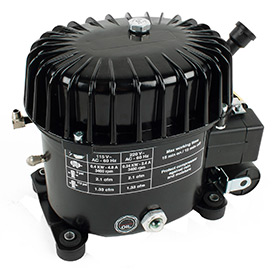
Credit: www.werther.com
The Appeal Of Silence
The silent air compressor offers a unique advantage: silence. This feature makes it ideal for various environments. Users appreciate its quiet operation. Noise pollution can disrupt focus and comfort. A silent air compressor helps create a peaceful workspace.
Benefits Of A Low-noise Environment
A low-noise environment has several benefits:
- Enhanced Concentration: Fewer distractions improve focus.
- Better Communication: Conversations can flow without interruptions.
- Healthier Atmosphere: Less noise reduces stress levels.
- Increased Productivity: Workers perform better in a quieter setting.
Silence can also foster creativity. It creates a calm space. Workers can brainstorm new ideas more freely. A peaceful atmosphere boosts morale.
The Impact On Workshop Dynamics
Silent air compressors change how workshops function:
- Team Collaboration: Teams can work closely without noise barriers.
- Flexible Hours: Workers can operate during off-hours without disturbing others.
- Safer Environment: Less noise allows for better awareness of surroundings.
- Improved Client Interactions: Clients enjoy a quieter space during visits.
In a workshop, silence encourages teamwork. Workers can hear each other clearly. This openness leads to better problem-solving. Projects finish faster in a harmonious setting.

Credit: www.compressorpros.com
Silent Air Compressor Basics
A silent air compressor is a game changer for many tasks. It operates quietly, making it ideal for home and workshop use. These compressors reduce noise pollution, allowing you to work without distractions.
Technology Behind Quiet Compressors
The technology in silent air compressors focuses on two main aspects:
- Low RPM Motors: They run at lower speeds, producing less noise.
- Soundproof Enclosures: These enclosures absorb sound waves.
Some models use oil-free pumps. These pumps require less maintenance and reduce noise levels. They provide clean air for tools.
Comparing Decibel Levels
Understanding decibel levels helps choose the right compressor. Here is a simple comparison:
| Compressor Type | Decibel Level (dB) |
|---|---|
| Traditional Air Compressor | 90 – 100 dB |
| Silent Air Compressor | 50 – 60 dB |
Lower decibel levels mean less noise. A silent air compressor operates at levels comparable to a quiet conversation.
Types Of Silent Air Compressors
Silent air compressors come in various types. Each type serves different needs. Understanding these types helps in choosing the right one.
Oil-free Versus Oil-lubricated Models
Silent air compressors can be categorized into two main types: oil-free and oil-lubricated models.
| Type | Advantages | Disadvantages |
|---|---|---|
| Oil-Free |
|
|
| Oil-Lubricated |
|
|
Portable Versus Stationary Units
Another distinction among silent air compressors is between portable and stationary units.
- Portable Units
- Lightweight and easy to move.
- Ideal for DIY projects and home use.
- Battery-operated options are available.
- Stationary Units
- Heavier and more powerful.
- Best for industrial or commercial settings.
- Requires a dedicated space for installation.
Choosing the right type depends on your specific needs. Consider factors like portability, maintenance, and air quality.
Choosing The Right Model
Selecting the perfect silent air compressor is crucial for your needs. Several factors come into play. Understanding these factors will help you make an informed decision.
Capacity And Performance Needs
Capacity and performance determine how well a compressor works. Consider these aspects:
- PSI Requirements: Check the required pressure for your tools.
- CFM Rating: Ensure the compressor meets your airflow needs.
- Duty Cycle: Know how long you will use the compressor continuously.
Here’s a quick reference table:
| Application | PSI | CFM |
|---|---|---|
| Inflating Tires | 30-50 | 1-2 |
| Nail Guns | 70-120 | 2-4 |
| Painting | 40-60 | 5-7 |
Evaluating Size And Space
Size and space affect compressor placement. Consider these points:
- Dimensions: Measure your workspace.
- Portability: Decide if you need a portable model.
- Storage: Ensure you have space to store the compressor.
Evaluate the following:
- Measure the area where you will use the compressor.
- Check the weight for easy movement.
- Look for models with compact designs if space is limited.
Choosing the right size ensures smooth operation and convenience.
Installation Tips
Proper installation of a silent air compressor ensures optimal performance. Follow these tips for a smooth setup and noise reduction.
Setting Up For Optimal Performance
Correct placement and setup are crucial. Consider the following points:
- Choose a flat, stable surface.
- Leave space around the unit for airflow.
- Ensure the unit is level to prevent vibrations.
Use the following table to guide your setup:
| Action | Purpose |
|---|---|
| Check power supply | Ensures proper voltage for performance |
| Connect air hoses | Facilitates efficient air flow |
| Install filters | Prevents dust and debris from entering |
Noise Reduction Strategies
Minimizing noise enhances user comfort. Here are effective strategies:
- Use vibration pads under the compressor.
- Install soundproofing materials in the room.
- Place the compressor in a separate room or enclosure.
Consider using the following methods:
- Choose a compressor with a low decibel rating.
- Regularly maintain the unit for efficient operation.
- Use quieter air tools to reduce overall noise.
Implement these tips for a better experience with your silent air compressor.

Credit: www.ebay.com
Maintenance For Longevity
Proper maintenance ensures your silent air compressor lasts longer. Regular check-ups help identify issues early. This keeps your compressor running smoothly. Follow these tips to maintain your compressor effectively.
Routine Check-ups
Conduct routine check-ups to ensure optimal performance. Here are key tasks to include:
- Check oil levels regularly.
- Inspect air filters for dirt.
- Examine hoses for wear and tear.
- Monitor pressure settings.
- Test safety valves.
Schedule these check-ups every month. This will help prevent major problems. Keep a log of each check-up for reference. Use the following table for a simple maintenance schedule:
| Task | Frequency | Notes |
|---|---|---|
| Check oil levels | Monthly | Use manufacturer-recommended oil. |
| Inspect air filters | Monthly | Replace if clogged. |
| Examine hoses | Monthly | Look for cracks or leaks. |
| Monitor pressure settings | Monthly | Adjust as needed. |
| Test safety valves | Every 3 months | Ensure they function correctly. |
Troubleshooting Common Issues
Identifying problems early can save you time and money. Here are common issues to watch for:
- Noisy operation: Check for loose parts.
- Low pressure: Inspect the pressure switch.
- Overheating: Ensure proper airflow.
- Frequent cycling: Adjust the pressure settings.
Use these steps for troubleshooting:
- Turn off the compressor.
- Inspect for visible issues.
- Consult the manual for guidance.
- Contact a professional if needed.
Regular maintenance and troubleshooting extend your silent air compressor’s life. Keep it in top shape with these practices.
Accessories And Add-ons
Silent air compressors offer power and quiet operation. Enhance their performance with the right accessories and add-ons. These tools improve efficiency and versatility. Explore how attachments and upgrade options can make a difference.
Enhancing With Attachments
Attachments can transform a silent air compressor. They expand its capabilities for various tasks. Here are some popular attachments:
- Air Hose: Flexible and durable hoses for easy movement.
- Quick Connect Couplers: Fast and secure connections for tools.
- Pressure Regulator: Maintain optimal pressure for different applications.
- Inline Filters: Keep air clean and free from moisture.
Using the right attachments boosts your compressor’s efficiency. Choose attachments that fit your needs. Save time and effort with compatible tools.
Upgrade Options
Upgrading your silent air compressor can enhance its performance. Here are some top options to consider:
| Upgrade Option | Benefits |
|---|---|
| Larger Tank: | Provides extended run time and reduces cycling. |
| Higher Horsepower Motor: | Increases power for demanding tasks. |
| Oil-Free Pump: | Reduces maintenance and improves air quality. |
| Variable Speed Control: | Adjusts output based on the task. |
Consider your needs before upgrading. Each option offers unique benefits. Make an informed choice for better performance.
Real-world Applications
Silent air compressors play a crucial role in various industries. They provide power without disturbing the environment. Here, we explore real-world applications through case studies and user testimonials.
Case Studies
Many businesses benefit from silent air compressors. Below are examples of industries where these compressors excel:
| Industry | Application | Benefits |
|---|---|---|
| Dental Clinics | Power dental tools | Quiet operation ensures patient comfort |
| Photography Studios | Inflate backdrops and props | Minimal noise for focused sessions |
| Manufacturing | Operate pneumatic tools | Reduces workplace noise pollution |
| Food Industry | Packaging and bottling | Maintains a calm working environment |
User Testimonials
Users praise silent air compressors for their efficiency and quiet operation. Here are some insights:
- Dr. Smith, Dentist: “The compressor is so quiet. My patients feel relaxed.”
- Emily, Photographer: “I love how it doesn’t disrupt my shoots. Perfect for my studio.”
- Mike, Factory Manager: “Our workers are happier. Noise levels dropped significantly.”
- Lisa, Food Manufacturer: “Silent operation improved our workflow. Highly recommended!”
Frequently Asked Questions
What Is A Silent Air Compressor?
A silent air compressor operates at a lower noise level than standard models. They are designed for environments where noise reduction is essential, such as workshops or home use. These compressors utilize advanced technology to minimize sound, making them suitable for indoor applications without disturbing others.
How Does A Silent Air Compressor Work?
Silent air compressors use oil-free pumps and soundproof casing to reduce noise. The motor operates quietly while generating compressed air. This design ensures efficient performance without the loud operation typical of conventional compressors. They are ideal for tasks that require both efficiency and low noise levels.
What Are The Benefits Of Silent Air Compressors?
Silent air compressors offer various benefits, including reduced noise pollution and ease of use. They are perfect for indoor applications where noise is a concern. Additionally, many models are compact and portable, making them suitable for various tasks. Their efficient operation can also save energy costs.
Are Silent Air Compressors More Expensive?
Silent air compressors can be more expensive than traditional models. The advanced technology used in their design contributes to the higher price. However, the benefits of reduced noise and efficiency often justify the cost. Investing in a silent air compressor can lead to long-term savings and improved user experience.
Conclusion
Choosing a silent air compressor can greatly enhance your workspace. These machines offer efficiency without the noise. They are perfect for home use or professional settings. Investing in a quiet model ensures comfort and productivity. Embrace the benefits of silent operation and transform your projects today for better results.