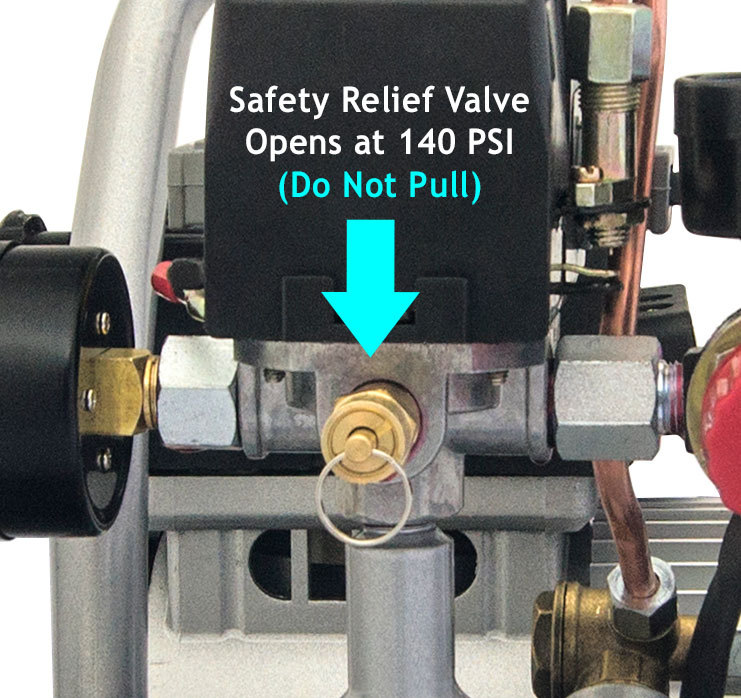
An air compressor relief valve prevents excessive pressure buildup in the system. It automatically releases air when pressure exceeds a safe limit.
Air compressors are essential tools in various industries, powering everything from pneumatic tools to HVAC systems. Safety is paramount in their operation, making components like the relief valve crucial. This valve acts as a safety mechanism, ensuring that pressure levels remain within safe limits.
By releasing excess air, it prevents potential damage to the compressor and connected equipment. Understanding how this valve functions can help users maintain optimal performance and safety. Regular checks and maintenance of the relief valve are vital to ensure it operates effectively, safeguarding both users and machinery in high-pressure environments.
Credit: www.californiaairtools.com
The Role Of Relief Valves In Air Compressors
Relief valves are crucial in air compressors. They prevent dangerous pressure build-up. Understanding their function helps maintain safety and efficiency. Let’s explore their key roles.
Preventing Overpressure Situations
Overpressure situations can damage compressors. Relief valves help avoid this risk. They release excess pressure automatically. Here are some important points:
- Protect equipment from failure
- Ensure safe operation
- Extend lifespan of the compressor
Relief valves activate when pressure exceeds safe limits. This action keeps systems running smoothly. They are essential for user safety.
Maintaining System Integrity
System integrity is vital for air compressors. Relief valves play a key role here. They help maintain consistent pressure levels. Look at these benefits:
| Benefit | Description |
|---|---|
| Prevents leaks | Maintains pressure and reduces risk of leaks. |
| Reduces wear | Minimizes stress on components. |
| Improves efficiency | Consistent pressure enhances performance. |
Maintaining system integrity ensures longevity. Relief valves are essential for safe and efficient operation.
Types Of Relief Valves
Relief valves are essential for safe air compressor operation. They help control pressure levels. Different types serve specific needs. Below are two main types of relief valves: spring-loaded and pilot-operated.
Spring-loaded Valves
Spring-loaded valves are the most common type. They use a spring mechanism to control pressure. Here are some key features:
- Simple Design: Easy to install and maintain.
- Cost-Effective: Generally less expensive than other options.
- Quick Response: Reacts quickly to pressure changes.
These valves have a set pressure. When pressure exceeds this limit, the valve opens. This prevents damage to the compressor.
Pilot-operated Valves
Pilot-operated valves offer advanced control. They work with a pilot signal to manage pressure. Here are some advantages:
- High Capacity: Handles larger flow rates.
- Precision: Maintains stable pressure more effectively.
- Durability: Typically lasts longer than spring-loaded valves.
These valves are ideal for complex systems. They are often used in industrial applications. Understanding both types can help in choosing the right one.
Design And Operation
The air compressor relief valve plays a crucial role in maintaining safety. It helps prevent over-pressurization in the system. Understanding its design and operation is essential for efficiency and safety.
Valve Components
The air compressor relief valve consists of several key components:
- Body: The main structure holds all parts together.
- Spring: Controls the pressure level for release.
- Seat: Provides a sealing surface for the valve.
- Diaphragm: Helps in sensing pressure changes.
- Adjustment Screw: Allows for pressure settings.
Here’s a simple table summarizing the components:
| Component | Function |
|---|---|
| Body | Holds all parts together |
| Spring | Controls pressure release |
| Seat | Seals to prevent leakage |
| Diaphragm | Senses pressure changes |
| Adjustment Screw | Sets desired pressure level |
Release Mechanisms
The release mechanism is vital for the valve’s operation. It activates when pressure exceeds a safe limit. There are two main types of release mechanisms:
- Spring-Loaded: This type uses a spring to hold the valve closed. When pressure rises, the spring compresses, allowing air to escape.
- Pneumatic: This type uses air pressure to control the valve. It opens when the set pressure is reached, releasing excess air.
Both mechanisms ensure that the air compressor operates safely. Regular maintenance keeps them functioning properly.
Setting And Calibration
Setting and calibration of an air compressor relief valve are crucial for safety and efficiency. Proper settings ensure the valve opens at the right pressure. This prevents potential damage and ensures smooth operation.
Determining Correct Pressure Settings
Finding the correct pressure setting is essential. Follow these steps:
- Check Manufacturer’s Guidelines: Always refer to the manual.
- Identify Your Needs: Consider the tools and tasks.
- Use a Pressure Gauge: Measure the current pressure accurately.
Correct settings vary by application. Here’s a quick guide:
| Application | Recommended Pressure (PSI) |
|---|---|
| Inflating Tires | 30 – 35 |
| Pneumatic Tools | 90 – 120 |
| Spray Painting | 25 – 30 |
Calibration Procedures
Calibrating the relief valve ensures it functions correctly. Follow these procedures:
- Turn Off the Compressor: Ensure safety before starting.
- Locate the Adjustment Screw: This is usually on the valve.
- Use a Pressure Gauge: Connect it to the outlet.
- Adjust the Screw: Turn it to set the desired pressure.
- Test the Valve: Restart and check the pressure.
Repeat the testing process until the valve opens at the correct pressure.
Installation Guidelines
Installing an air compressor relief valve correctly is crucial for safety and efficiency. Follow these guidelines for a successful installation. Proper placement and steps ensure optimal performance.
Choosing The Right Location
Selecting the right location for the relief valve is important. Here are key factors to consider:
- Accessibility: Choose a spot that is easy to reach.
- Ventilation: Ensure good airflow around the valve.
- Height: Install at eye level for easy monitoring.
- Close to the Compressor: Keep it near the compressor outlet.
These factors will help maintain the valve’s performance and safety.
Step-by-step Installation Process
Follow these steps for a successful installation:
- Gather Tools: You will need a wrench, Teflon tape, and a screwdriver.
- Turn Off Power: Always disconnect the power source before starting.
- Prepare the Valve: Wrap Teflon tape around the threads of the valve.
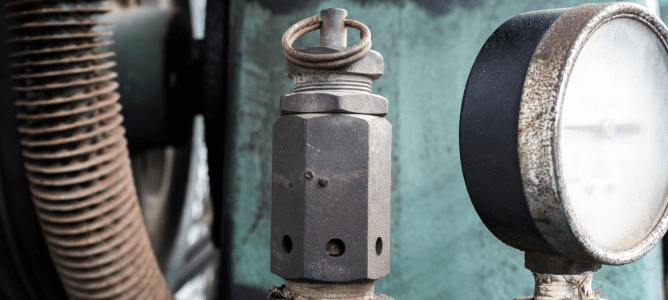
- Attach the Valve: Screw the valve onto the compressor outlet securely.
- Check Alignment: Ensure the valve points in the right direction.
- Tighten Connections: Use a wrench to tighten, but avoid over-tightening.
- Reconnect Power: Restore power to the compressor.
- Test the Valve: Start the compressor and check for leaks.
Following these steps will ensure your relief valve is installed correctly. Proper installation enhances safety and compressor efficiency.
Credit: nigen.com
Testing And Maintenance
Keeping your air compressor’s relief valve in top shape is crucial. Regular testing and maintenance ensure safety and efficiency. Follow these guidelines for reliable performance.
Routine Testing For Reliability
Testing the relief valve should be part of your regular maintenance plan. Here are simple steps for routine testing:
- Schedule Regular Intervals: Test every month.
- Visual Inspection: Check for signs of wear or damage.
- Pressure Testing: Use a pressure gauge to ensure it opens at the correct pressure.
- Function Test: Manually activate the valve to ensure it operates smoothly.
Make a checklist for each test. Keep records to track performance over time.
Maintenance Best Practices
Proper maintenance extends the life of your relief valve. Follow these best practices:
- Clean Regularly: Remove dirt and debris to prevent blockage.
- Check Seals: Ensure seals are intact to avoid leaks.
- Lubricate Parts: Use appropriate lubricant on moving parts.
- Replace Worn Parts: Change any damaged or old components immediately.
| Maintenance Task | Frequency |
|---|---|
| Visual Inspection | Monthly |
| Pressure Testing | Quarterly |
| Cleaning | Monthly |
| Lubrication | Biannually |
Following these steps keeps your relief valve functioning well. Regular maintenance ensures safety and reliability in your air compressor system.
Common Issues And Troubleshooting
Air compressor relief valves are crucial for safe operation. They prevent excess pressure from building up. Understanding common issues helps maintain efficiency and safety.
Leakage Problems
Leakage can occur in various ways. Here are common types:
- Air Leakage: Air escapes around the valve.
- Fluid Leakage: Oil or lubricant leaks from the valve.
To identify leakage:
- Listen for hissing sounds.
- Check for visible oil spots.
- Inspect connections for loose fittings.
Fixing leakage involves:
- Tightening loose connections.
- Replacing worn gaskets.
- Cleaning dirt around the valve.
Valve Failure Symptoms
Recognizing valve failure is vital. Common symptoms include:
| Symptom | Description |
|---|---|
| Constant Air Release | Air continuously escapes from the valve. |
| Pressure Fluctuations | Pressure readings vary unexpectedly. |
| Unusual Noises | Strange sounds come from the compressor. |
To troubleshoot valve failure:
- Inspect the valve for damage.
- Check the spring for wear.
- Test the valve operation.
Replace the valve if necessary. Regular maintenance prevents these issues.
Regulations And Standards
Air compressors must follow strict regulations and standards. These rules ensure safety and reliability. Relief valves are critical components in this equipment. They prevent dangerous pressure build-up.
Industry Safety Standards
Different organizations set safety standards for air compressors. The most notable include:
- OSHA (Occupational Safety and Health Administration)
- ANSI (American National Standards Institute)
- ASME (American Society of Mechanical Engineers)
These organizations publish guidelines for equipment design. They focus on:
- Pressure limits
- Material selection
- Testing methods
Compliance And Certification
To ensure safety, air compressor manufacturers must obtain certifications. Common certifications include:
| Certification | Issuing Organization |
|---|---|
| ISO 9001 | International Organization for Standardization |
| CE Marking | European Conformity |
| UL Listing | Underwriters Laboratories |
These certifications ensure that products meet safety and quality standards. Compliance helps prevent accidents and injuries.
Credit: www.reddit.com
Frequently Asked Questions
What Is An Air Compressor Relief Valve?
An air compressor relief valve is a safety device. It prevents excessive pressure buildup in the compressor tank. When the pressure exceeds a set limit, the valve opens, releasing air. This helps protect the compressor and connected equipment from damage.
How Does A Relief Valve Work?
A relief valve functions by monitoring the pressure within the air compressor. It has a spring-loaded mechanism that opens when pressure exceeds a predetermined level. This allows excess air to escape, maintaining safe operating conditions. Once pressure drops, the valve closes automatically.
Why Is A Relief Valve Important?
A relief valve is crucial for safety and equipment longevity. It prevents over-pressurization, which can cause equipment failure or accidents. By regulating pressure, it also ensures optimal compressor performance. Regular maintenance of the relief valve is essential for reliable operation.
How To Test An Air Compressor Relief Valve?
To test a relief valve, start the compressor and allow it to build pressure. Observe the pressure gauge and listen for the valve to release air. If the valve opens at the correct pressure, it’s functioning properly. If not, consider replacing it for safety.
Conclusion
Understanding the role of the air compressor relief valve is crucial for optimal performance. Regular maintenance ensures safety and efficiency in your operations. A well-functioning relief valve prevents potential damage and enhances longevity. Invest time in checking this component to avoid costly repairs and ensure smooth operation.
Make informed choices for better results.