A general air compressor is a versatile machine that converts power into potential energy stored in compressed air. It is widely used in various applications, including construction, automotive, and manufacturing.
Air compressors play a crucial role in many industries by providing a reliable source of compressed air. They power tools, inflate tires, and assist in painting and cleaning tasks. Understanding the different types of compressors can help you choose the right one for your needs.
Options range from portable models for DIY projects to large stationary compressors for industrial use. Each type offers unique benefits, enhancing productivity and efficiency. Investing in the right air compressor can significantly streamline operations and save time and resources in various applications. Knowing your requirements will guide you to the perfect choice.
Introduction To Air Compressors
Air compressors are essential machines in many industries. They convert power into potential energy. This energy is stored in pressurized air. Air compressors play a crucial role in daily operations.
The Role In Modern Industry
Air compressors have a wide range of applications. They power tools, inflate tires, and much more. Below are some key roles they play:
- Manufacturing: Used for pneumatic tools and machinery.
- Construction: Operate heavy equipment like jackhammers.
- Aerospace: Test and assemble aircraft components.
- Automotive: Paint spraying and tire inflation.
Types And Uses
Different types of air compressors serve various purposes. Here’s a brief overview:
| Type | Description | Common Uses |
|---|---|---|
| Reciprocating Compressors | Use pistons to compress air. | Pneumatic tools, automotive service. |
| Rotary Screw Compressors | Use rotating screws for continuous air flow. | Industrial applications, large-scale operations. |
| Centrifugal Compressors | Use high-speed rotating blades. | Power generation, large HVAC systems. |
Understanding these types helps in choosing the right compressor. Each type has unique benefits and applications.
Key Components And Their Functions
Understanding the key components of a General Air Compressor is essential. Each part plays a vital role in its operation. Knowing these components helps in choosing the right compressor for your needs.
Compressor Mechanism Basics
The compressor mechanism is the heart of the air compressor. It compresses air and delivers it at high pressure. Key components include:
- Piston: Moves up and down to compress air.
- Crankshaft: Converts rotary motion into linear motion.
- Connecting Rod: Links the piston and crankshaft.
These parts work together to create compressed air. The efficiency of these components affects overall performance.
Supporting System Elements
Supporting systems ensure the compressor runs smoothly. They enhance functionality and safety. Important elements include:
- Air Intake Filter: Cleans air entering the compressor.
- Cooling System: Prevents overheating during operation.
- Pressure Switch: Regulates pressure levels.
These components protect the compressor and extend its lifespan. Regular maintenance of these parts keeps the compressor in top shape.
| Component | Function |
|---|---|
| Piston | Compresses air |
| Crankshaft | Converts motion |
| Connecting Rod | Links parts |
| Air Intake Filter | Filters air |
| Cooling System | Prevents overheating |
| Pressure Switch | Regulates pressure |
Selecting The Right Air Compressor
Choosing the perfect air compressor can feel overwhelming. Different tasks require different types of compressors. Knowing your specific needs helps in making the right choice.
Assessing Your Needs
Begin by understanding what tasks you will perform. Consider these factors:
- Type of Work: Will you use it for painting, powering tools, or inflating?
- Airflow Requirement: Measure the required CFM (Cubic Feet per Minute).
- Pressure Needs: Determine the PSI (Pounds per Square Inch) needed.
- Portability: Do you need a stationary or portable compressor?
- Budget: Set a budget that fits your financial situation.
Write down your needs to simplify the selection process.
Comparing Models And Features
Research various models to find the best fit. Compare features to identify what suits your needs:
| Feature | Model A | Model B | Model C |
|---|---|---|---|
| CFM | 4.5 | 6.0 | 5.5 |
| PSI | 90 | 120 | 100 |
| Weight | 50 lbs | 70 lbs | 60 lbs |
| Price | $200 | $300 | $250 |
Consider these features:
- Noise Level: Look for quieter options if noise bothers you.
- Tank Size: Larger tanks hold more air for longer use.
- Durability: Check for strong materials that last.
- Warranty: Ensure a good warranty for peace of mind.
Use this information to make an informed decision.

Credit: foxvalleyfire.com
Maximizing Efficiency
Maximizing efficiency in your General Air Compressor boosts performance and saves energy. Efficient compressors run longer and require less maintenance. Follow the best practices to achieve optimal results.
Optimal Operating Practices
Operating your air compressor correctly enhances its lifespan and efficiency. Here are some key practices:
- Correct Pressure Settings: Use the right pressure for your tasks.
- Load Management: Avoid running the compressor at full load constantly.
- Air Quality: Ensure clean air supply to prevent damage.
- Temperature Control: Keep the compressor cool to avoid overheating.
Implement these practices for better performance. Regular checks help identify issues early.
Regular Maintenance Schedule
Establishing a regular maintenance schedule keeps your air compressor efficient. Here are some maintenance tasks:
| Task | Frequency | Purpose |
|---|---|---|
| Check Oil Levels | Weekly | Prevents engine damage |
| Change Oil | Every 500 hours | Ensures smooth operation |
| Inspect Filters | Monthly | Maintains air quality |
| Clean Condenser Coils | Quarterly | Improves cooling efficiency |
Follow this schedule for optimal performance. Regular maintenance prevents costly repairs.
Energy-saving Tips
Saving energy with your general air compressor can reduce costs. Follow these tips to maximize efficiency and minimize waste.
Upgrading Equipment
Old equipment often consumes more energy. Upgrading to newer models can lead to significant savings. Here are some points to consider:
- Higher Efficiency: New compressors are designed for better performance.
- Less Maintenance: Modern systems require fewer repairs and downtime.
- Energy Star Ratings: Look for units with high energy ratings.
Investing in energy-efficient models pays off in the long run. Consider these options:
| Model | Energy Rating | Approximate Savings |
|---|---|---|
| Model A | 95% | $300/year |
| Model B | 90% | $250/year |
| Model C | 85% | $200/year |
Smart Control Systems
Implementing smart control systems greatly improves energy efficiency. These systems optimize compressor operation. Benefits include:
- Real-Time Monitoring: Track energy use and performance.
- Automatic Adjustments: Systems adjust based on demand.
- Data Analytics: Analyze trends to find savings opportunities.
Consider these smart features:
- Variable speed drives
- Remote monitoring capabilities
- Scheduled run times
Smart control systems help you use energy more wisely. They cut down operational costs.
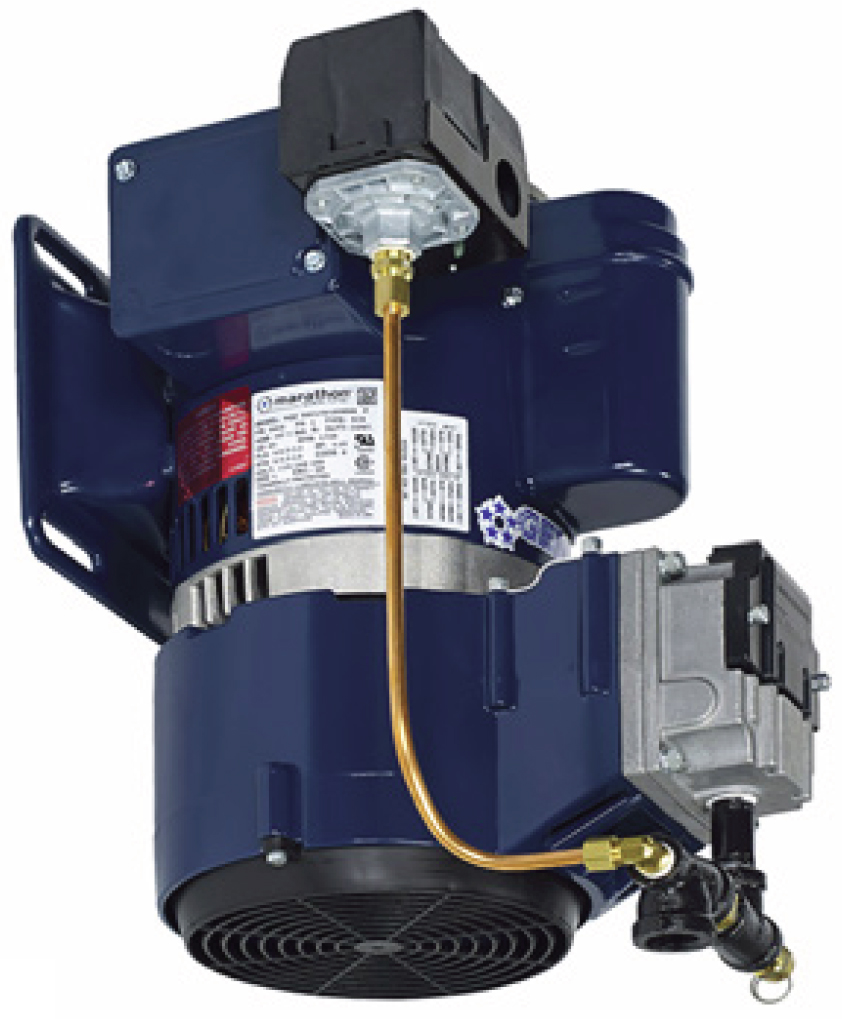
Credit: foxvalleyfire.com
Troubleshooting Common Issues
General air compressors are essential tools for many tasks. They can face issues that affect performance. Knowing how to troubleshoot can save time and money. Here, we will explore common problems and solutions.
Diagnosing Problems
Identifying issues is the first step. Use the following checklist to diagnose problems:
- Compressor won’t start
- Unusual noises
- Pressure loss
- Oil leaks
For each problem, observe the symptoms:
| Problem | Possible Symptoms |
|---|---|
| Compressor won’t start | Power light off, no noise |
| Unusual noises | Grinding, rattling sounds |
| Pressure loss | Low output pressure |
| Oil leaks | Oil spots under the unit |
Effective Solutions
Once you identify the issue, apply these solutions:
- Compressor won’t start: Check power source and reset the circuit.
- Unusual noises: Tighten loose parts and check for debris.
- Pressure loss: Inspect hoses and connections for leaks.
- Oil leaks: Replace damaged seals and check oil levels.
Using these steps can restore your air compressor’s performance. Regular maintenance prevents many common issues. Always refer to the user manual for specific troubleshooting tips.
Future Of Air Compressors
The future of air compressors is bright and innovative. Technology is evolving fast. Sustainable practices are becoming essential. These changes promise efficiency and eco-friendliness.
Technological Advancements
New technologies are reshaping air compressors. Here are some key advancements:
- Smart Technology: IoT integration allows remote monitoring.
- Variable Speed Drives: Enhance efficiency and reduce energy costs.
- Noise Reduction: Improved designs make compressors quieter.
- Advanced Materials: Lightweight and durable components increase lifespan.
These advancements lead to better performance. Users can expect:
- Higher efficiency rates.
- Lower maintenance costs.
- Improved safety features.
- Enhanced user experience.
Sustainable Practices
Sustainability is crucial for the future of air compressors. Manufacturers are focusing on eco-friendly methods. Here are some practices being adopted:
- Energy Efficiency: New models consume less power.
- Recyclable Materials: Components are made from sustainable resources.
- Waste Reduction: Improved production processes minimize waste.
Benefits of these practices include:
| Benefit | Description |
|---|---|
| Lower Carbon Footprint | Reduced emissions contribute to a healthier planet. |
| Cost Savings | Less energy use leads to lower bills. |
| Regulatory Compliance | Meeting environmental standards becomes easier. |
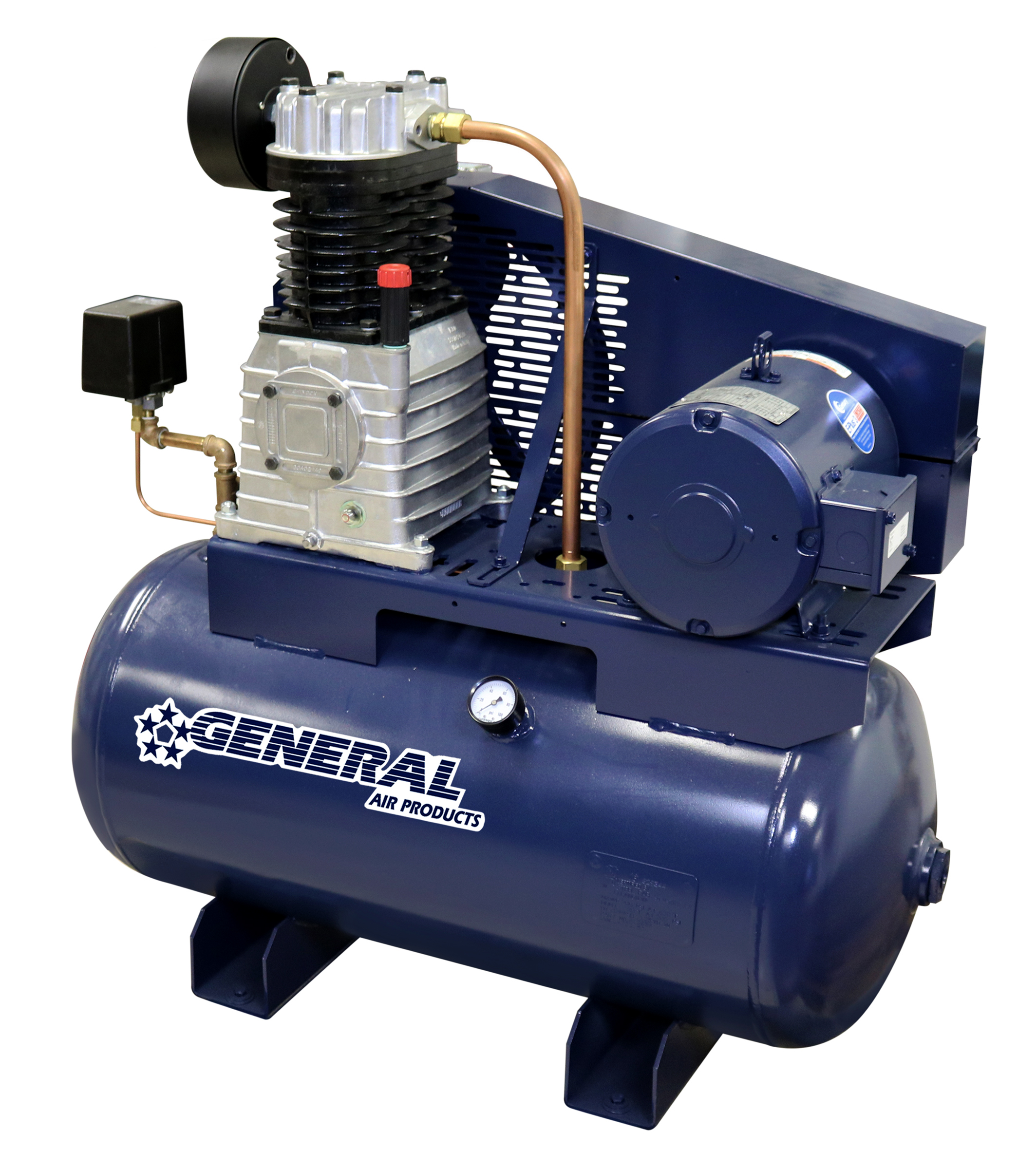
Credit: www.generalairproducts.com
Frequently Asked Questions
What Is A General Air Compressor Used For?
A general air compressor is primarily used to power pneumatic tools. It compresses air to store energy and release it as needed. Common applications include inflating tires, operating spray guns, and powering air tools. This versatility makes it a valuable addition to workshops and construction sites.
How Do I Maintain My Air Compressor?
To maintain your air compressor, regularly check the oil levels and change the oil as needed. Clean or replace the air filter periodically to ensure optimal performance. Additionally, drain the moisture from the tank to prevent rust. Regular inspections can extend the compressor’s lifespan and efficiency.
What Size Air Compressor Do I Need?
The size of the air compressor you need depends on the tools you plan to use. For light tasks, a smaller unit may suffice. For heavy-duty applications, consider a larger compressor with higher CFM ratings. Always match the compressor’s specifications to your equipment requirements for optimal performance.
How Loud Is A General Air Compressor?
The noise level of a general air compressor varies by model. Most compressors range from 70 to 90 decibels. However, quieter models are available for residential use. If noise is a concern, consider investing in soundproofing or a quieter compressor to minimize disruption during operation.
Conclusion
Choosing the right general air compressor can significantly enhance your efficiency. Consider your specific needs and usage frequency. Quality, durability, and maintenance are crucial factors. Investing in a reliable air compressor will save you time and money in the long run.
Make an informed choice for optimal performance and satisfaction.