A big air compressor is a powerful machine designed to store and deliver compressed air for various applications. It’s ideal for heavy-duty tasks, such as powering pneumatic tools and inflating large tires.
Big air compressors play a crucial role in industries like construction, automotive, and manufacturing. They provide the necessary air pressure to operate tools effectively and efficiently. These machines come in various sizes and capacities, catering to different needs. Understanding your specific requirements is essential when choosing a compressor.
Key factors include tank size, horsepower, and intended use. By selecting the right big air compressor, you can enhance productivity and ensure optimal performance in your projects. Investing in quality equipment ultimately leads to better results and increased efficiency in your operations.
Introduction To Big Air Compressors
Big air compressors are vital in many industries. They supply compressed air for various tasks. From powering tools to inflating tires, their versatility shines. Understanding their role helps in choosing the right one for your needs.
Essential Tool For Large-scale Operations
Big air compressors serve as essential tools in large-scale operations. They provide reliable power for heavy-duty tasks. Here are some key applications:
- Construction sites
- Manufacturing plants
- Automotive workshops
- HVAC services
These compressors can handle multiple tools at once. They ensure that projects run smoothly and efficiently. Their robust design allows for high performance over extended periods.
Impact On Project Efficiency
Big air compressors significantly boost project efficiency. They reduce downtime caused by air pressure issues. Here are some benefits:
- Consistent air supply for tools
- Faster completion of tasks
- Less manual labor needed
- Improved safety on job sites
Using a big air compressor can enhance productivity. It allows workers to focus on their tasks. This leads to better results in less time.
| Feature | Benefit |
|---|---|
| High Capacity | Supports multiple tools simultaneously |
| Durable Design | Long-lasting performance |
| Easy Mobility | Can be moved around job sites easily |
Understanding these impacts helps maximize efficiency. Choosing the right big air compressor can transform operations.
Key Features Of High-capacity Compressors
High-capacity air compressors are essential for heavy-duty tasks. They provide powerful performance and reliability. Understanding their key features helps you choose the right one.
Pressure And Volume Output
Pressure and volume are crucial for air compressors. They determine how effectively a compressor can perform tasks.
| Feature | Description |
|---|---|
| Pressure Rating | Measured in PSI (Pounds per Square Inch). Higher PSI means more power. |
| CFM (Cubic Feet per Minute) | Indicates air volume output. More CFM means faster work. |
- High PSI: Ideal for heavy tools.
- High CFM: Great for multiple tools.
- Adjustable Pressure: Flexible for various tasks.
Power Source Variations
Power source plays a key role in compressor performance. Different options suit various needs.
- Electric Compressors: Quiet and efficient. Best for indoor use.
- Gas Compressors: Portable and powerful. Ideal for outdoor jobs.
- Dual-Power Compressors: Versatile. Can use both gas and electric.
Choosing the right power source enhances performance. Each option has its unique advantages.
Types Of Big Air Compressors
Choosing the right type of big air compressor is crucial. Each type serves different needs. Below are the main types of big air compressors.
Reciprocating Compressors
Reciprocating compressors are also known as piston compressors. They use a piston to compress air. These compressors are common in many industries.
- Advantages:
- High efficiency
- Cost-effective
- Versatile for various applications
- Disadvantages:
- Higher noise levels
- Requires more maintenance
Rotary Screw Compressors
Rotary screw compressors use two rotating screws. They create a continuous flow of compressed air. These are ideal for large operations.
- Advantages:
- Low noise operation
- Less maintenance required
- Continuous air supply
- Disadvantages:
- Higher initial cost
- Complex design
Centrifugal Compressors
Centrifugal compressors use rotating blades. They accelerate air and increase its pressure. These are best for large volume requirements.
| Feature | Reciprocating | Rotary Screw | Centrifugal |
|---|---|---|---|
| Efficiency | High | Moderate | Very High |
| Cost | Low | High | Very High |
| Maintenance | High | Low | Moderate |
Understanding these types helps in making informed choices. Each type has unique features and benefits.
Selecting The Right Compressor For Your Project
Choosing the right big air compressor is crucial for your project. It impacts efficiency and results. Understanding your needs helps in making the right choice.
Assessing Project Requirements
Start by identifying the specific requirements of your project. Consider the following factors:
- Type of Tools: What tools will you use? Air tools require different power levels.
- Pressure Needs: Determine the PSI needed for your tools.
- Volume Requirements: Assess the CFM (Cubic Feet per Minute) needed.
Here’s a simple table to help you:
| Tool Type | Required PSI | Required CFM |
|---|---|---|
| Nail Gun | 70-100 | 2-4 |
| Impact Wrench | 90-120 | 4-7 |
| Spray Gun | 30-60 | 10-15 |
Understanding Duty Cycle
The duty cycle indicates how long a compressor can run. It is expressed as a percentage. For example, a 50% duty cycle means it runs for 5 minutes and rests for 5 minutes.
Choose a compressor with the right duty cycle for your project:
- Continuous Use: Look for a high duty cycle (80-100%).
- Intermittent Use: A lower duty cycle (50-70%) may suffice.
Understanding these factors simplifies your decision. Select the right compressor to ensure project success.
Installation Best Practices
Installing a Big Air Compressor requires careful planning. Proper installation ensures efficiency and safety. Follow these best practices for optimal results.
Site Preparation
Preparing the site is crucial for the compressor’s performance. Follow these steps:
- Choose a flat, stable surface.
- Ensure good ventilation to prevent overheating.
- Keep the area free from dust and debris.
- Provide easy access for maintenance and repairs.
Consider the following table for spacing requirements:
| Component | Recommended Clearance |
|---|---|
| Front | 3 feet |
| Back | 2 feet |
| Sides | 1 foot |
Safety Protocols
Safety is paramount during installation. Follow these protocols:
- Wear appropriate personal protective equipment (PPE).
- Disconnect power before starting installation.
- Inspect all components for damage.
- Use proper lifting techniques for heavy parts.
Consider these safety tips:
- Keep a fire extinguisher nearby.
- Ensure emergency exits are clear.
- Train all personnel on proper procedures.
Following these best practices will help ensure a successful installation. A well-installed Big Air Compressor will perform effectively and last longer.

Credit: www.midwestair-compressor.com
Operational Tips For Maximum Efficiency
Maximize the performance of your Big Air Compressor with simple operational tips. These practices ensure consistent output and longevity. Follow the tips below to keep your compressor running smoothly.
Regular Maintenance Routines
Maintaining your Big Air Compressor is crucial for efficiency. Here are key maintenance tasks:
- Check Oil Levels: Ensure oil is at the right level.
- Change Oil Regularly: Replace oil as recommended by the manufacturer.
- Inspect Filters: Clean or replace air filters monthly.
- Drain Moisture: Release moisture from the tank daily.
- Examine Hoses: Check hoses for wear or damage.
Schedule maintenance every 100 hours of operation. Create a checklist to track tasks easily.
Optimizing Air Delivery
Efficient air delivery improves performance. Follow these tips:
- Use Proper Hose Size: Select hoses that match the compressor’s output.
- Avoid Long Runs: Keep hose lengths short to reduce pressure loss.
- Check Connections: Ensure all fittings are tight and leak-free.
- Adjust Regulator: Set the pressure according to your tool’s needs.
- Monitor Gauge: Keep an eye on the pressure gauge for optimal performance.
Consider using a filter-regulator-lubricator (FRL) unit. This device helps maintain clean air and regulates pressure.
| Task | Frequency |
|---|---|
| Oil Change | Every 500 hours |
| Filter Clean/Replace | Monthly |
| Moisture Drain | Daily |
Troubleshooting Common Issues
Big air compressors are powerful tools. They can face various issues. Knowing how to troubleshoot can save time and money. Here are some common problems and solutions.
Dealing With Overheating
Overheating can damage your air compressor. It often happens due to:
- Blocked air filters
- Low oil levels
- Overuse without breaks
To fix overheating:
- Check and clean air filters.
- Inspect oil levels and top up if needed.
- Allow the compressor to cool down periodically.
Use a thermometer to monitor the temperature. Aim for a safe operating range.
Managing Leaks And Pressure Drops
Leaks and pressure drops can reduce efficiency. Common causes include:
- Punctured hoses
- Loose fittings
- Worn-out seals
Follow these steps to manage leaks:
- Inspect hoses for damage.
- Tighten any loose fittings.
- Replace worn seals immediately.
Use soapy water to find leaks. Apply it to connections. Bubbles will show you where the air escapes.
| Issue | Common Causes | Solutions |
|---|---|---|
| Overheating | Blocked filters, low oil, overuse | Clean filters, check oil, allow cooling |
| Leaks | Punctured hoses, loose fittings, worn seals | Inspect hoses, tighten fittings, replace seals |
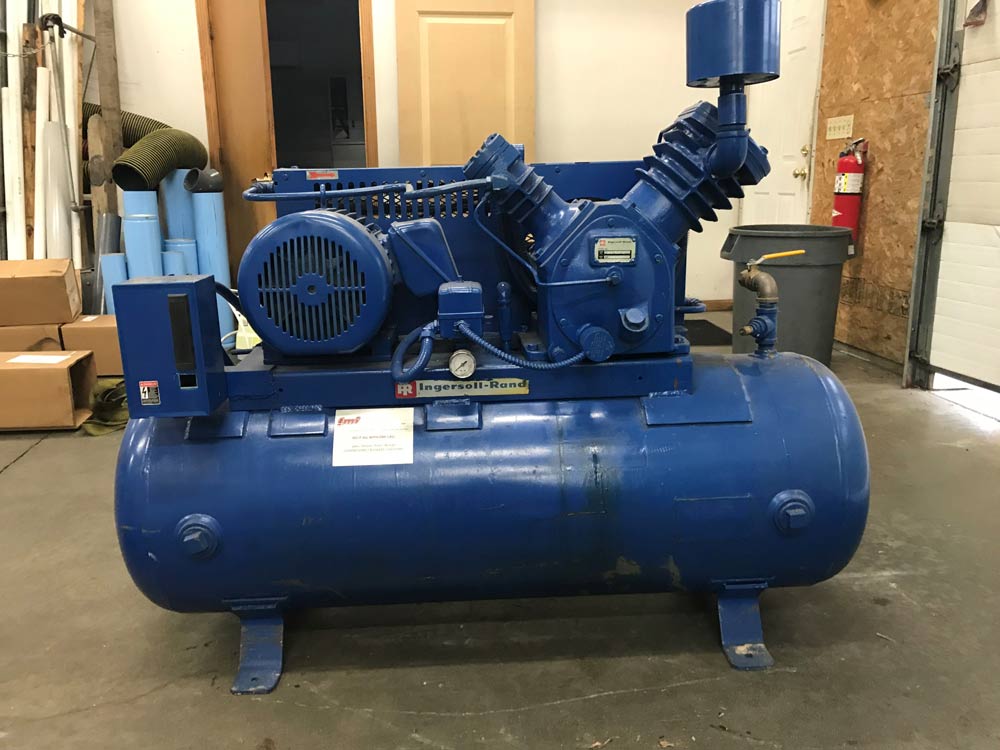
Credit: tmicompressors.com
Future Of Big Air Compressors
The future of big air compressors looks bright and innovative. New technologies will change how these machines operate. Companies will focus on efficiency and sustainability. Users can expect smarter, greener options in the coming years.
Technological Advancements
Big air compressors are evolving rapidly. Here are key advancements:
- Smart Sensors: These sensors monitor performance and efficiency.
- IoT Integration: Remote access allows real-time monitoring.
- Variable Speed Drives: Adjust power usage according to demand.
- Noise Reduction Technology: Quieter operation improves work environments.
These innovations lead to:
| Advancement | Benefits |
|---|---|
| Smart Sensors | Improved diagnostics and reduced downtime. |
| IoT Integration | Enhanced control and data collection. |
| Variable Speed Drives | Lower energy costs and increased lifespan. |
| Noise Reduction | Better working conditions and compliance with regulations. |
Sustainable Practices
Environmental concerns shape the future of big air compressors. Companies adopt sustainable practices:
- Energy Efficiency: New models consume less power.
- Recyclable Materials: More components will be recyclable.
- Reduced Emissions: Eco-friendly options will minimize pollution.
- Regular Maintenance: Ensures longer life and less waste.
These practices help businesses:
- Save money on energy bills.
- Improve public image.
- Comply with regulations.
- Reduce their carbon footprint.
Case Studies: Big Air Compressors In Action
Big air compressors play a vital role in various industries. Their power and efficiency drive productivity. Let’s explore real-world examples of how they excel in different sectors.
Construction Industry Applications
Big air compressors are essential on construction sites. They provide compressed air for tools and equipment. Here are some key applications:
- Operating pneumatic drills
- Powering nail guns
- Blasting surfaces with sand or shot
One notable case study involved a large urban construction project. The team used a big air compressor to:
- Enhance productivity of workers.
- Complete tasks faster.
- Reduce downtime between operations.
The result? The project finished two weeks ahead of schedule. This saved costs and increased client satisfaction.
Manufacturing Sector Success Stories
In manufacturing, big air compressors drive efficiency. They support various processes like:
- Assembly lines
- Painting and coating
- Packaging and labeling
A notable success story is a factory that upgraded its air compressor system. They replaced outdated units with modern big air compressors. The benefits included:
| Benefit | Before Upgrade | After Upgrade |
|---|---|---|
| Energy Efficiency | 70% efficiency | 90% efficiency |
| Production Speed | 100 units/hour | 150 units/hour |
| Maintenance Costs | $5,000/year | $1,500/year |
The factory saw a significant drop in costs. They also improved production speed. Big air compressors transformed their operations.
Final Thoughts
Choosing the right big air compressor can change your work experience. It improves efficiency and reduces downtime. Investing in quality equipment pays off in many ways.
Investing In Quality Equipment
Quality equipment lasts longer and performs better. Here are key points to consider:
- Durability: High-quality compressors withstand heavy use.
- Performance: Reliable compressors provide consistent air pressure.
- Safety: Top brands prioritize safety features.
- Warranty: Quality products often come with extended warranties.
These aspects ensure that your investment remains valuable over time. It reduces the need for frequent replacements. Quality equipment leads to fewer repairs and maintenance costs.
Long-term Benefits
Investing in a big air compressor brings several long-term advantages:
| Benefit | Description |
|---|---|
| Cost Savings | Lower operational costs save money in the long run. |
| Increased Productivity | Faster tasks lead to more completed projects. |
| Better Results | High-quality air leads to superior finishes. |
| Enhanced Reputation | Consistent work quality builds customer trust. |
Each benefit contributes to a more productive work environment. Investing wisely today can lead to significant rewards tomorrow.
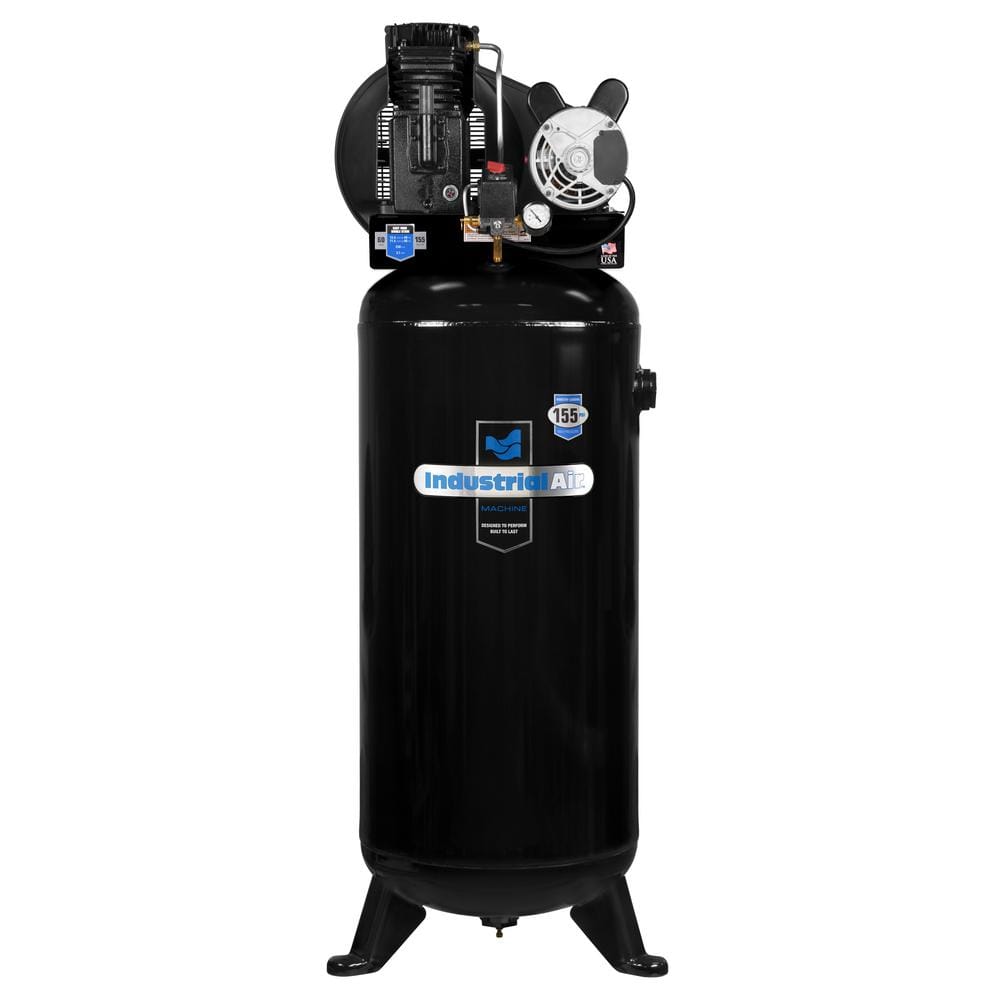
Credit: www.homedepot.com
Frequently Asked Questions
What Is A Big Air Compressor Used For?
A big air compressor is used for powering heavy-duty tools and equipment. It’s ideal for construction, automotive work, and manufacturing. These compressors provide high airflow and pressure, making them essential for tasks like spray painting, sandblasting, and powering pneumatic tools efficiently.
How Do I Choose The Right Big Air Compressor?
To choose the right big air compressor, consider your specific needs. Assess the tools you’ll use, their air consumption, and the required pressure. Also, check the compressor’s tank size and horsepower. This ensures you select a model that meets your performance and efficiency requirements.
What Are The Benefits Of Using A Big Air Compressor?
Using a big air compressor offers numerous benefits, such as increased efficiency and versatility. They can power multiple tools simultaneously, saving time. Additionally, they provide consistent air pressure, improving the quality of your work. This makes them invaluable for professionals and serious DIY enthusiasts alike.
How Often Should I Service My Big Air Compressor?
You should service your big air compressor at least once a year. Regular maintenance includes checking oil levels, cleaning filters, and inspecting hoses. This helps prevent breakdowns and ensures optimal performance. Keeping up with service prolongs the life of your compressor and enhances its efficiency.
Conclusion
Choosing the right big air compressor can enhance your efficiency and productivity. With various options available, it’s essential to assess your specific needs. Consider factors like power, tank size, and portability. Investing in a quality compressor will ensure reliability and performance for all your air-powered projects.
Make your choice wisely for optimal results.