Air compressor service ensures optimal performance and longevity of your equipment. Regular maintenance, repairs, and inspections are essential for efficiency.
Air compressors play a critical role in various industries, powering tools and equipment. Proper service helps prevent breakdowns and extends the lifespan of your compressor. Regular maintenance includes checking oil levels, filters, and belts to ensure everything functions smoothly. Over time, wear and tear can lead to inefficiencies, affecting production and safety.
Addressing minor issues promptly can save significant costs in the long run. Whether for commercial or industrial use, investing in air compressor service is crucial. It not only enhances performance but also improves energy efficiency, leading to reduced operational costs. Prioritize your air compressor’s health to ensure your operations run seamlessly.

Credit: www.mile-x.com
The Heart Of Pneumatic Systems
Air compressors are the heart of pneumatic systems. They generate and supply compressed air. This air powers various tools and machinery. Proper service keeps these systems running smoothly.
Types Of Air Compressors
Understanding different types of air compressors is essential. Here are the main categories:
| Type | Description | Common Uses |
|---|---|---|
| Reciprocating | Uses pistons to compress air | Small workshops, automotive repair |
| Rotary Screw | Uses two rotors to compress air | Manufacturing, construction |
| Scroll | Uses spiral elements to compress air | Medical, HVAC systems |
| Centrifugal | Uses a rotating disk to compress air | Large industrial applications |
Why Regular Service Is Key
Regular service enhances the lifespan of air compressors. Here are the main reasons:
- Prevents Breakdowns
- Improves Efficiency
- Reduces Energy Costs
- Ensures Safety
Neglecting service can lead to issues. Common problems include:
- Poor air quality
- Increased wear and tear
- Higher operational costs
Schedule regular maintenance. This will keep your pneumatic systems in top shape. A well-maintained air compressor is vital for any operation.

Credit: m.youtube.com
Signs Your Air Compressor Needs Attention
Your air compressor is vital for many tasks. Regular maintenance ensures it runs smoothly. Watch for signs that indicate it needs attention.
Decreased Performance
Noticeable drops in performance signal issues. Your air compressor may struggle to maintain pressure. This can affect tools and equipment.
- Inconsistent air pressure
- Longer recovery times
- Frequent cycling on and off
Check the following components:
| Component | Possible Issues |
|---|---|
| Filters | Clogged filters can restrict airflow. |
| Hoses | Leaks in hoses can cause pressure loss. |
| Valves | Malfunctioning valves can disrupt airflow. |
Unusual Noises And Vibrations
Listen for strange sounds from your air compressor. Unusual noises often indicate problems. Common sounds include:
- Grinding
- Hissing
- Knocking
Vibrations can also signal issues. Excessive vibrations may mean:
- Loose components
- Misaligned parts
- Worn bearings
Address these signs quickly. Ignoring them can lead to costly repairs.
Routine Maintenance Checklist
Regular maintenance keeps your air compressor running smoothly. A proper checklist ensures you don’t miss any crucial tasks. Follow this routine maintenance checklist to enhance performance and longevity.
Filter Replacements
Air filters keep dirt and debris out of your compressor. Replace filters regularly to maintain air quality.
- Check filters every month.
- Replace filters every 3 to 6 months.
- Use the correct size for your model.
Signs that you need a replacement:
- Reduced airflow.
- Visible dirt buildup.
- Unusual noises from the compressor.
Oil Changes
Oil keeps the compressor parts lubricated. Change the oil as part of your routine maintenance.
| Frequency | Notes |
|---|---|
| Every 500 hours | Use manufacturer-recommended oil. |
| Before long storage | Change oil to prevent sludge. |
Signs your oil needs changing:
- Dark or dirty oil.
- Unusual smells.
- Increased operating temperature.
Belt Inspections
Belt conditions affect compressor efficiency. Regular inspections help catch problems early.
- Check for cracks or wear.
- Inspect tension regularly.
- Replace belts every 1-2 years.
Signs that a belt may need replacement:
- Squeaking or squealing noises.
- Visible fraying or damage.
- Slipping during operation.
Troubleshooting Common Issues
Air compressors are essential tools in many industries. Understanding how to troubleshoot them helps keep your operations running smoothly. Here are common problems and their solutions.
Overheating Solutions
Overheating can damage your air compressor. Here are steps to prevent it:
- Check the air intake: Ensure it is not blocked.
- Inspect the oil level: Low oil can cause overheating.
- Clean the cooling fins: Dust can obstruct airflow.
If overheating occurs, follow these steps:
- Turn off the compressor.
- Allow it to cool down for at least 30 minutes.
- Restart the compressor after cooling.
Dealing With Moisture
Moisture can lead to rust and damage. Follow these tips to manage it:
| Method | Description |
|---|---|
| Drain the tank | Release trapped moisture regularly. |
| Use a moisture separator | Install it in the air line. |
| Store properly | Keep the compressor in a dry area. |
Regular maintenance prevents moisture buildup. Check the system frequently.
Electrical Faults
Electrical issues can halt your air compressor. Here’s how to troubleshoot:
- Check the power source: Ensure it is connected properly.
- Inspect the fuse: Replace any blown fuses.
- Examine wiring: Look for frayed or damaged wires.
For persistent issues:
- Turn off the compressor immediately.
- Consult a professional electrician.
Addressing electrical faults quickly ensures safety and efficiency.
Professional Vs. Diy Servicing
Choosing between professional and DIY servicing for your air compressor can be tough. Each option has its benefits and challenges. Understanding when to call the experts can save you time and money. On the other hand, knowing what maintenance you can do yourself can keep your compressor running smoothly.
When To Call The Experts
Some situations require professional help. Here are key signs:
- Strange noises or vibrations
- Frequent breakdowns
- Inability to maintain pressure
- Visible leaks or damage
- Electrical issues or warning lights
Experts have the right tools and experience. They can quickly diagnose and fix complex issues. Always choose a certified technician for the best results.
Maintenance You Can Perform
Regular maintenance can extend your air compressor’s life. Here’s what you can do:
- Check the Oil Level: Keep it at the recommended level.
- Drain the Tank: Remove moisture to prevent rust.
- Clean or Replace Filters: Ensure proper airflow.
- Inspect Hoses and Connections: Look for wear or leaks.
- Test Safety Valves: Ensure they work correctly.
These simple tasks can save you from bigger problems. Always follow the manufacturer’s guidelines for best practices.
Maximizing Air Compressor Lifespan
Maximizing the lifespan of your air compressor ensures efficiency and cost savings. Proper maintenance and smart usage can extend its life. Follow these guidelines to keep your compressor running smoothly.
Optimal Operating Practices
Implementing the right operating practices can greatly enhance your air compressor’s longevity. Here are key practices to consider:
- Regular Maintenance: Schedule routine checks and servicing.
- Keep It Clean: Remove dust and debris regularly.
- Monitor Operating Temperature: Avoid overheating during use.
- Use Quality Filters: Replace air and oil filters frequently.
Follow these steps:
- Check oil levels weekly.
- Inspect hoses for wear and tear.
- Ensure all bolts and connections are secure.
Use a maintenance log to track your compressor’s health. This practice will help identify issues early.
Environmental Considerations
The environment impacts your air compressor’s performance. Consider these factors:
- Temperature: Operate in a controlled climate.
- Humidity Levels: High humidity can cause corrosion.
- Ventilation: Ensure proper airflow around the unit.
Use this table to understand the ideal conditions:
| Condition | Ideal Range |
|---|---|
| Operating Temperature | 40°F to 100°F |
| Humidity | 30% to 70% |
| Air Quality | Free from dust and contaminants |
By considering these environmental factors, your air compressor will last longer. Protect your investment through careful management.
Technological Advances In Air Compressor Service
Recent innovations in air compressor service have transformed the industry. New technologies improve efficiency and reliability. These advances help users save time and money. Two key areas of improvement are smart monitoring systems and energy-efficient upgrades.
Smart Monitoring Systems
Smart monitoring systems use advanced technology to enhance air compressor service. They provide real-time data on compressor performance. Users can track pressure, temperature, and energy consumption remotely. Here are some key features:
- Remote Access: Monitor your compressor from anywhere.
- Alerts: Get notifications for maintenance needs.
- Data Analysis: Analyze trends to optimize performance.
These features help users make informed decisions. They can address issues before they become major problems. Smart systems also extend the life of compressors. This technology leads to fewer breakdowns and lower repair costs.
Energy-efficient Upgrades
Energy-efficient upgrades are crucial for modern air compressors. They reduce energy consumption and costs. Upgrading to energy-efficient models can lead to significant savings. Consider these options:
- Variable Speed Drives: Adjust motor speed to match demand.
- Heat Recovery Systems: Capture and reuse waste heat.
- High-Efficiency Motors: Use less energy for the same output.
These upgrades not only save money but also promote sustainability. Businesses can lower their carbon footprint. Investing in energy-efficient technology benefits both the environment and the wallet.
Cost-benefit Analysis Of Timely Servicing
Timely servicing of air compressors offers significant benefits. Understanding the cost versus the benefits helps in decision-making. Regular maintenance prevents major issues and ensures optimal performance.
Reducing Downtime
Downtime can be costly for any business. Regular service helps in:
- Identifying issues before they become major problems.
- Ensuring smoother operations with fewer interruptions.
- Enhancing the lifespan of the equipment.
Consider this table to understand potential downtime costs:
| Type of Downtime | Estimated Cost per Hour | Potential Hours Lost | Total Cost |
|---|---|---|---|
| Planned Maintenance | $100 | 2 | $200 |
| Unplanned Breakdown | $300 | 5 | $1,500 |
| Delayed Projects | $200 | 3 | $600 |
By investing in timely service, businesses reduce unplanned downtime. This results in a more reliable operation.
Long-term Savings
Regular servicing leads to long-term savings. Here are some key benefits:
- Lower Repair Costs: Catching problems early prevents expensive repairs.
- Energy Efficiency: Well-maintained compressors consume less energy.
- Extended Equipment Life: Proper care enhances the lifespan of your investment.
Consider these savings over time:
- Annual Service Cost: $500
- Average Repair Cost: $2,000
- Energy Savings per Year: $300
Annual service can save thousands in repairs and energy costs. Smart servicing choices lead to a better bottom line.
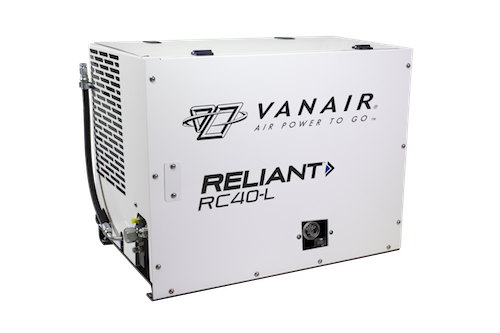
Credit: summitbodies.com
Frequently Asked Questions
What Is Air Compressor Service?
Air compressor service involves regular maintenance and inspections. This ensures optimal performance and longevity of your equipment. Key tasks include checking for leaks, changing filters, and lubricating moving parts. Regular service prevents costly breakdowns and enhances efficiency, making it essential for both home and industrial use.
How Often Should I Service My Air Compressor?
You should service your air compressor every 3 to 6 months. Frequency depends on usage and operating conditions. For heavy usage, consider more frequent maintenance. Regular servicing helps identify issues early, ensuring reliability and extending the lifespan of your compressor.
Always consult the manufacturer’s guidelines for specific recommendations.
What Are The Signs Of A Failing Air Compressor?
Common signs of a failing air compressor include unusual noises, reduced pressure, and frequent cycling. Additionally, you may notice excessive vibrations or oil leaks. If you experience any of these issues, it’s crucial to seek professional service. Addressing problems early can prevent further damage and costly repairs.
Can I Perform Air Compressor Maintenance Myself?
Yes, you can perform basic air compressor maintenance yourself. Tasks like checking oil levels, changing filters, and tightening bolts are manageable. However, complex issues may require professional assistance. Always refer to the user manual for specific maintenance guidelines. Regular checks can enhance performance and prevent potential breakdowns.
Conclusion
Regular air compressor service is essential for optimal performance and longevity. Routine maintenance can prevent costly breakdowns and improve efficiency. Investing in professional servicing ensures your equipment runs smoothly. Prioritize your air compressor’s health to enhance productivity and reduce downtime.
Keep your operations flowing seamlessly with timely service and care.