Bad brake pads can be a serious issue for your vehicle. Knowing the signs is crucial for safety.
Bad brake pads affect your car’s braking efficiency. They often show visible signs of wear. Thin, cracked, or uneven surfaces are common indicators. Squeaking or grinding noises also signal worn brake pads. Ignoring these signs can lead to bigger problems.
Brake pads should be checked regularly. Regular maintenance ensures your safety and extends the life of your vehicle. If you notice any of these symptoms, it’s time to replace your brake pads. Keep reading to learn more about identifying bad brake pads and maintaining your car’s braking system. Your safety depends on it.


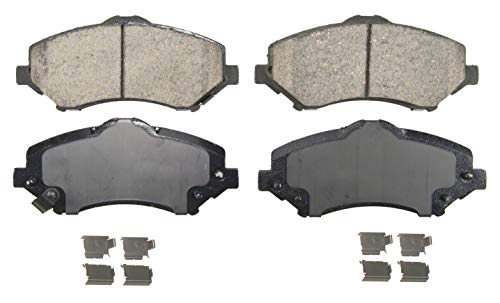


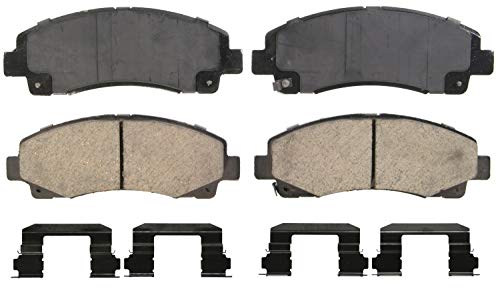

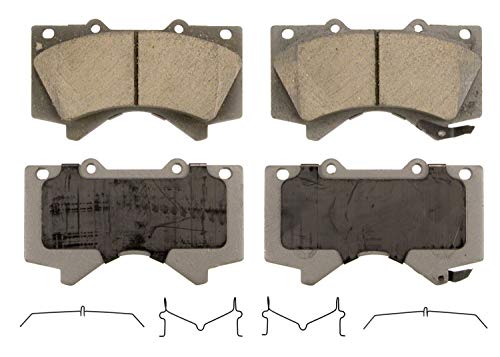
Buying Guide On What Does Bad Brake Pads Look Like
what does bad brake pads look like – buying guide
1. Recognize the sound. Screeching or squealing means brake pads are worn out.
2. Check for vibrations. Steering wheel shaking indicates bad brake pads.
3. Inspect brake response. Delayed stopping suggests worn brake pads.
4. Look for brake dust. Excessive dust on wheels signals pad wear.
5. Examine pad thickness. Less than a quarter inch is dangerous.
6. Notice deep grooves. Grooved rotors show brake pad damage.
7. Check for indicator lights. Brake warning lights mean inspect pads.
8. Feel the pedal. Soft or spongy pedals indicate pad issues.
9. Observe brake fluid. Low fluid levels hint at pad wear.
10. Listen for grinding. Grinding noise means pads are completely worn.
11. Smell for burning. Burning odor signals severe brake pad problems.
12. Inspect calipers. Uneven wear on pads shows caliper issues.
13. Test in wet conditions. Poor performance in rain means bad pads.
14. Look for rust. Rusty pads can cause uneven braking.
15. Check pad edges. Crumbling edges indicate old brake pads.
16. Monitor braking distance. Increased stopping distance means pad wear.
17. Inspect pad material. Cracked or glazed pads need replacement.
18. Observe vehicle pulling. Car pulling to one side signals brake pad issues.
19. Feel for dragging. Dragging sensation suggests brake pad problems.
20. Check for wear indicators. Some pads have built-in wear indicators.
Conclusion
Bad brake pads can lead to serious safety issues. Knowing their signs is crucial for every driver. Worn-out pads can have deep grooves, excessive dust, or thin lining. Strange noises like squeaking or grinding are also warning signals. Regularly inspect your brake pads to ensure they are in good condition.
This helps prevent accidents and costly repairs. Replacing bad brake pads early saves money and keeps you safe. Always consult a professional mechanic if unsure about their condition. Your safety and that of others depends on well-maintained brakes. Keep your vehicle in top shape and drive safely.