A two-stage air compressor compresses air in two phases, increasing efficiency and reducing heat. This design allows for higher pressure and improved performance compared to single-stage models.
Two-stage air compressors are essential tools for various industrial and commercial applications. They excel in providing high-pressure air for tasks like spray painting, pneumatic tools, and sandblasting. By compressing air in two distinct stages, these compressors achieve greater efficiency, delivering more air at a lower temperature.
This reduces wear on components and enhances durability. Users benefit from faster recovery times and a consistent airflow, making them ideal for demanding environments. Understanding their operation and advantages helps in selecting the right compressor for your needs, ensuring optimal performance and reliability. Explore the benefits of two-stage compressors to elevate your air supply capabilities.
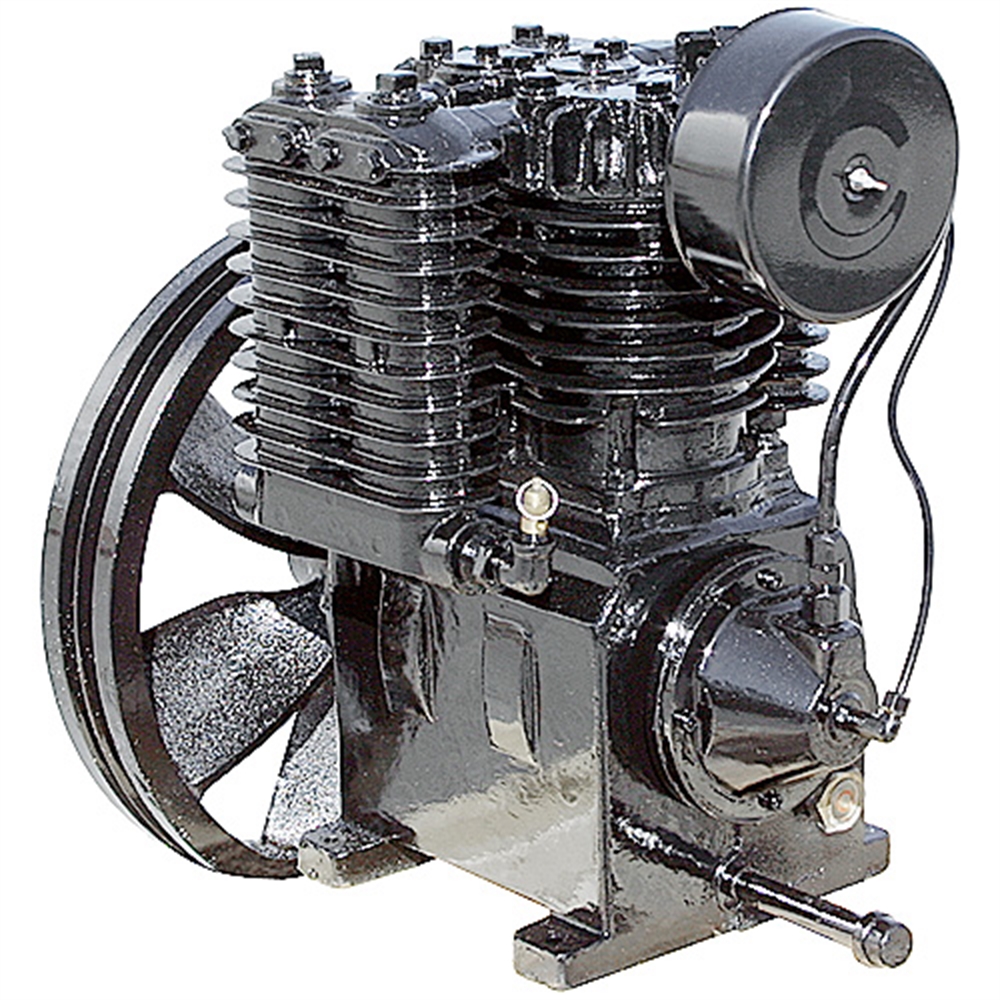
Credit: www.surpluscenter.com
Introduction To Two Stage Air Compressors
A two-stage air compressor is an efficient machine. It compresses air in two steps. This design allows for higher pressure output. Many industries use these compressors for various applications. They are known for their durability and performance.
The Basic Mechanism
The mechanism of a two-stage air compressor is simple yet effective. Here’s how it works:
- First Stage: Air enters the compressor. It gets compressed by the first piston.
- Intercooler: The compressed air cools down before moving to the next stage.
- Second Stage: The cooler air enters the second piston. It gets compressed again.
- Output: The high-pressure air is then stored in a tank.
This two-step process enhances the overall efficiency. It reduces the risk of overheating, extending the compressor’s life.
Advantages Over Single Stage Units
Two-stage air compressors offer several benefits compared to single-stage units:
- Higher Pressure Output: They can reach higher PSI levels.
- Better Efficiency: Less energy is wasted during operation.
- Longer Lifespan: They generate less heat, reducing wear and tear.
- Improved Performance: Ideal for demanding tasks and heavy-duty use.
The table below summarizes the key differences:
| Feature | Two-Stage Air Compressor | Single Stage Air Compressor |
|---|---|---|
| Pressure Output | Higher | Lower |
| Energy Efficiency | More Efficient | Less Efficient |
| Heat Generation | Lower | Higher |
| Life Span | Longer | Shorter |
Choosing a two-stage compressor can enhance productivity. It meets the demands of various industrial applications effectively.
Design Elements Of Two Stage Compressors
Two stage air compressors are designed for better efficiency and performance. Their unique features make them ideal for various applications. Understanding these design elements helps users make informed choices.
Intercooling For Enhanced Performance
Intercooling is a crucial feature of two stage compressors. It cools the air between compression stages. This process improves overall efficiency and performance.
- Reduces heat buildup
- Increases air density
- Enhances energy efficiency
By lowering the temperature, the compressor can deliver more air. This results in quicker work and less energy use. Intercooling also extends the lifespan of the compressor.
Cylinder Arrangement And Sizing
The arrangement and sizing of cylinders play a vital role. A typical two stage compressor has two cylinders. Each cylinder handles a specific compression stage.
| Cylinder Stage | Function | Characteristics |
|---|---|---|
| First Stage | Initial compression | Larger cylinder, lower pressure |
| Second Stage | Final compression | Smaller cylinder, higher pressure |
This design helps in achieving higher pressures efficiently. Proper sizing allows for better airflow and reduced energy consumption.
- Optimized for specific applications
- Prevents overheating
- Improves overall reliability
Efficiency Metrics For Air Compressors
Understanding efficiency metrics is crucial for choosing the right air compressor. Efficiency impacts performance, energy consumption, and operational costs. Two main metrics are volumetric efficiency and isothermal efficiency.
Defining Volumetric And Isothermal Efficiency
Volumetric efficiency measures how effectively an air compressor fills its cylinder. It is the ratio of the actual volume of air drawn in to the theoretical volume. Higher values indicate better performance.
Isothermal efficiency assesses how well a compressor maintains temperature during compression. It measures the energy needed to compress air at a constant temperature. A higher isothermal efficiency means less energy loss as heat.
| Efficiency Type | Definition | Importance |
|---|---|---|
| Volumetric Efficiency | Actual air volume drawn vs. theoretical volume | Indicates compressor performance |
| Isothermal Efficiency | Energy used at constant temperature | Reduces energy loss |
Energy Consumption Analysis
Energy consumption is a key factor in operating costs. Efficient compressors consume less energy. Analyze the following aspects:
- Power input rating: Check the horsepower (HP) rating.
- Duty cycle: Understand how often the compressor runs.
- Load factor: Assess how much energy is used during operation.
To calculate energy costs:
- Find the compressor’s power input in kilowatts.
- Multiply by the number of running hours per month.
- Multiply by the energy cost per kilowatt-hour.
Regular maintenance also boosts efficiency. Clean filters and check for leaks. This keeps energy costs low and performance high.
Power Dynamics In Two Stage Systems
The power dynamics in two-stage air compressors play a crucial role in their efficiency and performance. Understanding these dynamics helps users choose the right compressor for their needs. Here’s a closer look at the key aspects.
The Role Of Horsepower
Horsepower is vital for two-stage systems. It determines how much work the compressor can perform. Higher horsepower means more power to compress air effectively.
- Single-stage compressors: Lower horsepower, less pressure.
- Two-stage compressors: Higher horsepower, more efficient at high pressure.
Choosing the right horsepower is essential for:
- Meeting air demand.
- Ensuring longevity of the compressor.
- Maximizing energy efficiency.
Pressure Ratios And Their Impact
Pressure ratios are critical in two-stage compressors. They indicate the relationship between the intake pressure and the discharge pressure.
| Pressure Ratio | Performance Impact |
|---|---|
| 1:1 | Low efficiency, minimal compression. |
| 2:1 | Moderate efficiency, suitable for light tasks. |
| 4:1 | High efficiency, ideal for heavy-duty applications. |
Higher pressure ratios lead to:
- Increased output pressure.
- Better air delivery.
- Improved overall performance.
Understanding these aspects helps users optimize their compressor use.
Applications In Industry
Two-stage air compressors play a vital role in various industries. Their design increases efficiency and performance. This makes them ideal for heavy-duty tasks. Let’s explore their specific applications in different sectors.
Heavy-duty Industrial Uses
Two-stage air compressors are commonly used in heavy industries. They can handle high-pressure demands easily. Key applications include:
- Construction: Supplies air for tools and equipment.
- Mining: Powers drilling machines and pneumatic tools.
- Aerospace: Assists in testing and manufacturing processes.
- Automotive: Used in painting and assembly lines.
These compressors are built to last. Their durability reduces maintenance costs. This leads to increased productivity in heavy-duty tasks.
Two Stage Compressors In Manufacturing
In manufacturing, two-stage air compressors are essential. They improve efficiency and ensure consistent air supply. Some specific uses include:
| Application | Description |
|---|---|
| Assembly Lines | Provide air for tools and machinery. |
| Packaging | Power pneumatic packaging machines. |
| Textile Industry | Used for air jet looms and dyeing processes. |
Two-stage compressors enhance productivity in manufacturing. Their reliable performance ensures smooth operations. Businesses rely on them for efficient production.

Credit: m.youtube.com
Maintenance Best Practices
Proper maintenance of a two-stage air compressor ensures efficiency and longevity. Regular care prevents breakdowns and improves performance. Follow these best practices for optimal results.
Routine Checks And Balancing
Conduct routine checks to keep your compressor in top shape. Regular inspections help identify issues early.
- Check oil levels weekly.
- Inspect air filters monthly.
- Monitor pressure gauges regularly.
- Examine belts and hoses for wear.
Balancing is crucial for smooth operation. Ensure all components work harmoniously.
- Align motor and pump properly.
- Adjust tension on drive belts.
- Keep mounting bolts tight.
Ensuring Longevity And Reliability
Longevity depends on regular maintenance. Follow these steps to ensure reliability:
| Task | Frequency | Importance |
|---|---|---|
| Change oil | Every 500 hours | Prevents engine wear |
| Clean air filters | Monthly | Improves airflow |
| Inspect safety valves | Quarterly | Ensures pressure safety |
Keep your compressor clean. Dust and debris affect performance.
- Wipe down exterior regularly.
- Clear any obstructions around intake.
Follow these practices for a reliable and long-lasting compressor.
Cost-benefit Analysis
Understanding the cost-benefit analysis of a two-stage air compressor is essential. This analysis helps users see the value over time. It compares the initial costs to long-term savings.
Upfront Costs Versus Long-term Savings
Buying a two-stage air compressor involves initial costs. These costs can vary based on size and brand. However, consider these factors:
- Initial Purchase Price: Typically higher than single-stage models.
- Installation Costs: May require professional help.
- Maintenance Expenses: Regular checks ensure efficiency.
Despite higher upfront costs, two-stage compressors offer long-term savings:
- Energy Efficiency: Uses less power, saving on electricity bills.
- Longevity: Designed to last longer, reducing replacement costs.
- Higher Output: Produces more air, enhancing productivity.
Below is a table comparing costs:
| Type | Upfront Cost | Monthly Savings | Lifetime Savings |
|---|---|---|---|
| Single-Stage | $800 | $30 | $1,800 |
| Two-Stage | $1,200 | $50 | $3,000 |
Roi For Businesses
Return on Investment (ROI) is crucial for businesses. A two-stage air compressor can provide a strong ROI. Calculate ROI using this formula:
ROI = (Net Profit / Investment Cost) x 100
For example:
- Investment Cost: $1,200
- Net Profit: $3,000 over five years
Using the formula:
ROI = (3000 / 1200) x 100 = 250%
A 250% ROI shows the potential financial benefit. Investing in a two-stage air compressor is smart for efficiency and savings.

Credit: zambezicruisesafaris.com
Innovations And Future Trends
The world of two-stage air compressors is evolving rapidly. New technologies are changing how these machines operate. Innovations focus on efficiency, control, and environmental impact. Let’s explore some key areas of development.
Smart Control Systems
Smart control systems are revolutionizing air compressors. These systems offer real-time data and monitoring. Users can track performance and adjust settings easily.
- Remote monitoring via mobile apps
- Automated pressure regulation
- Energy consumption tracking
Smart systems increase efficiency. They reduce energy costs significantly. The integration of Internet of Things (IoT) enhances functionality.
Eco-friendly Developments
Eco-friendly innovations are crucial for future air compressors. Manufacturers focus on reducing carbon footprints. This shift promotes sustainability in the industry.
| Eco-Friendly Feature | Benefit |
|---|---|
| Energy-efficient motors | Lower energy usage |
| Recyclable materials | Reduced waste |
| Low-noise technology | Less sound pollution |
These developments lead to a cleaner environment. Future models will likely emphasize green technologies. Businesses benefit from reduced operational costs and enhanced brand image.
Frequently Asked Questions
What Is A Two Stage Air Compressor?
A two stage air compressor compresses air in two phases. It first compresses air in a low-pressure cylinder and then transfers it to a high-pressure cylinder. This design increases efficiency and provides higher pressure levels, making it ideal for heavy-duty applications.
What Are The Benefits Of A Two Stage Air Compressor?
Two stage air compressors offer several benefits. They deliver higher pressure output, enhance efficiency, and reduce heat generation. This leads to improved performance and longer equipment life. Additionally, they are suitable for various applications, including industrial and commercial uses.
How Does A Two Stage Air Compressor Work?
A two stage air compressor operates using two compression cycles. Initially, air enters the low-pressure cylinder, where it is compressed. The air is then transferred to a high-pressure cylinder for further compression. This process results in higher pressure and reduced heat buildup.
When Should I Use A Two Stage Air Compressor?
Consider using a two stage air compressor for demanding tasks. They are ideal for applications requiring high pressure, such as spray painting and pneumatic tools. If you need continuous air supply for industrial operations, a two stage compressor is a reliable choice.
Conclusion
A two-stage air compressor offers enhanced efficiency and performance for various applications. By compressing air in two stages, it delivers higher pressure with less energy consumption. This makes it an ideal choice for both industrial and DIY projects. Investing in one can significantly improve your productivity and save on energy costs.