The quietest air compressor models typically operate at 60 decibels or lower. These compressors are ideal for home use and sensitive environments.
Air compressors are essential tools for various tasks, from powering pneumatic tools to inflating tires. Noise can be a significant concern, especially in residential areas or workplaces where quiet operation is crucial. The quietest air compressors are designed to minimize sound without compromising performance.
These models offer efficient operation while maintaining a lower decibel level, making them suitable for indoor use. Choosing a silent air compressor ensures you can work without disturbing others. This guide explores the best quiet air compressors available, focusing on their features, benefits, and how they can meet your needs for a quieter workspace.

Credit: www.harborfreight.com
The Quest For Silence In Air Compressors
The demand for quieter air compressors is rising. Users want effective machines that don’t disrupt their environment. Noise can be a significant drawback for many applications. Finding a silent air compressor can be a game changer.
Why Noise Reduction Matters
Noise reduction in air compressors is essential for several reasons:
- Health Benefits: Loud noises can cause stress and hearing loss.
- Work Environment: Quieter machines improve workplace comfort.
- Community Standards: Many neighborhoods have noise regulations.
- Productivity: Less noise allows for better focus.
Investing in a quiet air compressor enhances overall well-being. It creates a better working atmosphere. Users can work longer hours without fatigue. A silent compressor also attracts more customers.
Applications Demanding Low Noise Levels
Several applications require low noise levels:
- Home Workshops: Hobbyists need quiet tools.
- Medical Facilities: Silence is crucial in hospitals.
- Office Spaces: Low noise keeps teams focused.
- Food Production: Noise can contaminate the environment.
Choosing a quiet air compressor for these applications is vital. It ensures compliance with noise regulations. It also promotes a peaceful atmosphere for everyone involved.
Core Principles Of Quiet Air Compressor Design
Designing a quiet air compressor involves several key principles. These principles focus on reducing noise while maintaining performance. Understanding these concepts helps in choosing the right compressor for your needs.
Sound Engineering Basics
Sound engineering is crucial for quiet air compressors. Here are some basic principles:
- Enclosure Design: A well-designed enclosure minimizes sound escape.
- Isolation Mounting: Mounting compressors on rubber pads reduces vibrations.
- Noise Barriers: Adding barriers around the compressor absorbs sound.
Using these techniques, manufacturers can significantly lower noise levels. The goal is to create a peaceful environment during operation.
Innovative Materials And Components
Materials and components play a vital role in noise reduction. Here’s how:
| Component | Material | Noise Reduction Effect |
|---|---|---|
| Compressor Housing | Sound-absorbing foam | Reduces external noise |
| Pump Design | Aluminum or plastic | Minimizes vibrations |
| Intake Filters | Acoustic material | Decreases intake noise |
Innovative materials enhance the overall performance of quiet air compressors. Choosing the right components helps in achieving lower noise levels.
Top Contenders For The Quietest Air Compressor
Choosing the quietest air compressor can make a big difference. Many people need a compressor that works without noise. Here are the top contenders in this category.
Leading Brands And Models
- California Air Tools 8010: Known for its low noise level of 60 dB.
- Makita MAC2400: Features a powerful motor with only 79 dB.
- Senco PC1010: Compact and operates at 68 dB.
- DEWALT D55140: A quiet option with 75.5 dB.
Each of these models offers unique features. They cater to different needs while keeping noise to a minimum.
Comparative Analysis Of Specifications
| Model | Noise Level (dB) | Tank Size (Gallon) | Weight (lbs) |
|---|---|---|---|
| California Air Tools 8010 | 60 | 8 | 29 |
| Makita MAC2400 | 79 | 4.2 | 77 |
| Senco PC1010 | 68 | 1 | 20 |
| DEWALT D55140 | 75.5 | 1.6 | 29 |
Consider these specifications. They help in choosing the right compressor. Noise level, tank size, and weight matter.

Credit: eatoncompressor.com
Key Features Of Silent Air Compressors
Silent air compressors are perfect for various tasks. They operate quietly while maintaining high efficiency. Understanding their key features helps in choosing the right one.
Decibel Levels Explored
Decibel levels define how loud the air compressor is. Silent models range from 40 to 60 decibels. This level is much quieter than traditional compressors.
| Decibel Level | Noisy Compressor | Silent Compressor |
|---|---|---|
| 40 dB | Whispering | Quiet Room |
| 50 dB | Normal Conversation | Office Background Noise |
| 60 dB | Busy Street | Quiet Restaurant |
Choosing a compressor below 60 dB is ideal for home use. It allows for peaceful operation without disturbing others.
Size And Portability Considerations
Size matters for silent air compressors. Compact models are easier to move. They fit in tight spaces and are lightweight.
- Compact designs save storage space.
- Wheeled models enhance mobility.
- Lightweight options suit home users.
Consider the intended use before selecting a size. A smaller model may work well for home projects. Larger models are better for industrial tasks.
- Measure your workspace before buying.
- Check for additional features like handles.
- Evaluate power needs based on tasks.
Finding the right balance of size and power ensures efficiency. Silent compressors can be both powerful and portable.
User Experience: Operating A Silent Compressor
Operating a silent air compressor can transform your workspace. Users enjoy quieter environments. This experience enhances productivity and comfort. Understanding ease of use and maintenance is essential.
Ease Of Use And Maintenance
Silent compressors are designed for user-friendliness. Here are some key features:
- Lightweight Design: Easy to move around.
- Simple Controls: Intuitive buttons and gauges.
- Quick Setup: Ready for use in minutes.
Maintenance is straightforward. Regular checks keep the compressor running smoothly. Follow these steps:
- Check oil levels regularly.
- Clean air filters monthly.
- Inspect hoses for wear.
These practices ensure long-lasting performance.
Real-world Performance Feedback
Users report high satisfaction with silent compressors. Here’s what they say:
| Feature | User Rating (out of 5) | Comments |
|---|---|---|
| Noise Level | 4.8 | Much quieter than traditional models. |
| Portability | 4.5 | Easy to carry to different locations. |
| Performance | 4.7 | Consistent power for various tasks. |
Many users appreciate the low noise. They can work without distractions. Performance remains reliable, even under heavy use. Overall, user feedback highlights satisfaction and efficiency.
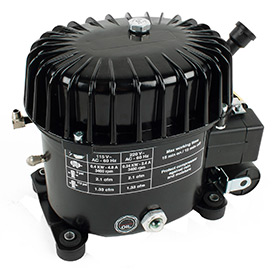
Credit: www.werther.com
Integrating A Quiet Air Compressor Into Your Workspace
Integrating a quiet air compressor into your workspace enhances productivity. It reduces noise levels, creating a more comfortable environment. This setup benefits both employees and customers. Follow these tips for seamless integration.
Installation Tips
Proper installation ensures your quiet air compressor works efficiently. Consider these steps:
- Choose a dedicated space away from high-traffic areas.
- Place the compressor on a stable, level surface.
- Use vibration pads to minimize noise.
- Ensure proper ventilation for cooling.
- Connect the necessary power supply safely.
Always refer to the manufacturer’s manual for specific instructions.
Optimizing Workspace Acoustics
Enhancing workspace acoustics can further reduce noise. Implement these strategies:
- Use sound-absorbing materials like carpets and curtains.
- Add acoustic panels to walls for better sound control.
- Arrange furniture to create barriers against noise.
- Limit open spaces that allow sound to travel.
These adjustments help create a quieter and more efficient workspace.
| Strategy | Description |
|---|---|
| Vibration Pads | Reduce noise from compressor vibrations. |
| Acoustic Panels | Absorb sound waves and minimize echoes. |
| Furniture Arrangement | Create barriers to block sound transmission. |
| Soundproofing Materials | Use thick curtains or carpets to dampen noise. |
By following these tips, you can successfully integrate a quiet air compressor into your workspace. Enjoy a peaceful and productive environment.
The Future Of Silent Air Compressors
The future of silent air compressors looks bright and innovative. As industries evolve, the demand for quieter machines increases. Users seek efficiency without noise pollution. This shift drives manufacturers to innovate and enhance technology.
Technological Advancements On The Horizon
New technologies are set to revolutionize silent air compressors. Key advancements include:
- Brushless Motors: These motors reduce noise and increase efficiency.
- Sound-Absorbing Materials: New materials lower sound levels significantly.
- Smart Technology: IoT integration allows remote monitoring and control.
These advancements promise quieter operations and better performance.
Predicting Trends In The Industry
Several trends are emerging in the silent air compressor market:
- Increased Demand: More industries prioritize silent operations.
- Sustainability Focus: Eco-friendly models gain popularity.
- Portability: Compact designs become essential for users.
- Customization: Tailored solutions for specific needs will rise.
These trends signal a shift towards quieter, more efficient machinery.
Making The Decision: Investing In A Silent Air Compressor
Investing in a silent air compressor offers many advantages. Quiet operation boosts comfort in any workspace. It also enhances productivity and reduces noise pollution.
Cost-benefit Analysis
Choosing a silent air compressor involves a cost-benefit analysis. Here are some key factors to consider:
| Factors | Traditional Compressors | Silent Compressors |
|---|---|---|
| Noise Level | High noise | Low noise |
| Price | Lower initial cost | Higher initial cost |
| Long-term Comfort | Less comfortable | More comfortable |
| Energy Efficiency | Less efficient | More efficient |
Consider the long-term benefits. A silent air compressor may save money. It may reduce stress levels and improve focus.
Selecting The Right Model For Your Needs
Choosing the right silent air compressor matters. Here’s how to select the best model:
- Assess your needs: Determine the tasks you will perform.
- Check noise ratings: Look for models below 60 dB.
- Consider tank size: Larger tanks store more air.
- Evaluate portability: Decide if you need a portable model.
- Read reviews: User experiences can guide your choice.
Invest in a model that suits your tasks and environment. A well-chosen silent air compressor enhances your workspace.
Frequently Asked Questions
What Is The Quietest Air Compressor Available?
The quietest air compressor available is typically one that operates under 60 decibels. Many manufacturers produce models specifically designed for noise reduction. Look for brands that advertise low noise levels, such as California Air Tools or Makita. These compressors are ideal for indoor use and residential areas.
How Do I Choose A Quiet Air Compressor?
To choose a quiet air compressor, consider the decibel rating first. Look for models specifically labeled as “quiet” or “silent. ” Also, consider the compressor’s power and size for your needs. Research user reviews to see how quiet the compressor truly is in real-world usage.
What Are The Benefits Of A Quiet Air Compressor?
A quiet air compressor offers several benefits, including reduced noise pollution and increased comfort during use. They allow for operation in noise-sensitive environments, like homes and offices. Additionally, quieter models often have vibration reduction features, enhancing their longevity and performance during extended use.
Are Quiet Air Compressors More Expensive?
Quiet air compressors can be slightly more expensive than standard models. The technology used to reduce noise often adds to the cost. However, the investment is worthwhile for noise-sensitive users. Consider the long-term benefits, such as comfort and potential noise complaints, when evaluating costs.
Conclusion
Choosing the right quiet air compressor can significantly enhance your workspace. A quieter model reduces noise pollution and improves comfort. Consider factors like size, power, and purpose to find the best fit for your needs. Investing in a quiet air compressor ensures efficiency without the disruptive sound.
Enjoy a peaceful environment while working!