To pump a car tire, you need a few basic tools. Begin by finding a suitable place to park.
A flat tire can be a real headache. Knowing how to pump a car tire yourself can save you time and trouble. It’s a simple skill every driver should have. You don’t need fancy equipment or special training. Just a tire gauge, an air pump, and a few minutes.
This guide will walk you through the steps. Whether you’re at home or on the road, you’ll be prepared. Keep reading to learn how to keep your tires properly inflated. This will ensure a smoother, safer drive.

Credit: www.sheknows.com
Gather Necessary Tools
A tire gauge helps check tire pressure. You need it for accuracy. Tire gauges are small and easy to use. They show the current tire pressure. Find one in a car store or online. It is a very helpful tool.
A tire pump is essential. Use it to add air to the tire. Many types exist: manual, electric, or at gas stations. Electric pumps are faster. Manual pumps require more effort. Choose the one you prefer. Always keep it handy.
Check Tire Pressure
Find the valve stem on your tire. It is usually a small rubber or metal stem sticking out from the tire. This stem is where you will attach the tire gauge. Make sure the valve stem is clean. Dirt can affect the reading.
Take the tire gauge and press it onto the valve stem. Hold it firmly for a few seconds. Read the gauge. It will show the current tire pressure. Compare this with the recommended pressure for your car. You can find this number in your car manual or on the door frame.
Prepare The Tire Pump
Ensure your tire pump is ready. Check for proper attachments and set the desired pressure level. This preparation helps in efficient and accurate tire inflation.
Set Up Pump
Make sure the pump is ready. Check the power source. If it’s an electric pump, plug it in. For manual pumps, ensure all parts are intact. Attach the hose to the pump. Ensure it fits snugly. Double-check all connections. This prevents air leaks. Keep the pump close to the tire. This will make the job easier.
Adjust Settings
Set the pump pressure. Look at the tire’s sidewall. It shows the recommended psi. This is the pressure level. Adjust the pump to match this. Some pumps have digital displays. Use the buttons to set the pressure. Others have manual dials. Turn the dial to the right setting. This ensures the tire is properly inflated.

Credit: www.caranddriver.com
Attach Pump To Tire
First, find the valve cap on your tire. Twist it to the left to remove it. Keep it in a safe place. You will need it later.
Take the pump nozzle and fit it onto the valve stem. Push it down firmly. Make sure it is tight. This prevents air from escaping. Now, you are ready to pump your tire.
Begin Pumping
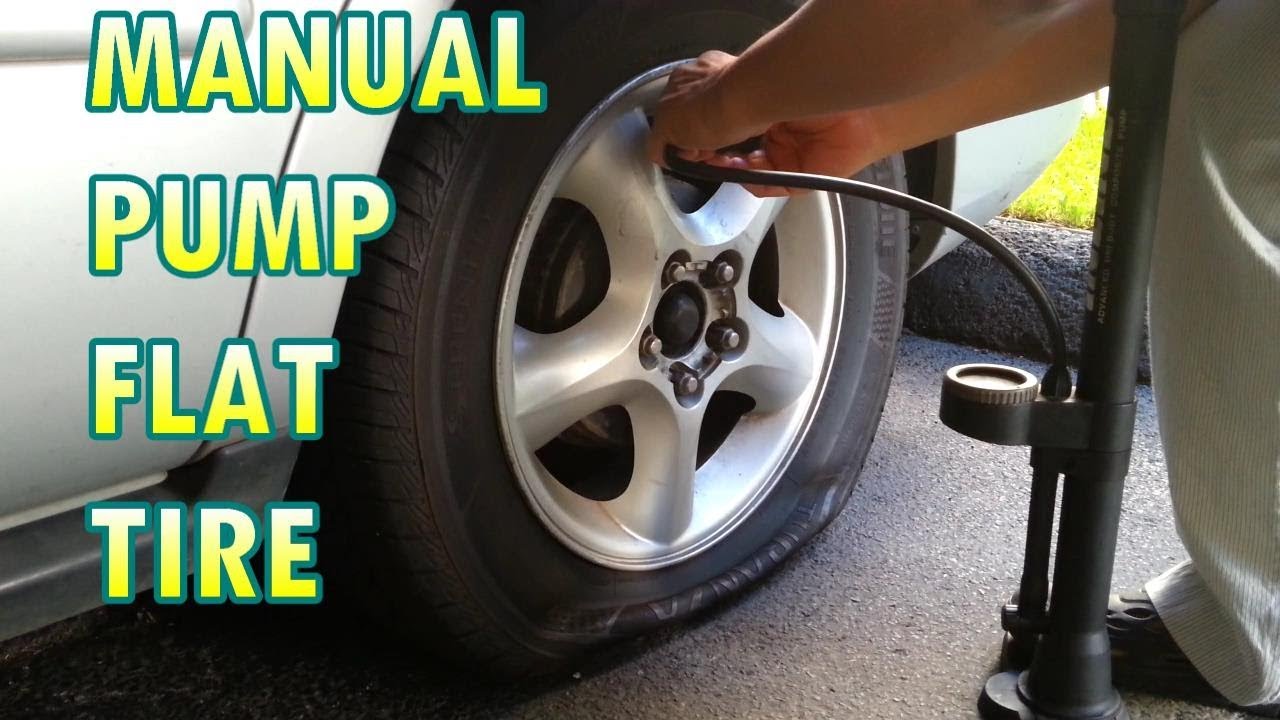
First, attach the pump to the tire valve. Press firmly. Listen for air escaping. If you hear it, adjust the connection. Start pumping. Use steady motions. Avoid rushing. This ensures even inflation.
Check the tire pressure often. Use a pressure gauge. Most cars need 30-35 PSI. Look at the car manual for exact numbers. Too much air can be bad. Too little air is also bad.
Pump in short bursts. Check the pressure after each burst. This prevents over-inflation. Stop when you reach the right pressure. Remove the pump. Quickly put the valve cap back on. Your tire is now ready.
Credit: www.youtube.com
Check Pressure Again
After inflating the tire, check pressure again using a gauge. Ensure it matches the recommended level for safety and performance.
Use Tire Gauge
It’s important to use a tire gauge. This tool helps you check tire pressure. Insert the gauge into the valve stem. The gauge will show a number. This number is your tire’s pressure.
Compare With Recommended Pressure
Find the recommended pressure for your tires. This info is in the car manual. Compare your tire’s pressure with this number. If the pressure is low, you need to add air. If it’s high, you need to release some air.
Detach Pump
First, turn off the pump. Make sure the tire is fully pumped. Hold the nozzle firmly. Pull it away from the valve stem. Do not twist or force it. This could damage the valve. Keep the nozzle clean for next use.
Take the valve cap. Place it back on the valve stem. Turn it clockwise. Make sure it is tight. A loose cap can cause air leaks. Store your pump in a safe place. Done!
Final Tips
Check tire pressure often. Use a tire gauge. Tires lose pressure over time. Cold weather can reduce pressure. Low pressure can be dangerous. It can cause accidents. High pressure is also bad. It can make tires burst. Keep tires at the right pressure. Check your car manual. It tells you the right pressure. Check tires at least once a month.
Always keep a spare tire. Flat tires happen at bad times. Be ready to change it. Keep a tire pump in your car. Use it if needed. Also, have a repair kit. It can fix small holes. Know how to use these tools. Practice changing a tire. It helps in emergencies. Stay safe on the road.
Frequently Asked Questions
How Do You Pump Up Tires At A Gas Station?
Locate the air pump at the gas station. Remove the valve cap from your tire. Attach the hose to the valve. Set the desired pressure. Start the pump and inflate the tire. Monitor the gauge for accurate pressure. Remove the hose and replace the valve cap.
How To Correctly Inflate Car Tires?
Check the recommended tire pressure in the owner’s manual or the driver’s door placard. Use a reliable tire gauge. Inflate tires when they are cold. Remove the valve cap and press the gauge onto the valve stem. Add air until reaching the recommended pressure.
Replace the valve cap.
How Do I Know How Much Air Should I Put In My Tires?
Check your vehicle’s owner’s manual or the tire placard on the driver’s door for recommended tire pressure.
How Do You Fill Up Your Car Tires?
Use an air pump at a gas station or home. Remove valve cap, attach pump nozzle, and inflate to recommended pressure.
Conclusion
Pumping a car tire is simple and quick. Just follow these steps. Check your tire pressure often to ensure safety. Use a reliable gauge to measure the pressure. Inflate your tire to the correct level. Don’t forget to replace the valve cap.
Regular tire maintenance helps your car run smoothly. It also prevents accidents. Keep your tires in top shape. Happy driving!