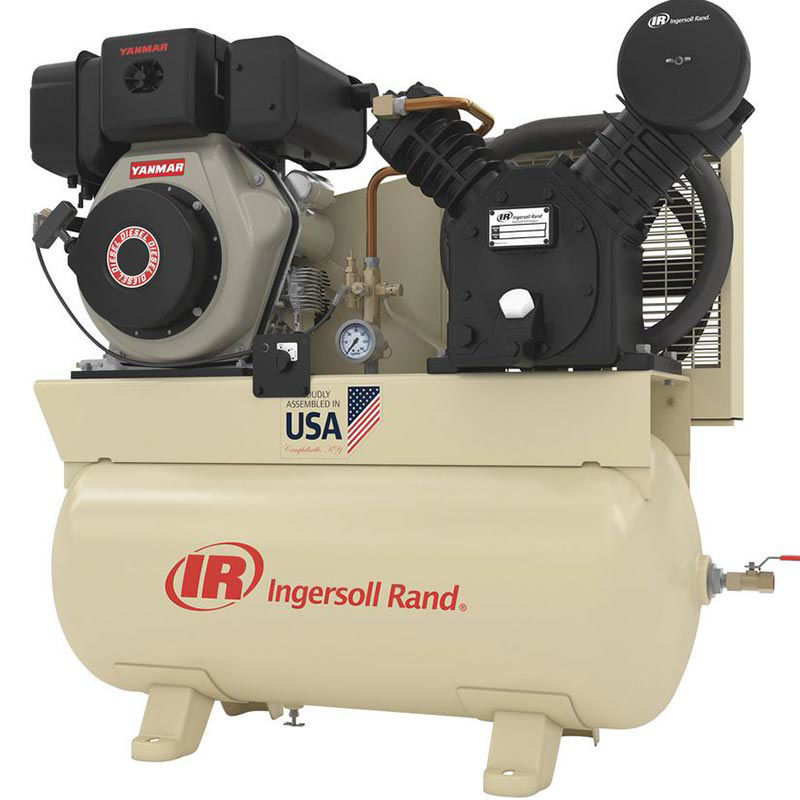
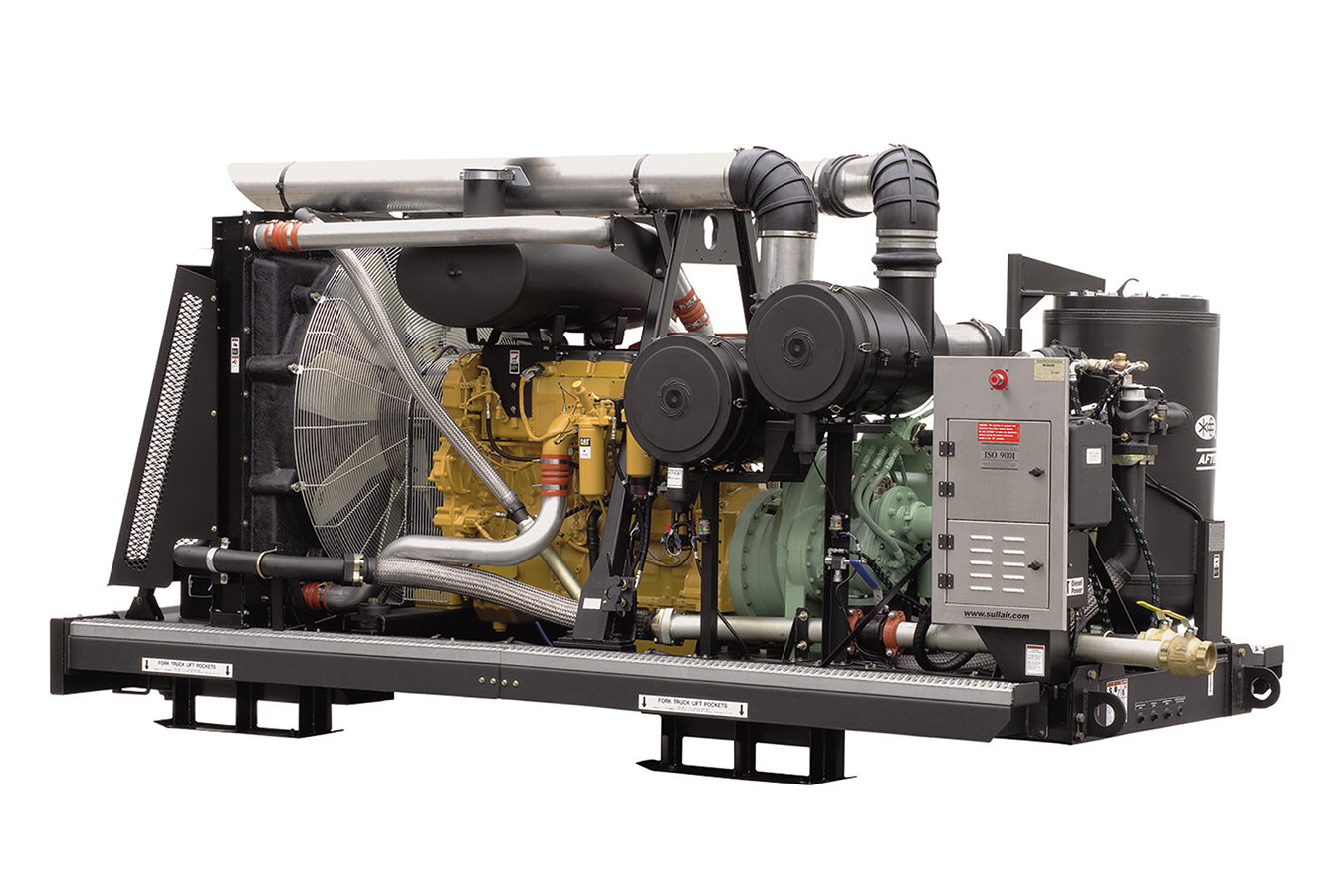
A diesel air compressor uses a diesel engine to power an air compressor. It delivers high pressure and is ideal for heavy-duty applications.
Diesel air compressors are essential tools in various industries, including construction, mining, and manufacturing. They provide reliable, portable power for pneumatic tools, equipment, and other applications. Unlike electric compressors, diesel models offer the advantage of mobility, making them suitable for remote job sites without access to electricity.
Their robust design ensures durability and efficiency, even in harsh conditions. Many diesel air compressors feature large fuel tanks, allowing for extended operation without frequent refueling. Users appreciate their ability to handle demanding tasks, providing consistent air pressure and volume. With advancements in technology, modern diesel compressors are quieter and more fuel-efficient than ever before.
Credit: www.portlandcompressor.com
Introduction To Diesel Air Compressors
Diesel air compressors are powerful machines. They generate compressed air using diesel engines. These compressors are ideal for various industrial applications. Their portability and efficiency make them popular in remote locations.
Essential Features
Diesel air compressors come with several key features:
- Portability: Easy to transport to job sites.
- Powerful Performance: High pressure and volume output.
- Durability: Built to withstand tough environments.
- Fuel Efficiency: Operates longer on less fuel.
- Noise Reduction: Quieter operation compared to other models.
These features make diesel air compressors a reliable choice for many industries.
Applications In Industry
Diesel air compressors serve various purposes in different sectors. Here are some common applications:
| Industry | Application |
|---|---|
| Construction | Powering pneumatic tools |
| Mining | Drilling and excavation |
| Manufacturing | Material handling and processing |
| Agriculture | Operating irrigation systems |
| Automotive | Painting and spray applications |
Each industry relies on diesel air compressors for efficiency. These machines enhance productivity and reduce downtime.
Credit: america.sullair.com
Comparing Diesel To Electric Compressors
Comparing Diesel and Electric Compressors reveals key differences. Each type has unique advantages and disadvantages. Understanding these can help you choose the right compressor for your needs.
Performance Metrics
Performance metrics help evaluate compressor efficiency and effectiveness. Below is a comparison of diesel and electric compressors based on various factors:
| Performance Factor | Diesel Compressors | Electric Compressors |
|---|---|---|
| Power Output | High power output for heavy-duty tasks | Lower power output, suitable for light to medium tasks |
| Portability | More portable, designed for remote sites | Less portable, requires a power source |
| Noise Level | Typically louder during operation | Quieter, ideal for residential areas |
| Maintenance | Requires regular fuel and oil checks | Less maintenance required, easy to use |
Operational Environments
The environment where the compressor operates influences its performance. Here’s how each type fares:
- Diesel Compressors
- Ideal for outdoor construction sites
- Works well in remote locations without power
- Can operate in extreme temperatures
- Electric Compressors
- Best for indoor use, quiet operations
- Requires a stable electrical supply
- Not suitable for extreme weather conditions
Choosing between diesel and electric compressors depends on your specific needs. Consider your work environment and performance requirements carefully.
Key Advantages Of Diesel Air Compressors
Diesel air compressors offer numerous benefits. They provide powerful performance and high efficiency. These advantages make them popular in various industries.
Robust Power Output
Diesel air compressors deliver superior power. This allows them to handle demanding tasks. They can easily power heavy-duty tools and machinery.
- High torque for tough applications
- Consistent air pressure
- Longer operating time without interruptions
They are perfect for construction sites and industrial tasks. Their durability ensures they withstand harsh conditions.
Mobility And Flexibility
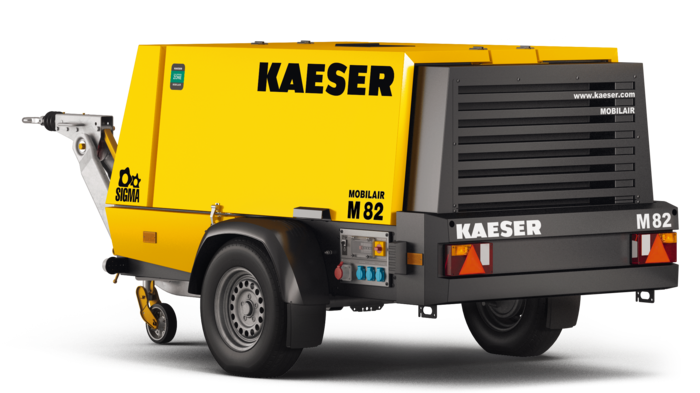
Diesel air compressors are highly portable. Many models come with wheels for easy transport. This feature allows users to move them quickly between job sites.
| Feature | Benefit |
|---|---|
| Compact Design | Easy to store and transport |
| Rugged Build | Suitable for outdoor use |
| Quick Setup | Ready to work in minutes |
This mobility suits various applications. Users can operate in remote locations easily. Diesel air compressors adapt to different environments with ease.
Selecting The Right Diesel Air Compressor
Choosing the perfect diesel air compressor is crucial. It impacts efficiency and performance. Understanding key factors helps make a smart decision. Let’s explore essential aspects for selection.
Size And Capacity Considerations
Size and capacity play a vital role in performance. Consider these factors:
- Project Requirements: Determine the tools you will use.
- CFM Rating: Check the Cubic Feet per Minute needed.
- PSI Levels: Ensure it meets your pressure needs.
- Tank Size: Choose a tank that supports your workload.
Here’s a simple table to guide your decision:
| Application | CFM Requirement | Recommended Tank Size |
|---|---|---|
| Small Tools | 3-5 CFM | 5-10 Gallons |
| Medium Tools | 10-15 CFM | 10-30 Gallons |
| Heavy Tools | 20+ CFM | 30+ Gallons |
Brand And Manufacturer Reliability
Brand reputation significantly affects quality. Consider these points:
- Reviews: Check customer feedback and ratings.
- Warranty: A good warranty indicates reliability.
- Support: Look for responsive customer service.
- Parts Availability: Ensure parts are easy to find.
Popular brands often offer better support. Research and compare options. A reliable brand ensures durability and performance.
Maintenance Best Practices
Proper maintenance ensures your diesel air compressor runs efficiently. Regular care extends its lifespan and reduces repair costs. Follow these best practices to keep your compressor in top shape.
Routine Check-ups
Routine check-ups are vital for performance. Schedule regular inspections to spot potential issues early. Here are key areas to focus on:
- Oil Levels: Check and change oil as needed.
- Filters: Clean or replace air and fuel filters.
- Hoses: Inspect for wear or leaks.
- Connections: Ensure all connections are tight.
Use a checklist for your routine check-ups:
| Task | Frequency |
|---|---|
| Check oil levels | Weekly |
| Inspect air filters | Monthly |
| Examine hoses | Quarterly |
| Tighten connections | Every 6 months |
Longevity Tips
To ensure your diesel air compressor lasts longer, follow these longevity tips:
- Keep it Clean: Regularly clean the exterior to prevent dirt buildup.
- Monitor Temperature: Avoid overheating; check cooling systems.
- Use Quality Fuel: Invest in high-quality diesel fuel.
- Train Operators: Ensure users know how to operate it properly.
Implement these tips for lasting performance. Maintenance saves money and time in the long run.
Cost Analysis
Understanding the cost of a diesel air compressor is essential. This analysis covers initial investments and long-term operational costs. Evaluating these expenses helps businesses make informed decisions.
Initial Investment
The initial investment for a diesel air compressor can vary. Factors affecting the price include brand, size, and features. Below is a breakdown of common costs:
| Type of Compressor | Price Range |
|---|---|
| Portable Diesel Compressors | $3,000 – $8,000 |
| Stationary Diesel Compressors | $5,000 – $15,000 |
| Heavy-Duty Diesel Compressors | $10,000 – $30,000 |
Consider financing options. Some manufacturers offer payment plans. These can ease the burden of upfront costs.
Long-term Operational Costs
Long-term operational costs can significantly affect total expenses. These costs include fuel, maintenance, and parts replacement.
- Fuel Costs: Diesel prices fluctuate. On average, expect to pay around $3 to $5 per gallon.
- Maintenance Costs: Regular servicing is crucial. Budget approximately $500 to $1,200 annually.
- Parts Replacement: Components may wear out. Set aside around $300 to $800 yearly for replacements.
Here’s a simplified breakdown of long-term costs:
| Cost Type | Estimated Annual Cost |
|---|---|
| Fuel | $2,000 – $5,000 |
| Maintenance | $500 – $1,200 |
| Parts Replacement | $300 – $800 |
Calculating these costs helps determine the total ownership expense. Understanding costs aids in budgeting and planning.
Environmental Impact
The environmental impact of diesel air compressors is significant. They contribute to air pollution and climate change. Understanding these effects is essential for making informed choices.
Emission Standards
Diesel air compressors must meet strict emission standards. These standards help reduce harmful pollutants. They include:
- Carbon Dioxide (CO2)
- Nitrogen Oxides (NOx)
- Particulate Matter (PM)
Compliance with these standards varies by region. Some countries have tougher rules than others. Here’s a quick overview:
| Region | Emission Standard |
|---|---|
| USA | EPA Tier 4 |
| Europe | Stage V |
| Asia | Varies by country |
Eco-friendly Alternatives
Eco-friendly alternatives to diesel air compressors exist. These options reduce environmental impact. Consider these choices:
- Electric Air Compressors: Quieter and cleaner.
- Hybrid Models: Combine diesel and electric power.
- Solar-Powered Compressors: Harness renewable energy.
These alternatives help lower emissions. They also save money on fuel costs. Choosing eco-friendly options supports a cleaner planet.
Future Trends In Air Compressor Technology
The air compressor industry is evolving rapidly. New technologies are emerging. These innovations promise efficiency, reliability, and sustainability. The focus is shifting towards cleaner, smarter, and more efficient models.
Innovations On The Horizon
Several groundbreaking innovations are set to change the air compressor landscape:
- Smart Technology: Integration of IoT allows real-time monitoring.
- Variable Speed Drives: These enhance energy efficiency significantly.
- Advanced Materials: Use of lightweight composites improves durability.
- Digital Controls: These provide precise performance adjustments.
| Innovation | Benefit |
|---|---|
| Smart Technology | Real-time performance data |
| Variable Speed Drives | Energy savings |
| Advanced Materials | Increased lifespan |
| Digital Controls | Improved precision |
Shifting Towards Sustainability
Sustainability is a key focus in air compressor technology. Manufacturers are adopting eco-friendly practices.
- Energy-Efficient Designs: New models consume less power.
- Low Emission Standards: Compliance with stricter regulations is crucial.
- Recyclable Materials: Using sustainable materials reduces waste.
- Implementing renewable energy sources.
- Encouraging maintenance for longevity.
- Promoting energy recovery systems.
These trends lead to a greener future. The industry is committed to reducing its environmental footprint.
Credit: us.kaeser.com
Frequently Asked Questions
What Is A Diesel Air Compressor?
A diesel air compressor is a portable machine that uses diesel fuel to generate compressed air. It is commonly used in construction, mining, and industrial applications. Diesel compressors are known for their power and efficiency, making them ideal for heavy-duty tasks where electricity isn’t available.
How Does A Diesel Air Compressor Work?
A diesel air compressor operates by using a diesel engine to drive a pump. This pump compresses air, which is stored in a tank for various applications. The process involves taking in ambient air, compressing it, and then releasing it at a higher pressure for tools and machinery.
What Are The Benefits Of Diesel Air Compressors?
Diesel air compressors offer several advantages. They provide high power output and can operate in remote locations without electrical access. Additionally, they are generally more fuel-efficient than gasoline compressors and are built for rugged use, making them ideal for demanding job sites.
Are Diesel Air Compressors Noisy?
Yes, diesel air compressors can be noisy. The noise level varies by model and size, but they typically produce more sound than electric compressors. However, many manufacturers design their compressors with noise reduction features to minimize disruption on job sites.
Conclusion
Choosing a diesel air compressor can boost efficiency in various applications. Its durability and power make it ideal for heavy-duty tasks. With proper maintenance, it offers long-lasting performance. Investing in the right model ensures reliable operation. Make an informed choice to meet your specific needs and enhance productivity today.