Compressors air are devices that increase air pressure by reducing its volume. They are essential in various applications, from powering tools to inflating tires.
Air compressors play a crucial role in numerous industries, enhancing efficiency and productivity. These versatile machines convert power into kinetic energy, enabling them to perform a wide array of tasks. From construction sites to automotive workshops, air compressors provide reliable power for pneumatic tools and equipment.
They come in various types, including reciprocating, rotary screw, and centrifugal compressors, each suited for specific applications. Understanding how these compressors work and their advantages can help businesses choose the right model. Whether for industrial use or DIY projects, air compressors significantly streamline operations and save time.
Introduction To Air Compressors
Air compressors are essential tools in various industries. They convert power into potential energy stored as compressed air. This compressed air can drive machinery, tools, and equipment.
Understanding the types of air compressors helps users choose the right one. Each type has unique features and uses, making it important to know their differences.
Types Of Compressors
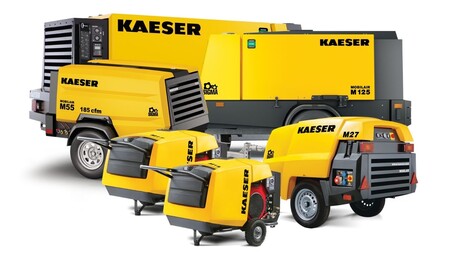
Air compressors come in several types. Here are the most common:
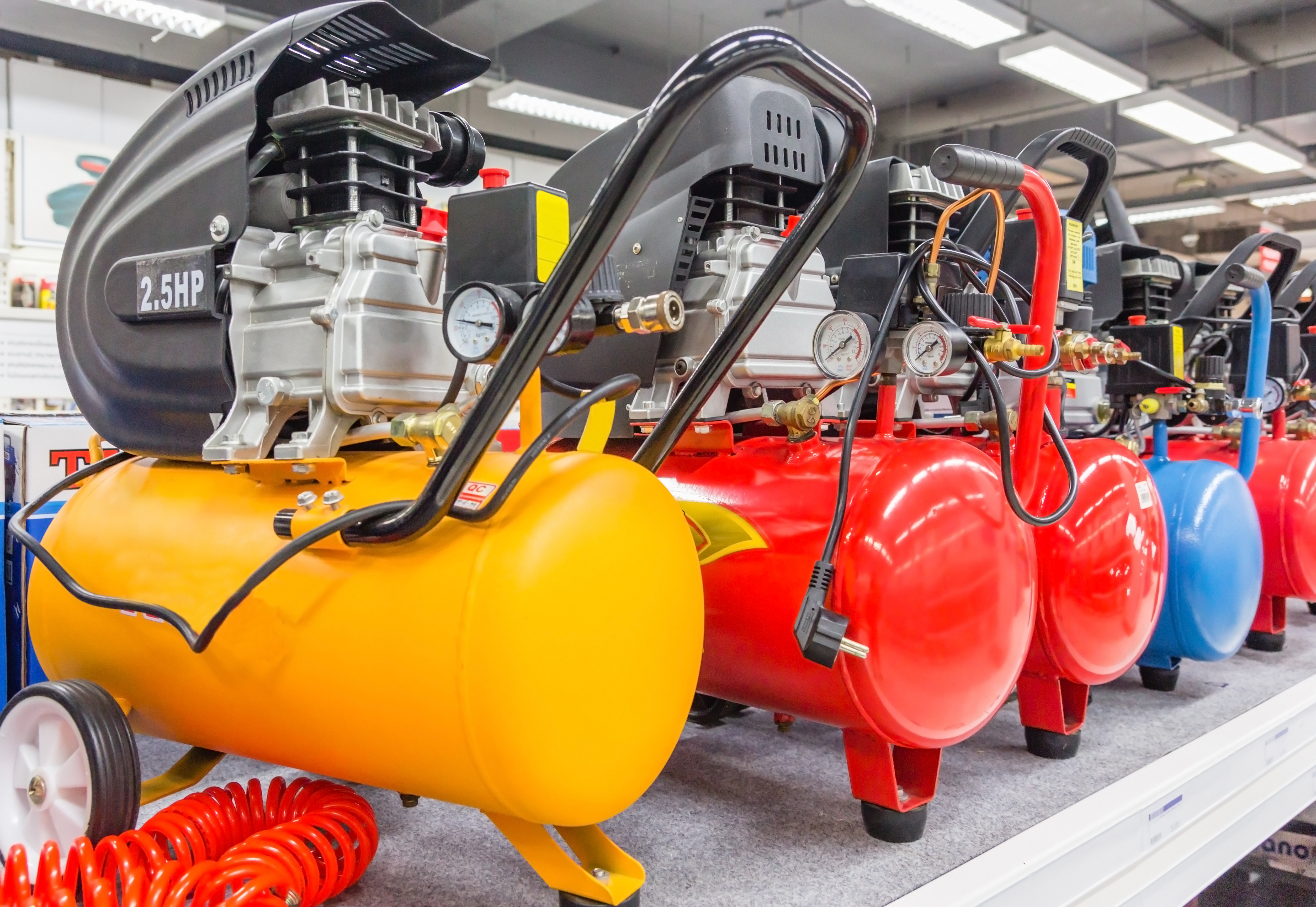
- Reciprocating Compressors: Use pistons to compress air. They are suitable for small tasks.
- Rotary Screw Compressors: Ideal for continuous use. They provide a steady supply of air.
- Centrifugal Compressors: Best for large applications. They work by using a rotating disk.
- Scroll Compressors: Compact and quiet. Great for HVAC systems.
| Type | Best For | Key Feature |
|---|---|---|
| Reciprocating | Small tasks | Piston-driven |
| Rotary Screw | Continuous use | Steady air supply |
| Centrifugal | Large applications | Rotating disk |
| Scroll | HVAC systems | Compact design |
Role In Workshops
Air compressors play a vital role in workshops. They power various tools and machines. Common tools include nail guns, spray painters, and sanders.
Benefits of using air compressors in workshops:
- Increased efficiency in tasks
- Reduced manual labor
- Ability to handle heavy-duty tasks
Choosing the right compressor boosts productivity. Understanding your workshop’s needs guides your choice.
Credit: us.kaeser.com
Assessing Your Workshop Needs
Choosing the right air compressor requires careful assessment. Understanding your workshop’s needs is crucial. This section will guide you through determining air demand and evaluating compressor capacity.
Determining Air Demand
Start by identifying tools used in your workshop. Each tool has a specific air demand. Knowing this helps ensure you select the right compressor.
- Check the air consumption of each tool.
- List tools and their required CFM (Cubic Feet per Minute).
- Calculate total air demand by adding the CFM of all tools.
Example of air demand for common tools:
| Tool | CFM Required |
|---|---|
| Air Nail Gun | 2-3 CFM |
| Paint Sprayer | 8-12 CFM |
| Air Impact Wrench | 4-6 CFM |
After listing tools, total their CFM. This total indicates the air demand of your workshop.
Evaluating Compressor Capacity
Next, check the compressor’s capacity. It should meet or exceed your total air demand.
- Look for compressors rated in CFM.
- Consider the tank size. A larger tank offers more air.
- Evaluate the compressor’s duty cycle. Higher duty cycles mean better performance.
Common compressor types and their capacities:
| Compressor Type | CFM Output |
|---|---|
| Single Stage | 3-15 CFM |
| Two Stage | 10-30 CFM |
| Rotary Screw | 20-200 CFM |
Choose a compressor that matches your workshop’s needs. Ensure it can handle your tools effectively.
Key Features For Efficiency
Efficient compressors are essential for saving energy and costs. They perform better with advanced features. This section highlights critical features that enhance compressor efficiency.
Variable Speed Drives
Variable speed drives (VSDs) adjust the compressor’s speed. This leads to better energy use. Here are some benefits:
- Reduced energy consumption
- Improved system control
- Lower noise levels
- Extended equipment life
VSDs help match output to demand. This reduces wear and tear on parts.
Energy-efficient Motors
Energy-efficient motors are vital for compressor performance. These motors use less energy while providing high output. Key features include:
| Feature | Benefit |
|---|---|
| High Efficiency Ratings | Less energy waste |
| Smart Controls | Optimized performance |
| Durable Design | Longer lifespan |
These motors lower operational costs. They also help meet environmental standards.
Proper Installation Practices
Proper installation of air compressors affects their efficiency and lifespan. Following key practices ensures optimal performance. Let’s explore two essential aspects: Strategic Placement and Minimizing Pressure Drops.
Strategic Placement
Placing your air compressor in the right spot is crucial. Here are some tips:
- Keep it dry: Avoid damp areas to prevent rust.
- Ensure ventilation: Good airflow helps cooling.
- Minimize noise: Choose a location away from work areas.
- Access for maintenance: Make sure it’s easy to reach.
Minimizing Pressure Drops
Pressure drops can reduce efficiency. Follow these steps to minimize them:
- Use proper pipe sizes: Larger pipes reduce resistance.
- Shorten pipe runs: Keep the distance as short as possible.
- Avoid sharp bends: Smooth curves help maintain pressure.
- Seal connections: Prevent leaks that cause pressure loss.
| Practice | Benefit |
|---|---|
| Strategic Placement | Enhances efficiency and reduces wear. |
| Minimizing Pressure Drops | Improves performance and saves energy. |
Maintenance For Peak Performance
Proper maintenance ensures your air compressor runs smoothly. Regular checks prevent issues that can lead to costly repairs. Peak performance keeps your compressor efficient and extends its life.
Routine Checks
Routine checks help maintain your air compressor‘s efficiency. Here are key components to inspect:
- Oil Levels: Check oil levels regularly.
- Filters: Clean or replace air filters monthly.
- Belt Tension: Inspect and adjust belt tension as needed.
- Hoses: Look for wear or leaks in hoses.
- Electrical Connections: Ensure all connections are secure.
Schedule these checks weekly. Regular inspections save time and money.
Preventative Maintenance
Preventative maintenance keeps your compressor running at its best. Follow these steps:
- Change Oil: Change oil every 500 hours of operation.
- Drain Tanks: Drain moisture from tanks weekly.
- Inspect Safety Valves: Test safety valves every three months.
- Tighten Fasteners: Check and tighten all fasteners regularly.
- Schedule Professional Servicing: Have a professional service your compressor annually.
Use a checklist to stay organized. This approach minimizes the risk of breakdowns.
| Maintenance Task | Frequency |
|---|---|
| Change Oil | Every 500 hours |
| Drain Tanks | Weekly |
| Inspect Safety Valves | Every 3 months |
| Tighten Fasteners | Monthly |
| Professional Servicing | Annually |
Staying proactive with maintenance boosts your compressor’s performance. Make it a priority for better results.
Smart Controls And Automation
Smart controls and automation transform how we use air compressors. They enhance efficiency, reduce energy waste, and improve performance. Advanced technology makes monitoring and controlling easier than ever.
Pressure Controllers
Pressure controllers play a vital role in air compressor systems. They maintain optimal pressure levels automatically. Key features include:
- Real-time adjustments: Responds quickly to pressure changes.
- Accuracy: Ensures consistent pressure for various applications.
- Energy savings: Reduces unnecessary energy consumption.
Choosing a good pressure controller can lead to:
- Improved equipment lifespan.
- Lower operational costs.
- Enhanced productivity.
Remote Monitoring
Remote monitoring systems offer convenience and control. Users can track compressor performance from anywhere. This feature includes:
- Real-time data: View pressure, temperature, and usage instantly.
- Alerts: Receive notifications for potential issues.
- Performance reports: Analyze trends over time.
Benefits of remote monitoring are significant:
| Benefit | Description |
|---|---|
| Increased uptime | Identify issues before they cause breakdowns. |
| Enhanced safety | Monitor systems without being on-site. |
| Cost efficiency | Reduce maintenance costs with timely interventions. |
Smart controls and remote monitoring make air compressors efficient. These technologies simplify management and enhance overall performance.
Energy Recovery Systems
Energy recovery systems play a vital role in optimizing compressor air efficiency. They capture and reuse energy that would otherwise be wasted. This not only saves money but also promotes sustainability. Understanding these systems helps in enhancing overall performance.
Heat Reclamation
Heat reclamation captures excess heat generated during air compression. This heat can be reused for various applications. Common uses include:
- Space heating
- Water heating
- Process heating
Implementing heat reclamation can lead to:
- Reduced energy costs
- Lower carbon emissions
- Improved efficiency
For example, a compressor that produces 100,000 BTUs of heat can reclaim up to 90% of that energy. This energy can then heat water for industrial processes.
Utilizing Waste Energy
Utilizing waste energy is crucial for maximizing compressor efficiency. Many systems waste energy in the form of heat or pressure. Capturing this waste energy transforms it into usable power. This process can include:
- Recovering heat for heating systems
- Recycling compressed air for other operations
Benefits of utilizing waste energy include:
| Benefit | Description |
|---|---|
| Cost Savings | Reduces energy bills significantly. |
| Environmental Impact | Lowers greenhouse gas emissions. |
| Operational Efficiency | Enhances overall system performance. |
Investing in energy recovery systems offers a smart choice. It aligns with green initiatives while boosting productivity.
Credit: blog.iseekplant.com.au
Upgrading And Retrofitting
Upgrading and retrofitting your air compressor can enhance performance. It can also save energy and reduce costs. Knowing when to upgrade is crucial for maintaining efficiency.
When To Upgrade
Consider upgrading your air compressor in these situations:
- Frequent breakdowns or repairs
- Increased energy bills
- Inability to meet production demands
- Outdated technology
Upgrading can improve reliability and efficiency. New compressors often have better features and lower energy consumption.
Cost-benefit Analysis
Analyzing costs versus benefits helps decide on upgrading. Here’s a simple breakdown:
| Factor | Current System | Upgraded System |
|---|---|---|
| Initial Cost | $5,000 | $8,000 |
| Annual Maintenance | $1,200 | $600 |
| Energy Cost (Annual) | $3,000 | $1,500 |
| Expected Lifespan | 10 years | 15 years |
Calculate total costs over the lifespan. Consider energy savings and maintenance costs.
Evaluate these benefits:
- Improved efficiency
- Lower operational costs
- Enhanced productivity
Understanding Compressor Ratings
Compressor ratings help you choose the right air compressor. Two key ratings are CFM and PSI. These ratings determine the compressor’s performance. Knowing these terms is essential for effective use.
Cfm And Psi
CFM, or Cubic Feet per Minute, measures airflow. It tells how much air the compressor delivers. Higher CFM means better performance for tools.
- Low CFM: Suitable for small tasks.
- High CFM: Needed for heavy-duty jobs.
PSI, or Pounds per Square Inch, measures air pressure. It indicates how much force the air exerts. More PSI is important for some tools.
Here’s a quick comparison:
| Tool Type | Required CFM | Required PSI |
|---|---|---|
| Nail Gun | 2-4 CFM | 70-120 PSI |
| Impact Wrench | 4-6 CFM | 90-120 PSI |
| Spray Gun | 8-12 CFM | 30-50 PSI |
Energy Star Ratings
Energy Star ratings help identify energy-efficient compressors. These compressors save money on electricity bills. They also reduce environmental impact.
- Look for the Energy Star label.
- Choose models with lower energy consumption.
Energy-efficient compressors often have:
- Longer lifespans.
- Quieter operation.
- Less maintenance.
Investing in an Energy Star rated compressor is wise. It benefits both you and the planet.
Optimizing Air Distribution
Optimizing air distribution is crucial for efficient compressor performance. A well-planned system ensures consistent air supply. It helps reduce energy costs and improves overall productivity. Two key factors in optimizing air distribution are piping layout and reducing leaks.
Piping Layout
The right piping layout enhances air flow and reduces pressure drops. Here are some tips for effective piping layout:
- Use shorter runs whenever possible.
- Avoid sharp bends and turns.
- Install larger diameter pipes for high-demand areas.
- Ensure proper slope for drainage.
Consider using a main trunk line with branches to distribute air evenly. This setup minimizes turbulence and maximizes efficiency.
| Pipe Size | Max Flow Rate (CFM) | Recommended Use |
|---|---|---|
| 1 inch | 10 CFM | Small tools |
| 1.5 inch | 30 CFM | Medium tools |
| 2 inch | 60 CFM | Large tools |
Reducing Leaks
Leaks in the air distribution system waste energy. They can lead to increased costs and reduced efficiency. Here are steps to reduce leaks:
- Regularly inspect all joints and connections.
- Use high-quality fittings and seals.
- Perform a pressure test to identify weak spots.
- Seal leaks promptly to maintain efficiency.
Implementing these strategies can save money and improve your compressor’s performance. Keep an eye on your air system to ensure it runs smoothly.
Financial Incentives And Rebates
Investing in air compressors can be costly. Financial incentives and rebates help offset these costs. Various programs exist to encourage energy-efficient choices. These can significantly reduce your initial investment.
Government Programs
Government programs offer financial support for energy-efficient equipment. These programs aim to reduce energy consumption. They can provide cash rebates, tax credits, or grants. Here are some key points:
- Many states have local initiatives.
- Federal programs may offer tax deductions.
- Some grants focus on specific industries.
Check your local government website for details. Programs vary by location and eligibility. Always read the requirements before applying.
Utility Company Rebates
Utility companies often provide rebates for energy-efficient air compressors. These rebates encourage customers to invest in better technology. Here’s how it works:
- Purchase a qualified air compressor.
- Submit a rebate application with proof of purchase.
- Receive a cash rebate to lower your costs.
Rebate amounts vary by company and equipment type. Here’s a simple table to illustrate potential rebates:
| Utility Company | Rebate Amount | Program Details |
|---|---|---|
| ABC Utilities | $300 | For compressors over 5 HP |
| XYZ Energy | $150 | For energy-efficient models |
| 123 Power | $500 | For systems with variable speed drives |
Contact your utility provider to learn more. They can guide you through the process. Exploring these options can lead to significant savings.
Credit: www.homedepot.com
Case Studies
Case studies offer real-world examples of how compressors air improve operations. They highlight successes and challenges faced by various industries. These stories provide valuable insights into best practices and innovative solutions.
Success Stories
Many companies have achieved remarkable results using air compressors. Here are a few notable success stories:
- Company A: Improved efficiency by 30% with a new compressor system.
- Company B: Reduced energy costs by 25% after switching to variable speed compressors.
- Company C: Increased production capacity by 40% using air storage tanks.
These companies faced challenges but found solutions through innovative air compressor technologies.
Lessons Learned
Every success story teaches valuable lessons. Here are key takeaways:
- Regular Maintenance: Keep compressors well-maintained for optimal performance.
- Energy Efficiency: Choose energy-efficient models to save costs.
- Training Staff: Ensure staff understand compressor operations and safety.
Understanding these lessons helps businesses avoid common pitfalls. Implementing these strategies leads to better outcomes.
| Company | Improvement | Key Lesson |
|---|---|---|
| Company A | 30% Efficiency | Regular Maintenance |
| Company B | 25% Cost Reduction | Energy Efficiency |
| Company C | 40% Production Increase | Training Staff |
Future Trends In Compressor Technology
The future of compressor technology is bright and innovative. New trends focus on efficiency, sustainability, and advanced features. These changes will shape industries that rely on air compressors.
Innovations On The Horizon
Innovative technologies are set to transform air compressors. Key advancements include:
- Smart Compressors: These devices use AI for real-time monitoring.
- Variable Speed Drives (VSD): They adjust power based on demand, saving energy.
- IoT Integration: Connects compressors to the internet for better control.
- Advanced Materials: Lighter and stronger materials improve compressor design.
These innovations increase efficiency and reduce costs. They also enhance user experience. The trend towards automation is accelerating. Smart features will soon be standard in new models.
Sustainable Practices
Sustainability is a major focus in compressor technology. Manufacturers aim to reduce environmental impact. Key practices include:
| Practice | Description |
|---|---|
| Energy Efficiency | New designs consume less energy and cut costs. |
| Recyclable Materials | Using recyclable materials reduces waste. |
| Oil-Free Compressors | These eliminate oil pollution in compressed air. |
| Renewable Energy Sources | Some compressors run on solar or wind energy. |
These sustainable practices benefit the environment. They also meet the growing demand for green technologies. Consumers prefer eco-friendly solutions, influencing market trends.
Frequently Asked Questions
What Are The Types Of Air Compressors?
Air compressors come in various types, including reciprocating, rotary screw, and centrifugal compressors. Each type serves specific applications. Reciprocating compressors are ideal for high-pressure needs. Rotary screw compressors are efficient for continuous operation. Centrifugal compressors are best for large-scale applications.
How Do Air Compressors Work?
Air compressors work by converting power into potential energy stored in pressurized air. This process involves drawing in ambient air and compressing it using a piston or rotary mechanism. The compressed air is then stored in a tank for later use.
It’s essential for powering tools and machinery.
What Are Air Compressors Used For?
Air compressors have diverse applications across various industries. They are commonly used for powering pneumatic tools, inflating tires, and spray painting. Additionally, they serve in HVAC systems and manufacturing processes. Their versatility makes them crucial in construction, automotive, and home improvement projects.
How To Maintain An Air Compressor?
Regular maintenance extends the life of your air compressor. Check the oil levels and change the oil as needed. Clean or replace air filters regularly to ensure optimal performance. Additionally, drain moisture from the tank to prevent rust. Always inspect hoses and connections for wear and tear.
Conclusion
Choosing the right air compressor can significantly impact your projects. Consider factors like power, size, and intended use. A well-selected compressor boosts efficiency and productivity. Whether for home or industrial use, understanding your needs will lead you to the perfect match.
Invest wisely for optimal results and satisfaction.