An air gas compressor is a device that increases the pressure of air or gas. It converts power into potential energy stored in pressurized air.
Air gas compressors play a crucial role in various industries, from manufacturing to construction. They provide essential power for pneumatic tools, equipment, and processes. By compressing air or gas, these machines enhance efficiency and performance in different applications. Businesses rely on them for tasks like powering drills, inflating tires, and operating machinery.
Understanding the types and functions of air gas compressors is vital for selecting the right one for specific needs. This knowledge ensures optimal performance and energy savings, making air gas compressors an indispensable asset in modern operations. Investing in the right compressor can significantly impact productivity and operational costs.
Introduction To Air Gas Compressors
Air gas compressors are essential machines in many industries. They convert power into kinetic energy. This energy compresses air or gas to high pressures. Compressed air and gas have many applications. They power tools, operate machinery, and support various processes.
The Role In Modern Industries
Air gas compressors play a vital role in numerous sectors. Here are some key industries that rely on them:
- Manufacturing: Used for powering pneumatic tools.
- Construction: Operate heavy machinery and equipment.
- Automotive: Essential for spray painting and tire inflation.
- Food and Beverage: Used in bottling and packaging processes.
- Healthcare: Provide air for medical devices and tools.
Types And Mechanisms
There are various types of air gas compressors. Each type has unique mechanisms and applications. Here are the main types:
| Type | Description | Common Uses |
|---|---|---|
| Reciprocating Compressors | Uses pistons to compress air. | Manufacturing, automotive repair. |
| Rotary Screw Compressors | Uses two interlocking screws for compression. | Continuous operations, heavy machinery. |
| Scroll Compressors | Utilizes spiral elements for compression. | HVAC systems, refrigeration. |
| Centrifugal Compressors | Uses a rotating disk to compress air. | Large industrial applications. |
Each type serves different needs. Choose the right compressor for specific tasks. Understanding these differences is crucial for efficiency.
Key Features Of High-efficiency Compressors
High-efficiency compressors play a crucial role in optimizing air gas systems. They provide reliable performance while reducing energy consumption. Understanding their key features helps in making informed decisions.
Energy Savings
High-efficiency compressors offer significant energy savings. They operate using advanced technology to minimize power consumption. Here are some key points:
- Utilize variable speed drives for adjustable performance.
- Implement smart controls for optimized operation.
- Reduce energy costs by up to 30% compared to traditional models.
These compressors can lead to lower operational expenses. Many industries benefit from these savings. This allows for reinvestment in other areas.
Enhanced Durability
Durability is another vital feature of high-efficiency compressors. They are designed for long-lasting performance. Key aspects include:
- Robust construction materials resist wear and tear.
- Advanced cooling systems prevent overheating.
- Regular maintenance leads to extended lifespan.
High-efficiency compressors can operate in tough environments. Their reliability reduces downtime and maintenance costs. Businesses enjoy improved productivity with these durable machines.
| Feature | Benefits |
|---|---|
| Energy Efficiency | Lower energy bills and reduced carbon footprint. |
| Durability | Longer lifespan and fewer replacements. |
Understanding Compression Ratios
Compression ratios are crucial in air gas compressors. They determine how much air is compressed. A higher ratio means more pressure and efficiency. Knowing these ratios helps in selecting the right compressor for your needs.
Impact On Performance
The compression ratio directly affects performance. Here are some key points:
- Higher Compression Ratios: Generate more pressure.
- Lower Compression Ratios: Offer better airflow.
- Efficiency: Higher ratios can lead to energy savings.
Choosing the right ratio boosts output. It ensures your compressor runs smoothly. Performance varies based on the application. Understanding this helps in making informed choices.
Optimizing For Specific Applications
Different applications require different compression ratios. Here’s a quick guide:
| Application | Recommended Compression Ratio |
|---|---|
| Pneumatic Tools | 4:1 to 6:1 |
| Industrial Processes | 6:1 to 10:1 |
| Refrigeration Systems | 8:1 to 12:1 |
Consider the following factors:
- Type of Work: Match the ratio to the task.
- Energy Costs: Higher ratios may save energy.
- Compressor Type: Ensure compatibility.
Optimizing compression ratios enhances performance and efficiency. Select wisely for the best results.
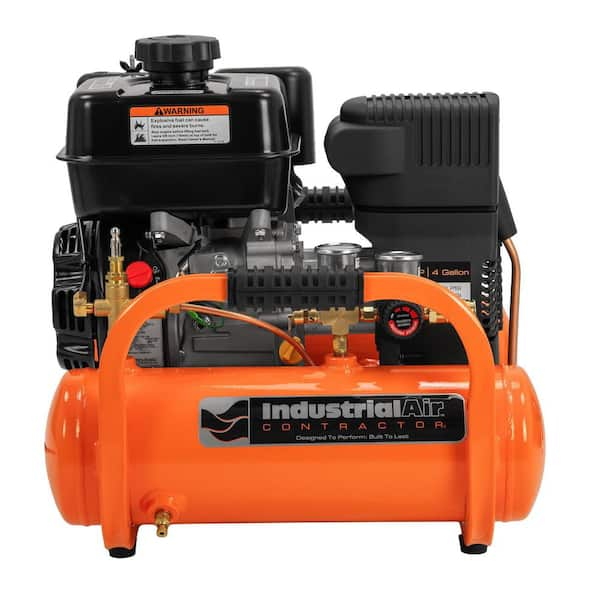
Credit: www.homedepot.com
The Heart Of The System: Compressor Pumps
Compressor pumps are essential in air gas systems. They transform mechanical energy into compressed air. This compressed air powers various tools and machinery. Understanding their design and maintenance can improve performance.
Design Innovations
Modern compressor pumps feature several innovative designs:
- Variable Speed Drives: Adjust speed for efficiency.
- Energy Recovery Systems: Reuse energy to reduce costs.
- Compact Designs: Save space while maintaining power.
These innovations enhance performance and reliability. They contribute to lower operational costs and increased productivity.
Maintenance For Longevity
Regular maintenance is crucial for compressor pump longevity. Follow these steps for optimal performance:
- Check oil levels monthly.
- Replace filters every 3-6 months.
- Inspect belts and hoses regularly.
- Clean external components to prevent dust buildup.
Adhering to a maintenance schedule can extend the life of your compressor pump. It also ensures consistent performance and reduces downtime.
| Maintenance Task | Frequency | Purpose |
|---|---|---|
| Check oil levels | Monthly | Prevent engine wear |
| Replace filters | Every 3-6 months | Maintain air quality |
| Inspect belts and hoses | Quarterly | Prevent leaks and failures |
| Clean external components | Monthly | Ensure proper airflow |
Control Systems And Automation
Control systems and automation play a vital role in air gas compressors. These systems enhance efficiency and reliability. Automation reduces human error, streamlining operations.
Precision In Operation
Precision is key in air gas compressor operations. Control systems ensure accurate pressure and flow rates. This leads to better performance and energy savings.
- Real-time monitoring: Tracks performance continuously.
- Automated adjustments: Modifies settings based on demand.
- Error detection: Alerts operators to potential issues.
These features help maintain optimal conditions. Precision reduces wear and tear on equipment. This extends the lifespan of compressors.
Integration With Iot
Integration with the Internet of Things (IoT) revolutionizes air gas compressors. IoT enables remote monitoring and control. This enhances operational efficiency significantly.
| Feature | Benefit |
|---|---|
| Remote access | Control from anywhere at any time. |
| Data analytics | Analyzes performance trends for better decisions. |
| Predictive maintenance | Prevents breakdowns by predicting failures. |
By leveraging IoT, companies gain valuable insights. This leads to improved decision-making and cost savings.
Importance Of Air Quality In Compressed Air Systems
The quality of air in compressed air systems is crucial. It affects performance and safety. Clean air ensures efficient operations and extends equipment life. Contaminated air can cause failures and increased costs.
Filtration Solutions
Effective filtration is key to maintaining air quality. It removes contaminants like dust, oil, and water. Several filtration solutions exist:
- Coalescing Filters: Remove oil and water droplets.
- Particulate Filters: Capture solid particles.
- Activated Carbon Filters: Absorb odors and vapors.
Choosing the right filtration solution is vital. It ensures clean air for various applications.
Monitoring Air Purity
Regular monitoring of air purity is essential. It helps detect contaminants early. Implementing a monitoring system offers these benefits:
- Improved Safety: Reduces risks of contamination.
- Cost Savings: Prevents equipment damage and downtime.
- Regulatory Compliance: Meets industry standards.
Using sensors and gauges can help track air quality. Regular checks keep systems running smoothly.
Energy Recovery Systems
Energy recovery systems in air gas compressors help save energy. They recycle waste heat for useful applications. This reduces overall energy costs. It also minimizes environmental impact. Companies can significantly boost efficiency.
Reusing Waste Heat
Waste heat from air gas compressors can be reused. This process is simple and effective. Here’s how it works:
- Heat generated during compression is captured.
- This heat can warm water or air.
- It can also be used for space heating.
By reusing heat, companies can:
- Reduce energy consumption.
- Lower operational costs.
- Decrease carbon footprint.
Examples Of Energy Recovery
Many industries use energy recovery systems. Here are some examples:
| Industry | Application | Benefits |
|---|---|---|
| Manufacturing | Heating water for processes | Lower energy costs |
| Food Processing | Space heating for facilities | Improved worker comfort |
| Textiles | Drying fabrics | Faster production times |
These examples highlight the versatility of energy recovery systems. Many companies enjoy benefits from efficient heat reuse.

Credit: sterlingfleetoutfitters.com
Future Trends In Air Gas Compressors
The future of air gas compressors is bright and exciting. Innovations drive efficiency, sustainability, and performance. Companies seek new solutions to meet growing demands. Emerging technologies will reshape the industry.
Advancements In Materials
New materials are changing the design of air gas compressors. These advancements lead to lighter and stronger components. Here are key benefits:
- Durability: Improved resistance to wear and tear.
- Weight Reduction: Lighter components enhance mobility.
- Corrosion Resistance: Longer lifespan in harsh environments.
Manufacturers are now using:
| Material | Benefit |
|---|---|
| Carbon Fiber | High strength-to-weight ratio |
| Aluminum Alloys | Lightweight and corrosion resistant |
| High-Performance Plastics | Reduced friction and maintenance costs |
Sustainability In Design
Environmental concerns shape the future of air gas compressors. Manufacturers focus on energy efficiency and reduced emissions. Key trends include:
- Use of renewable energy sources.
- Designs that minimize energy consumption.
- Recyclable and eco-friendly materials.
These sustainable practices lead to:
- Lower Operating Costs: Energy-efficient models save money.
- Reduced Carbon Footprint: Less impact on the planet.
- Regulatory Compliance: Meeting environmental standards easily.
Investing in sustainability will benefit both businesses and the environment.
Choosing The Right Air Gas Compressor
Choosing the right air gas compressor is crucial for efficiency. A suitable compressor meets your specific needs. Understanding key factors helps make an informed decision.
Factors To Consider
Several factors influence your choice of air gas compressor. Here are the main aspects to evaluate:
- Compressor Type: Choose between rotary screw, reciprocating, and centrifugal types.
- Pressure Requirements: Determine the PSI needed for your tasks.
- Flow Rate: Measure the CFM (Cubic Feet per Minute) for required performance.
- Power Source: Consider electric, gas, or diesel options based on your setup.
- Portability: Assess whether you need a stationary or portable model.
- Noise Level: Check the decibel rating for quiet operation.
- Maintenance: Look for models that offer easy maintenance options.
Comparing Brands And Models
When comparing brands and models, focus on reliability and features. Here’s a simple table to help:
| Brand | Model | PSI | CFM | Noise Level (dB) |
|---|---|---|---|---|
| Brand A | Model 1 | 150 | 10 | 75 |
| Brand B | Model 2 | 120 | 8 | 70 |
| Brand C | Model 3 | 130 | 12 | 80 |
Consider user reviews and warranty options. Research the long-term costs of ownership. This includes energy consumption and maintenance expenses.
Make a list of your top choices. Compare their specifications side by side. This will clarify which air gas compressor suits your needs best.

Credit: www.sunrise-metal.com
Installation And Safety Guidelines
Proper installation and safety practices ensure the effective operation of an air gas compressor. Follow these guidelines to maximize performance and safety.
Professional Setup
Hiring a professional for installation is crucial. They ensure optimal performance and safety. Here are key reasons to choose a professional:
- Expert knowledge of equipment
- Correct placement for airflow
- Proper electrical connections
- Minimized risk of damage
Before installation, professionals conduct a thorough site assessment. This helps identify:
- Available space
- Ventilation needs
- Power supply requirements
Compliance With Regulations
Regulations ensure safety and efficiency. Follow local and national guidelines. Key compliance points include:
| Regulation Type | Description |
|---|---|
| OSHA Standards | Ensure safe workplace conditions. |
| Environmental Regulations | Limit emissions and waste. |
| Electrical Codes | Ensure safe electrical installations. |
Regular inspections are vital. Schedule them to maintain compliance and safety. Keep records of inspections and maintenance. This ensures proper documentation.
Maintenance And Troubleshooting
Regular maintenance of your air gas compressor ensures smooth operation. Troubleshooting helps identify and fix problems quickly. This section covers essential routine checks and common issues.
Routine Checks
Perform these routine checks to keep your air gas compressor running efficiently:
- Check Oil Levels: Ensure the oil is at the correct level.
- Inspect Filters: Clean or replace air filters regularly.
- Tighten Connections: Ensure all bolts and screws are tight.
- Monitor Temperature: Keep an eye on the operating temperature.
- Check for Leaks: Look for air or oil leaks around connections.
Schedule these checks every month. Keeping a log helps track maintenance.
Dealing With Common Issues
Here are common issues and solutions:
| Issue | Possible Causes | Solutions |
|---|---|---|
| Low Pressure |
|
|
| Excessive Noise |
|
|
| Overheating |
|
|
Address these issues quickly to prevent further damage. Regular checks can help identify problems early.
Case Studies: Efficiency Improvements In Practice
Air gas compressors play a vital role in various industries. Their efficiency directly impacts productivity and costs. Here, we explore real-world case studies showcasing efficiency gains.
Industry-specific Applications
Different industries use air gas compressors for specific needs. Below are some examples:
- Manufacturing: Compressors power pneumatic tools. They improve assembly line speed.
- Food and Beverage: Compressors assist in packaging and bottling. They maintain hygiene standards.
- Healthcare: Compressors provide air for medical equipment. They ensure patient safety.
- Construction: Compressors drive heavy machinery. They enhance site productivity.
Each industry benefits from tailored compressor solutions. This leads to better performance and lower costs.
Cost-benefit Analyses
Understanding costs and benefits helps companies make informed decisions. Here’s a breakdown:
| Factor | Before Implementation | After Implementation |
|---|---|---|
| Energy Costs | $5,000/month | $3,500/month |
| Maintenance Costs | $1,200/month | $800/month |
| Output Efficiency | 75% | 90% |
Results show significant savings and increased efficiency. Companies often see a return on investment within months.
- Identify Needs: Assess specific requirements for your operations.
- Choose the Right Compressor: Select a compressor that fits your industry.
- Monitor Performance: Regularly check efficiency and costs.
- Adjust as Needed: Make changes to optimize performance.
These steps lead to better efficiency and lower costs. Real-world examples show that investing in air gas compressors pays off.
Conclusion: Maximizing Your Investment
Investing in an air gas compressor is a significant decision. Proper management enhances performance and longevity. Understanding best practices ensures you get the most value.
Best Practices
Implementing effective strategies can significantly boost compressor efficiency. Consider these best practices:
- Regular Maintenance: Schedule routine checks and services.
- Proper Operation: Follow manufacturer guidelines during use.
- Quality Filters: Use high-quality filters to prevent contaminants.
- Monitor Temperature: Keep an eye on operating temperatures.
- Leak Detection: Regularly check for air leaks.
Continuous Improvement And Upgrades
Upgrading your air gas compressor can lead to better performance. Look for ways to improve your system:
- Invest in Technology: New models offer advanced features.
- Energy Efficiency: Upgrade to more efficient units.
- Automation: Automate monitoring for better control.
- Training: Train staff on best practices and new features.
Regular upgrades keep your compressor efficient. Track performance data to identify areas for improvement.
| Upgrade Type | Benefits |
|---|---|
| Energy-Efficient Model | Reduces energy costs significantly. |
| Smart Controls | Enhances operational efficiency. |
| Quality Components | Increases lifespan and reliability. |
Maximizing your investment in an air gas compressor leads to long-term savings. Focus on best practices and continuous upgrades for optimal results.
Frequently Asked Questions
What Is An Air Gas Compressor?
An air gas compressor is a mechanical device that increases the pressure of air or gas. It works by reducing the volume of the gas, making it denser. These compressors are used in various applications, including industrial processes, HVAC systems, and powering pneumatic tools.
How Does An Air Gas Compressor Work?
Air gas compressors operate by drawing in air or gas and compressing it within a cylinder. The process involves reducing the volume, which increases the pressure. This pressurized gas is then stored or used immediately for various applications, such as powering machinery or inflating tires.
What Are The Types Of Air Gas Compressors?
There are several types of air gas compressors, including reciprocating, rotary screw, and centrifugal compressors. Each type serves different purposes and operates based on distinct principles. Understanding these types helps in selecting the right compressor for specific applications and efficiency needs.
What Are The Benefits Of Using Air Gas Compressors?
Using air gas compressors offers numerous benefits, including improved efficiency and increased productivity. They provide a reliable source of compressed air for various applications. Additionally, they can save energy costs and enhance operational safety in industrial environments.
Conclusion
Choosing the right air gas compressor can enhance efficiency and productivity. Consider factors like size, power, and application to make the best choice. Regular maintenance will ensure optimal performance and longevity. By understanding your needs, you can select a compressor that meets your specific requirements effectively.
Invest wisely for lasting results.