Air compressor pumps are essential components that convert power into potential energy stored in compressed air. They are used in various applications, from powering tools to inflating tires.
Air compressor pumps play a crucial role in many industries, providing reliable and efficient air pressure for various tasks. These pumps come in different types, such as reciprocating, rotary screw, and diaphragm, each serving specific needs. Understanding the function and application of each type can help you choose the right pump for your requirements.
Whether you need a compact model for home use or a heavy-duty pump for industrial applications, selecting the right air compressor pump ensures optimal performance and longevity. Exploring various features and specifications will help you make an informed decision for your air compression needs.

Credit: www.amazon.com
Introduction To Air Compressor Pumps
Air compressor pumps play a vital role in many industries. They convert power into potential energy stored as compressed air. This air is used for various applications, making these pumps essential equipment.
Core Functions
Air compressor pumps serve several core functions:
- Compression: They compress air to increase its pressure.
- Storage: They store compressed air for later use.
- Power Supply: They provide power for pneumatic tools.
- Efficiency: They enhance the efficiency of various processes.
Types And Uses
Different types of air compressor pumps exist, each with unique uses:
| Type | Description | Common Uses |
|---|---|---|
| Reciprocating | Uses a piston to compress air. | Automotive repairs, small workshops. |
| Rotary Screw | Uses two helical screws to compress air. | Industrial applications, continuous operation. |
| Centrifugal | Uses a rotating disk to compress air. | Large-scale operations, power plants. |
| Diaphragm | Uses a flexible diaphragm to compress air. | Laboratories, medical applications. |
Choosing the right type depends on specific needs. Understand your requirements to select the best air compressor pump.
Key Components
Understanding the key components of air compressor pumps is essential. These parts work together to ensure optimal performance. Each component plays a vital role in the compressor’s efficiency and durability.
Compression Chamber
The compression chamber is the heart of the air compressor. It is where air is compressed and stored. Key features include:
- Shape: Usually cylindrical or spherical.
- Material: Made from durable metals.
- Function: Increases air pressure.
Different types of compressors have various designs. The design impacts efficiency and performance. A well-designed chamber boosts overall effectiveness.
Drive Mechanism
The drive mechanism powers the compressor. It converts electrical energy into mechanical energy. Common types of drive mechanisms include:
| Type | Description |
|---|---|
| Direct Drive | Connects motor directly to the pump. |
| Belt Drive | Uses belts to transfer power from the motor. |
Each type has its benefits. Direct drive systems are compact. Belt drive systems offer better flexibility.
Cooling Systems
Cooling systems prevent overheating. They maintain optimal operating temperatures. Key types include:
- Air-Cooled: Uses ambient air for cooling.
- Water-Cooled: Uses water to dissipate heat.
Cooling systems improve efficiency and lifespan. Proper cooling reduces wear and tear. Choose a system based on your operating conditions.
Selecting The Right Compressor Pump
Choosing the correct air compressor pump is crucial. It impacts performance and efficiency. With many options available, understanding your needs is vital. This section covers essential factors to consider.
Assessing Requirements
Start by evaluating your specific needs. Consider the following:
- Air Flow Rate: Measure in CFM (Cubic Feet per Minute).
- Pressure Needs: Determine PSI (Pounds per Square Inch).
- Duty Cycle: Identify how long the pump runs.
- Portability: Decide if you need a stationary or portable unit.
Write down your requirements. This list helps narrow your options.
Comparing Technologies
Different compressor pump technologies exist. Here are the main types:
| Type | Description | Best For |
|---|---|---|
| Piston Pumps | Uses pistons to compress air. | Heavy-duty tasks. |
| Rotary Screw Pumps | Utilizes two interlocking screws. | Continuous operation. |
| Diaphragm Pumps | Uses a diaphragm to compress air. | Low-pressure applications. |
Each technology has strengths. Choose based on your specific tasks.
Energy Efficiency Strategies
Improving energy efficiency is crucial for air compressor pumps. Smart controls and variable speed drives help reduce energy costs. These strategies enhance performance while minimizing waste. Let’s explore these methods in detail.
Smart Controls
Smart controls optimize the operation of air compressor pumps. They use data to adjust settings automatically. Key benefits include:
- Real-time monitoring: Track performance continuously.
- Automated adjustments: Change settings based on demand.
- Remote access: Control systems from anywhere.
These features lead to:
- Reduced energy consumption.
- Longer equipment lifespan.
- Lower maintenance costs.
Smart controls help businesses save money and energy.
Variable Speed Drives
Variable speed drives (VSDs) adjust motor speed based on demand. This technology provides several advantages:
| Advantage | Description |
|---|---|
| Energy savings | Lower power consumption during low-demand periods. |
| Improved performance | Match output to actual needs. |
| Noise reduction | Quieter operation at lower speeds. |
Implementing VSDs can significantly enhance efficiency. Businesses experience lower energy bills and increased productivity.
Maintenance Best Practices
Proper maintenance of air compressor pumps ensures efficiency and longevity. Regular care helps prevent costly repairs and downtime. Follow these best practices for optimal performance.
Routine Check-ups
Performing routine check-ups is vital for air compressor pumps. Regular inspections can catch potential issues early. Here are key areas to focus on:
- Oil Levels: Check and change oil regularly.
- Air Filters: Clean or replace filters as needed.
- Belt Tension: Inspect and adjust belt tension.
- Cooling System: Ensure cooling fins are clean.
- Connections: Inspect hoses and fittings for leaks.
Set a schedule for these tasks. Keep a log of completed maintenance. This helps track performance over time.
Troubleshooting Common Issues
Identify and resolve common issues quickly. Understanding the signs helps maintain efficiency. Here are typical problems and solutions:
| Issue | Symptoms | Solution |
|---|---|---|
| Low Pressure | Poor performance, slow tools | Check for leaks and clean filters |
| Overheating | High temperature, unusual noise | Inspect cooling system, replace oil |
| Excessive Vibration | Unsteady operation, noise | Check for loose parts, tighten bolts |
Document all issues and repairs. This creates a maintenance history. Consult a professional for persistent problems.
Upgrading Air Compressor Systems
Upgrading air compressor systems can enhance efficiency and performance. It also reduces energy costs and improves productivity. Knowing when to upgrade is crucial for optimal operation.
When To Upgrade
Recognizing the right time for an upgrade can save money and time. Here are key signs to watch for:
- Frequent Breakdowns: Regular repairs indicate outdated equipment.
- Increased Energy Bills: Higher costs suggest inefficiency.
- Insufficient Air Supply: Inability to meet demands affects productivity.
- Noise Levels: Excessive noise can signal mechanical issues.
Each of these signs points to the need for an upgrade. Regular assessments can help identify these problems early.
Latest Innovations
Upgrading to the latest air compressor technologies offers many benefits. Innovations improve efficiency and reduce environmental impact. Here are some recent advancements:
| Innovation | Benefits |
|---|---|
| Variable Speed Drives | Adjusts power based on demand, saving energy. |
| Smart Controls | Monitor performance remotely and optimize settings. |
| Oil-Free Compressors | Reduces maintenance and improves air quality. |
| Integrated Refrigerant Dryers | Provides better moisture control, enhancing system life. |
Investing in these innovations can lead to significant long-term savings. Upgrading systems boosts productivity while protecting the environment.
Operational Tips For Peak Performance
Maximizing the performance of your air compressor pump is crucial. Proper care and management ensure efficiency and longevity. Follow these tips for optimal results.
Optimal Load Management
Load management is key for air compressor pumps. Maintain the right load to avoid wear and tear.
- Avoid Overloading: Too much load reduces pump life.
- Use Timers: Set timers to manage usage effectively.
- Regular Maintenance: Check filters and hoses often.
Consider the following table for load management strategies:
| Action | Frequency | Benefit |
|---|---|---|
| Inspect Equipment | Weekly | Prevents unexpected breakdowns |
| Clean Filters | Monthly | Improves air flow |
| Check Oil Levels | Every Use | Ensures smooth operation |
Temperature And Humidity Effects
Temperature and humidity impact air compressor performance. High humidity can lead to water buildup. This reduces efficiency.
- Monitor Temperature: Ideal range is 50°F to 90°F.
- Control Humidity: Use desiccant filters for moisture control.
- Keep Equipment Cool: Use fans or ventilation systems.
Follow these guidelines to maintain optimal performance:
- Check environment conditions regularly.
- Adjust settings based on temperature and humidity.
- Perform seasonal maintenance to ensure efficiency.
These operational tips help maintain peak performance. Regular monitoring and management lead to a long-lasting air compressor pump.
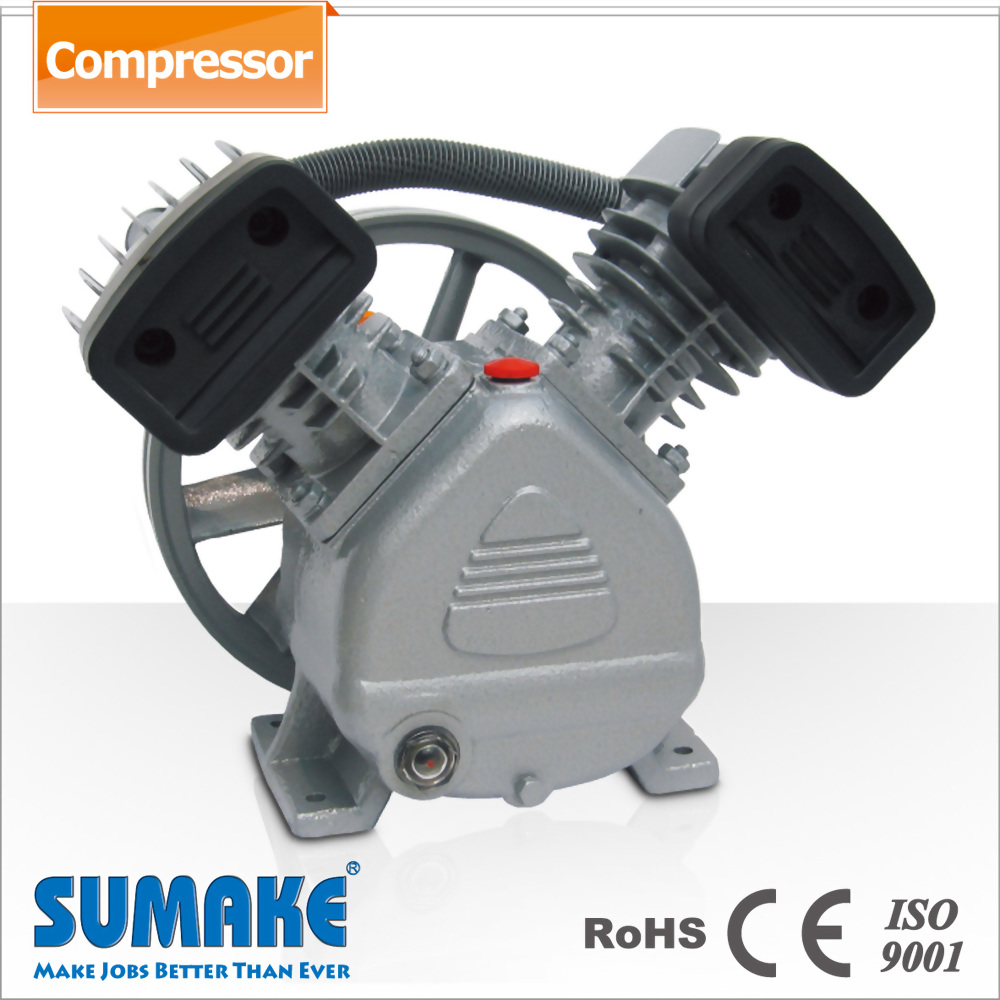
Credit: www.sumake.com
Cost-benefit Analysis
The cost-benefit analysis of air compressor pumps helps determine their value. Understanding costs and benefits aids in making informed choices. This analysis highlights potential savings and returns over time.
Calculating Return On Investment
Calculating the return on investment (ROI) is essential for air compressor pumps. ROI measures the profitability of your investment. Here’s how to calculate it:
- Determine the total cost of the air compressor.
- Estimate the expected lifespan of the pump.
- Calculate annual savings from using the pump.
- Use the formula: ROI = (Net Profit / Cost of Investment) x 100.
For example, if you spend $1,000 and save $300 annually:
| Item | Value |
|---|---|
| Total Cost | $1,000 |
| Annual Savings | $300 |
| Net Profit (over 5 years) | $1,500 |
| ROI | 150% |
Long-term Savings
Investing in air compressor pumps leads to long-term savings. Here are some benefits:
- Energy Efficiency: Modern pumps consume less energy.
- Reduced Maintenance: Quality pumps require less upkeep.
- Durability: Longer lifespan means less frequent replacements.
Consider the following savings over time:
| Year | Savings |
|---|---|
| 1 | $300 |
| 2 | $600 |
| 3 | $900 |
| 4 | $1,200 |
| 5 | $1,500 |
These savings add up significantly over five years. Investing wisely in air compressor pumps pays off in the long run.
Future Trends In Air Compressor Technology
The world of air compressor technology is evolving rapidly. New trends focus on efficiency, sustainability, and automation. Companies aim to create smarter, greener, and more reliable compressors. These advancements improve performance and reduce costs.
Eco-friendly Options
Environmental concerns drive the development of eco-friendly air compressors. These compressors use less energy and produce fewer emissions. Manufacturers prioritize sustainable materials and energy-efficient designs.
- Electric models: Use electricity instead of fuel.
- Solar-powered compressors: Harness solar energy for operation.
- Recyclable materials: Reduce waste in production.
Many companies now offer low-noise and vibration-free models. These innovations help reduce air pollution and noise levels. Eco-friendly options benefit both the environment and users.
Automation In Compression
Automation is transforming air compressor technology. Smart systems enhance operation and efficiency. These systems use sensors to monitor performance in real-time.
| Automation Feature | Description |
|---|---|
| Remote Monitoring | Access compressor data from anywhere. |
| Predictive Maintenance | Detect issues before they become problems. |
| Smart Controls | Adjust settings for optimal performance. |
Automation leads to cost savings and reduced downtime. Users can manage multiple units from a single interface. This trend supports smoother operations across industries.
Credit: www.werther.com
Frequently Asked Questions
What Are Air Compressor Pumps?
Air compressor pumps are devices that compress air for various applications. They increase air pressure to power tools, inflate tires, and operate machinery. These pumps can be powered by electricity, gasoline, or diesel. Understanding their types helps in choosing the right one for your needs.
How Do Air Compressor Pumps Work?
Air compressor pumps work by drawing in air and compressing it. The pump reduces the air volume, increasing its pressure. This compressed air is then stored in a tank for later use. Different types of pumps, like reciprocating or rotary screw, operate on distinct principles.
What Types Of Air Compressor Pumps Exist?
There are several types of air compressor pumps, including reciprocating, rotary screw, and scroll compressors. Each type has unique features and benefits. Reciprocating pumps are ideal for small tasks, while rotary screw pumps are efficient for continuous use. Choosing the right type depends on your specific requirements.
How Do I Maintain Air Compressor Pumps?
Maintaining air compressor pumps involves regular checks and servicing. Keep the air filter clean and change the oil as needed. Inspect hoses and connections for leaks. Regular maintenance ensures efficiency and prolongs the pump’s lifespan. Consult the user manual for specific maintenance guidelines.
Conclusion
Choosing the right air compressor pump is essential for optimal performance. Consider your specific needs, whether for home use or industrial applications. Quality pumps enhance efficiency and longevity. Investing in the right equipment can lead to significant savings and improved productivity.
Make an informed decision for your air compressor needs today.