An air compressor one-way valve allows air to flow in one direction, preventing backflow. This component is crucial for maintaining pressure and efficiency in air systems.
Air compressor one-way valves play a vital role in various pneumatic applications. They ensure that compressed air flows smoothly into the system while preventing any backflow that could disrupt pressure. These valves are commonly used in air compressors, pneumatic tools, and other machinery where maintaining a steady air supply is essential.
By blocking reverse airflow, they enhance system reliability and performance. Proper installation and maintenance of these valves can significantly improve the efficiency of air-operated equipment. Understanding their function helps users make informed choices for their air compressor systems, ensuring optimal performance and longevity.
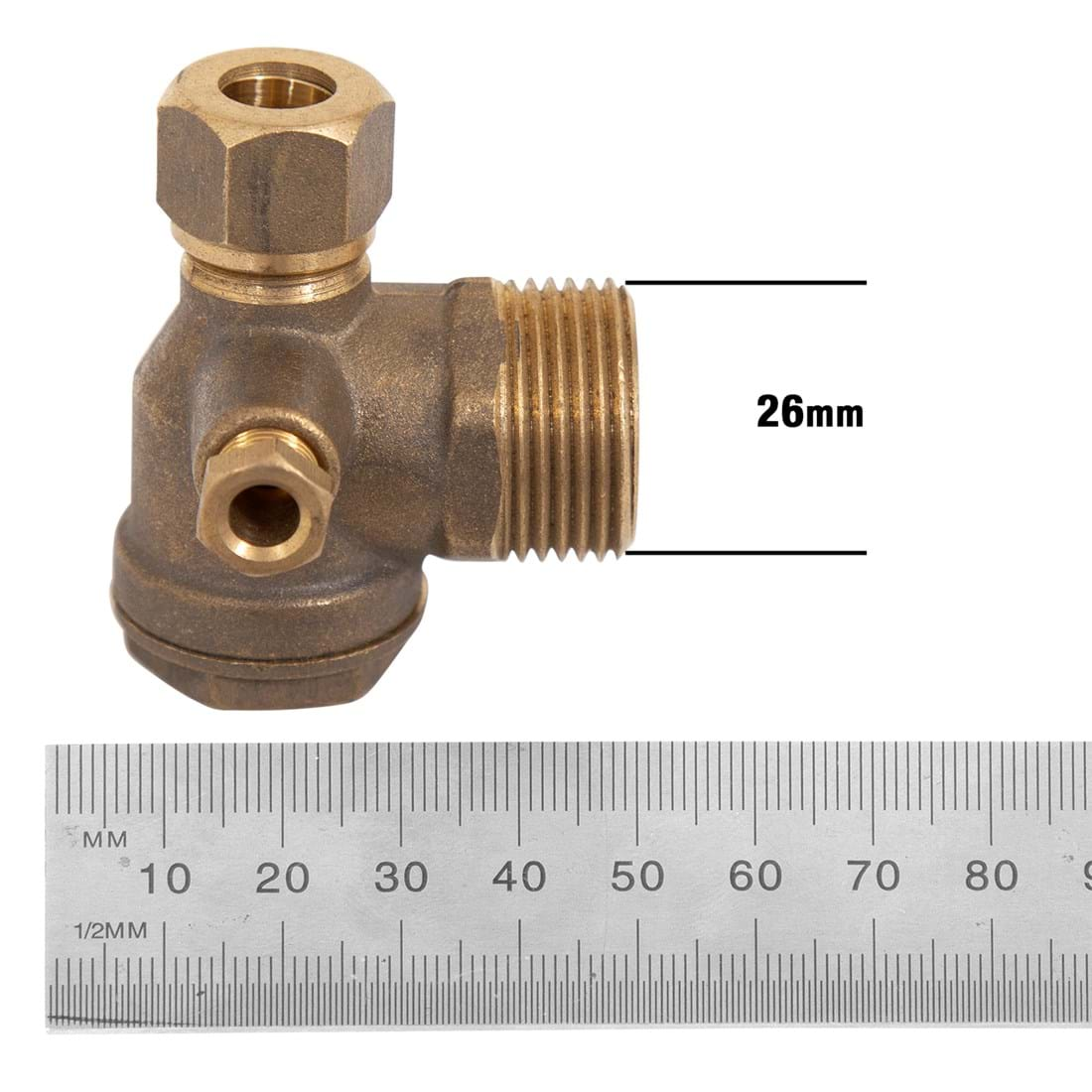
Credit: www.stanleyproducts.com.au
Introduction To Air Compressor One Way Valves
Air compressor one way valves play a vital role in compressed air systems. They ensure air flows in one direction. This simple mechanism helps maintain pressure and efficiency.
The Role In Compressed Air Systems
One way valves are essential components in air compressors. They prevent backflow, which can cause issues. Here are some key roles they perform:
- Maintaining Pressure: They keep air pressure stable.
- Protecting Equipment: They prevent damage from reverse airflow.
- Ensuring Safety: They reduce the risk of pressure build-up.
These valves come in various types. Each type serves specific applications. Understanding their role helps in choosing the right valve.
Benefits For Efficiency And Performance
Using one way valves improves efficiency in air compressors. Here are some benefits:
| Benefit | Description |
|---|---|
| Energy Savings | Reduced energy loss due to backflow. |
| Enhanced Performance | Maintains optimal pressure for better output. |
| Longer Lifespan | Protects compressor parts from wear and tear. |
One way valves also simplify maintenance. They require less frequent repairs. This leads to lower operational costs.
In summary, air compressor one way valves are crucial. They ensure smooth operation, enhance performance, and save energy.
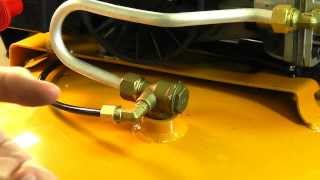
Credit: www.youtube.com
Working Principles Of One Way Valves
One way valves play a crucial role in air compressors. They allow air to flow in one direction only. This prevents backflow and maintains pressure. Understanding their working principles helps in choosing the right valve.
Valve Design And Operation
One way valves have a simple yet effective design. They typically consist of:
- Body: The main structure housing the components.
- Seat: The surface where the valve closes.
- Disc or Ball: The part that moves to allow or block flow.
When air flows in the correct direction, the disc moves away from the seat. This allows air to pass through. If air tries to flow back, the disc seals against the seat. This design prevents any reverse flow.
The Physics Behind Air Flow Direction Control
Understanding the physics helps explain how one way valves work. Here are some key concepts:
| Concept | Description |
|---|---|
| Pressure Differential | Difference in pressure allows air to push the disc. |
| Fluid Dynamics | Movement of air creates forces on the valve components. |
| Gravity | Can help close the valve in some designs. |
These concepts ensure that air flows smoothly in one direction. This design is essential for maintaining efficiency in air compressors.
Types Of One Way Valves
One way valves are essential for controlling airflow in air compressors. Each type of valve serves a unique purpose. Understanding these types helps in choosing the right one for your needs.
Spring-loaded Check Valves
Spring-loaded check valves are popular in air compressors. They use a spring mechanism to control airflow.
- Design: Simple and effective.
- Function: Prevents backflow by using a spring.
- Applications: Common in HVAC systems and industrial machines.
These valves ensure smooth airflow. They are easy to install and maintain.
Swing Check Valves
Swing check valves operate with a swinging disc. This disc moves to allow or block airflow.
- Design: Compact and lightweight.
- Function: Uses gravity to stop backflow.
- Applications: Suitable for larger pipes and high flow rates.
Swing check valves provide reliable performance. They are ideal for systems with fluctuating pressure.
Diaphragm Check Valves
Diaphragm check valves use a flexible diaphragm. This diaphragm opens and closes based on pressure differences.
- Design: Flexible and sensitive to pressure changes.
- Function: Blocks backflow effectively.
- Applications: Used in pumps and medical devices.
These valves are great for precise control. They ensure no leaks or backflow occurs.
Materials And Manufacturing
The materials used in an air compressor one way valve greatly impact its efficiency and lifespan. Manufacturing techniques also play a crucial role. Understanding these aspects helps in choosing the right valve for your needs.
Common Materials Used
Manufacturers select various materials for durability and performance. Here are the most common:
- Brass: Offers good corrosion resistance and strength.
- Aluminum: Lightweight and resistant to rust.
- Plastic: Cost-effective, but less durable than metals.
- Stainless Steel: Excellent for high-pressure applications.
| Material | Advantages | Disadvantages |
|---|---|---|
| Brass | Corrosion-resistant, strong | Heavier than aluminum |
| Aluminum | Lightweight, rust-resistant | Less durable than brass |
| Plastic | Cost-effective, lightweight | Lower durability |
| Stainless Steel | High pressure resistance | More expensive |
Factors Affecting Durability And Performance
Several factors influence the durability and performance of a one way valve:
- Temperature: Extreme heat or cold can weaken materials.
- Pressure: High pressure can cause material fatigue.
- Corrosion: Exposure to moisture and chemicals can degrade materials.
- Wear and Tear: Frequent use affects overall performance.
Choosing the right materials and understanding manufacturing processes can lead to better performance. This knowledge helps in making informed decisions for your air compressor setup.
Installation Best Practices
Installing an Air Compressor One Way Valve correctly is crucial. Proper installation ensures optimal performance and longevity. Follow these best practices to avoid common mistakes.
Pre-installation Considerations
- Compatibility: Ensure the valve fits your air compressor model.
- Location: Choose a dry, accessible spot for installation.
- Tools: Gather necessary tools like wrenches, pliers, and seals.
- Safety Gear: Wear goggles and gloves to protect yourself.
Step-by-step Installation Guide
- Turn Off the Compressor: Always shut down the unit first.
- Release Air Pressure: Open the drain valve to release any pressure.
- Remove Existing Valve: Use appropriate tools to detach the old valve.
- Clean the Area: Remove debris or old sealant from the threads.
- Apply Teflon Tape: Wrap Teflon tape around the threads of the new valve.
- Install the New Valve: Screw it in tightly, but avoid over-tightening.
- Check Alignment: Ensure the valve aligns correctly with the air flow.
- Reconnect Power: Plug the compressor back in and turn it on.
- Test for Leaks: Check for any air leaks around the valve.
Following these steps will help you install your One Way Valve effectively. Proper installation prevents air loss and improves performance.
Maintenance And Troubleshooting
Proper maintenance of your air compressor’s one-way valve is crucial. Regular checks can prevent future issues. Troubleshooting helps identify problems quickly. This section covers routine maintenance tips and how to diagnose common issues.
Routine Maintenance Tips
- Inspect the Valve Regularly: Check for wear and tear.
- Clean the Valve: Remove dirt and debris often.
- Check Seals: Ensure seals are intact and not leaking.
- Lubricate Moving Parts: Use appropriate lubricant as needed.
- Monitor Pressure Levels: Keep an eye on pressure readings.
Diagnosing Common Issues
Identifying problems early can save time and money. Here are common issues with their symptoms and solutions:
| Issue | Symptoms | Solution |
|---|---|---|
| Air Leakage | Loss of pressure, hissing sound | Check seals and tighten connections |
| Valve Sticking | Inconsistent air flow | Clean and lubricate the valve |
| Low Pressure | Poor performance, slow inflation | Inspect for blockages or leaks |
| Excessive Noise | Unusual sounds during operation | Check for loose parts or damage |
Improving Air Compressor Efficiency
Enhancing the efficiency of air compressors is essential. A well-functioning system saves energy and reduces costs. One key component is the one way valve. This valve ensures proper airflow in the compressor. By optimizing its use, you can significantly boost performance.
Optimizing One Way Valve Usage
Proper use of the one way valve can improve efficiency. Here are some tips:
- Choose the right size for your compressor.
- Regularly inspect the valve for wear and tear.
- Ensure a tight seal to prevent air leaks.
- Install the valve in the correct direction.
Consider these factors:
| Factor | Impact on Efficiency |
|---|---|
| Size | Correct size maximizes airflow |
| Condition | Worn valves reduce efficiency |
| Installation | Improper installation leads to leaks |
Complementary Efficiency Enhancements
Other improvements can complement the one way valve. Here are some effective enhancements:
- Regular maintenance checks.
- Using high-quality filters.
- Monitoring pressure levels.
- Reducing moisture in the system.
Implementing these strategies can lead to:
- Lower energy consumption
- Longer equipment lifespan
- Better overall performance
Focus on these aspects to enhance your air compressor’s efficiency.

Credit: jfmco.com
Case Studies And Real-world Applications
The one-way valve in air compressors plays a crucial role. It ensures air flows in the right direction. This section showcases real-world examples. These case studies highlight the valve’s impact on various industries.
Industrial Success Stories
Many industries have benefited from using one-way valves. Here are some success stories:
- Automotive Industry: A major car manufacturer improved efficiency. They installed a one-way valve in their paint booth. This reduced air wastage by 30%.
- Food Processing: A food plant enhanced safety. The one-way valve prevented backflow in critical areas. This kept products safe and fresh.
- Construction: A construction company increased productivity. The one-way valve helped maintain air pressure. Workers completed tasks faster.
Innovations In Valve Technology
Recent innovations have transformed one-way valve design. These advancements improve performance and durability.
| Innovation | Description | Benefits |
|---|---|---|
| Smart Valves | Integrates sensors for real-time monitoring. | Enhances control and reduces downtime. |
| Eco-Friendly Materials | Uses sustainable materials in production. | Reduces environmental impact. |
| Modular Designs | Allows easy upgrades and repairs. | Saves time and costs in maintenance. |
Future Of One Way Valves In Air Compressors
The future of one way valves in air compressors looks bright. These components are crucial for efficient air flow. Innovations in this area promise to enhance performance and durability.
Emerging Technologies
New technologies are transforming one way valves. Here are some key trends:
- Smart Valves: Sensors monitor valve performance in real-time.
- 3D Printing: Custom designs improve efficiency and reduce waste.
- Advanced Materials: Lightweight composites enhance durability.
These advancements lead to better performance and longer life for air compressors.
Predictions For Efficiency And Sustainability
Experts predict major improvements in efficiency. Future one way valves will:
- Reduce energy consumption by up to 20%.
- Extend lifespan with better materials.
- Support eco-friendly practices in manufacturing.
These changes will make air compressors more sustainable. Businesses will benefit from lower operational costs. Consumers will enjoy quieter and more reliable machines.
| Aspect | Current Status | Future Prediction |
|---|---|---|
| Energy Efficiency | Standard | Up to 20% reduction |
| Material Durability | Moderate | Enhanced with composites |
| Noise Levels | High | Significantly reduced |
Investing in these technologies will shape the future of air compressors.
Frequently Asked Questions
What Is An Air Compressor One Way Valve?
An air compressor one way valve, also known as a check valve, ensures air flows in one direction only. This prevents backflow, maintaining pressure in the system. It is crucial for efficient operation and protects the compressor from potential damage.
How Does A One Way Valve Work In Compressors?
A one way valve operates by allowing air to pass through in one direction while blocking reverse flow. When the compressor operates, air pushes against the valve, opening it. When the compressor stops, the valve closes, preventing backflow and maintaining system integrity.
Why Is A One Way Valve Important For Compressors?
A one way valve is essential for maintaining consistent air pressure in the system. It prevents air from escaping back into the compressor, which can lead to inefficiencies. This component helps prolong the life of the compressor and enhances overall performance.
What Are The Signs Of A Faulty One Way Valve?
Common signs of a faulty one way valve include air leaks and inconsistent pressure. You may also notice decreased efficiency and increased energy consumption. If these issues arise, it’s crucial to inspect and replace the valve to avoid further complications.
Conclusion
Choosing the right air compressor one-way valve is crucial for optimal performance. It ensures efficient airflow and prevents backflow. Understanding the various types helps in making an informed decision. Invest in quality components to enhance your compressor’s lifespan. A reliable valve can significantly improve your air compression tasks.