An air compressor powers a nail gun, supplying the compressed air needed for operation. Together, they streamline construction and woodworking tasks, enhancing efficiency.
Air compressors and nail guns are essential tools in various construction and DIY projects. An air compressor compresses air and stores it for later use, while a nail gun drives nails into materials, speeding up assembly tasks. This combination significantly reduces manual labor and time spent on projects.
Both tools come in various sizes and capacities, catering to different needs. Choosing the right air compressor and nail gun ensures optimal performance and results. Understanding their functions and compatibility can lead to more successful outcomes in home improvement or professional construction. This guide explores how to select and use these tools effectively for your projects.
The Power Couple Of Diy Projects
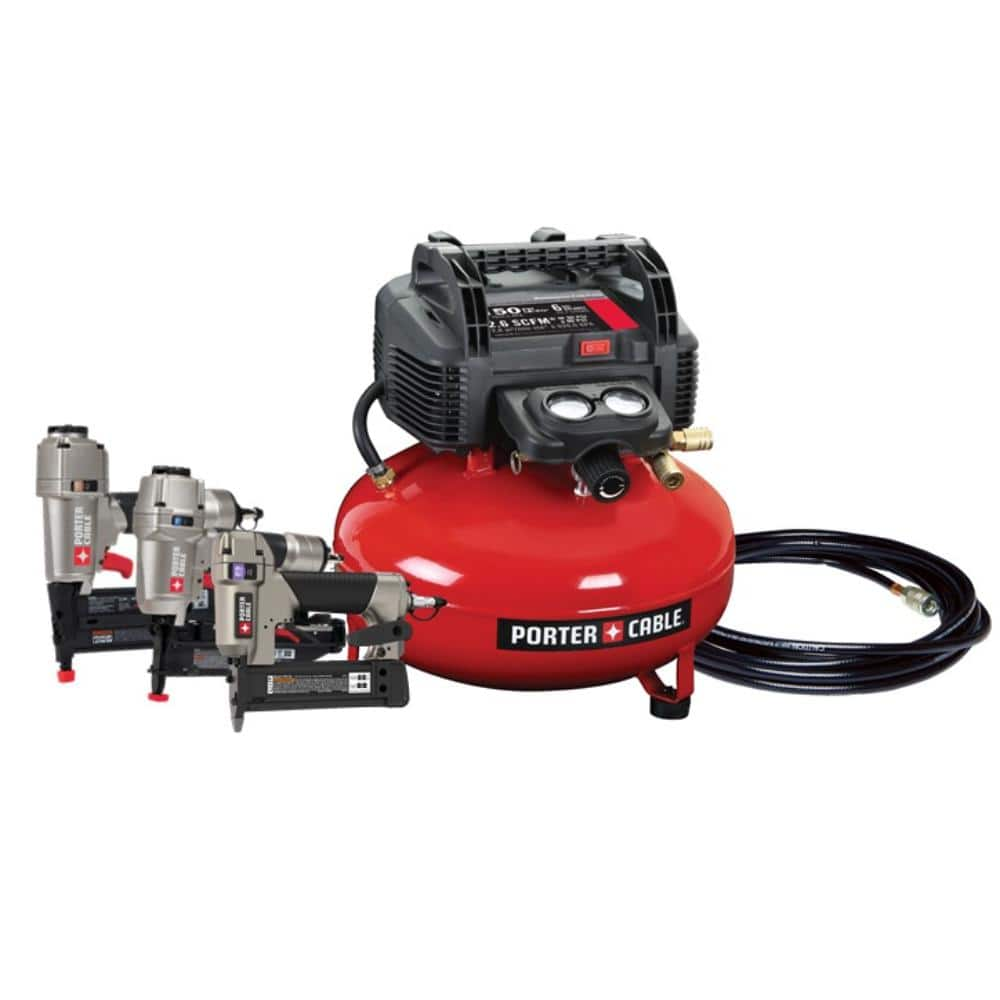
The combination of an air compressor and a nail gun is unbeatable. Together, they make DIY projects quicker and easier. This duo is essential for both beginners and seasoned pros.
Why Air Compressors And Nail Guns Are A Perfect Match
Air compressors and nail guns work perfectly together. Here’s why:
- Speed: Nail guns shoot nails quickly. Air compressors provide the power.
- Efficiency: Complete tasks faster than manual tools.
- Precision: Nail guns ensure accurate placements. This reduces mistakes.
- Versatility: Use for various projects like framing, roofing, and trim work.
Essential For Time-efficient Work
Using an air compressor with a nail gun saves time. Here are some benefits:
- Quick Setup: Easy to connect and use.
- Less Fatigue: Less physical effort than using a hammer.
- Fewer Breaks: Work continuously without stopping.
- Improved Quality: Consistent nail depth and placement.
Investing in this power couple enhances your DIY experience.
Credit: www.homedepot.com
Choosing The Right Air Compressor
Selecting the right air compressor for your nail gun is crucial. The right choice impacts performance, efficiency, and the quality of your work. Consider tank size, portability, and PSI and CFM requirements.
Tank Size And Portability
The tank size of an air compressor affects its capacity and how long it can run. Larger tanks store more air but can be heavy. Smaller tanks are light but run out of air quickly.
- Small tanks: Ideal for quick jobs. Easy to carry.
- Medium tanks: Good balance. Suitable for most home projects.
- Large tanks: Best for long-term use. Heavy and stationary.
Consider portability. Will you move the compressor often? Choose a lightweight option with wheels. This makes transportation easier.
Understanding Psi And Cfm Requirements
PSI (Pounds per Square Inch) measures air pressure. CFM (Cubic Feet per Minute) measures air flow. Both are vital for nail guns.
| Nail Gun Type | Minimum PSI | Minimum CFM |
|---|---|---|
| Brad Nailer | 70-90 PSI | 1.5-2 CFM |
| Finish Nailer | 70-100 PSI | 2-3 CFM |
| Framing Nailer | 80-120 PSI | 2.5-4 CFM |
Choose an air compressor that meets or exceeds these requirements. This ensures smooth operation and prevents air shortages. Always check your nail gun manual for specific PSI and CFM needs.
Types Of Nail Guns
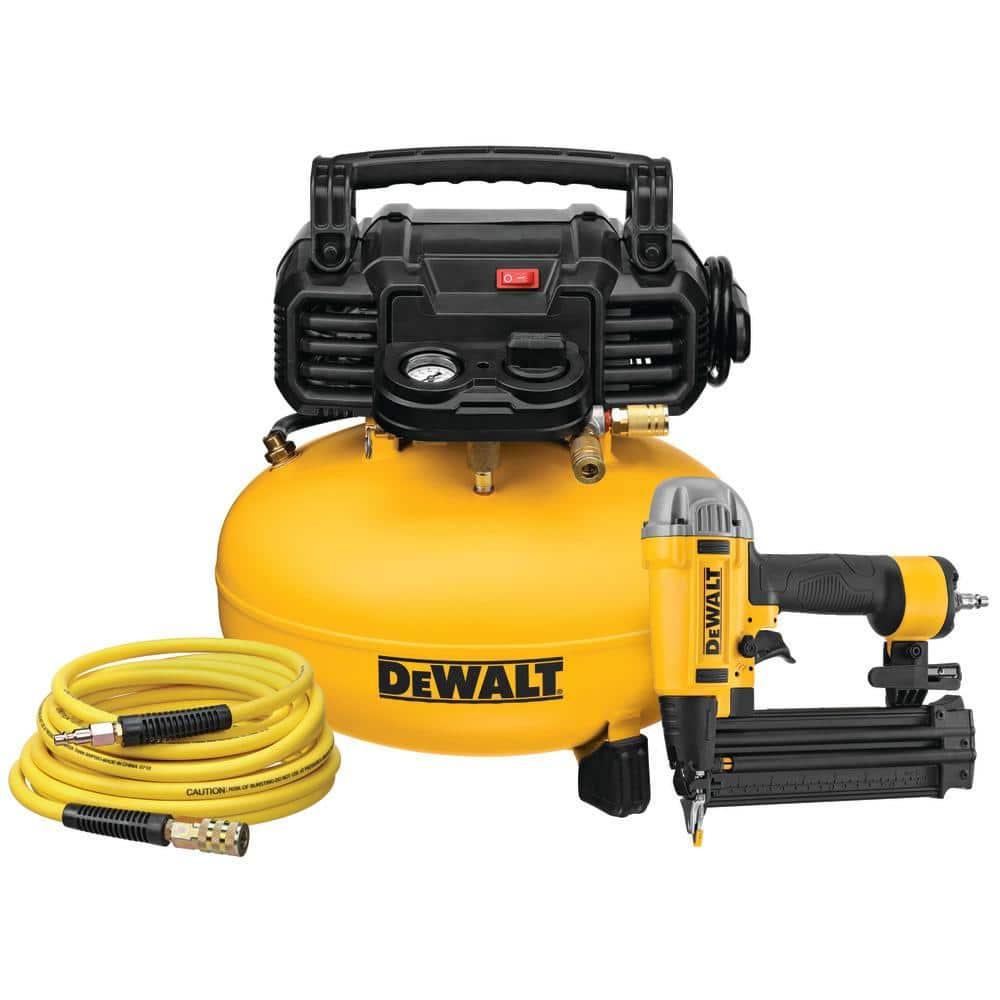
Nail guns are essential tools for construction and DIY projects. They speed up tasks and improve precision. Various types of nail guns suit different needs. Here, we explore the main types: framing nailers, finish nailers, and brad nailers.
Framing Nailers
Framing nailers are powerful tools for heavy-duty jobs. They drive large nails into wood. Here are some key features:
- Use for building frameworks.
- Ideal for decks and walls.
- Can handle thick materials.
Framing nailers come in two types:
- Gas-powered: Uses fuel cells for power.
- Pneumatic: Requires an air compressor.
Choose framing nailers for tough construction tasks.
Finish Nailers
Finish nailers are perfect for detailed work. They use smaller nails for a clean finish. Common uses include:
- Installing trim and molding.
- Cabinet assembly.
- Furniture building.
Key features include:
| Feature | Description |
|---|---|
| Nail Size | Typically 15 to 16 gauge. |
| Depth Adjustment | Allows precise nail depth. |
| Lightweight | Easy to handle for long periods. |
Finish nailers provide a smooth finish for your projects.
Brad Nailers
Brad nailers are the smallest type of nail gun. They use very thin nails, known as brads. Key points include:
- Perfect for delicate work.
- Great for attaching thin materials.
- Minimizes wood splitting.
Brad nailers are often used for:
- Craft projects.
- Small furniture repairs.
- General woodworking.
These tools are ideal for hobbyists and crafters.
Credit: www.homedepot.com
Safety First
Using an air compressor and nail gun can be risky. Proper safety measures protect you from injuries. Always prioritize safety to ensure a smooth project.
Proper Usage Of Nail Guns
Nail guns can be powerful tools. Follow these guidelines for safe usage:
- Wear Safety Gear: Use goggles and ear protection.
- Check the Tool: Inspect the nail gun before use.
- Keep Fingers Clear: Avoid placing fingers in the firing area.
- Use Proper Technique: Always aim nail guns away from yourself.
- Don’t Override Safety Features: Never disable safety mechanisms.
Storing nail guns properly prevents accidents. Always keep them out of reach of children.
Air Compressor Maintenance And Care
Regular maintenance extends the life of your air compressor. Follow these simple tips:
- Drain the Tank: Remove moisture after each use.
- Check Hoses: Inspect for cracks or leaks regularly.
- Clean Filters: Keep filters clean for better performance.
- Check Oil Levels: Maintain proper oil levels if applicable.
- Store Properly: Keep the compressor in a dry place.
A well-maintained air compressor works efficiently. This reduces the risk of malfunctions.
Setting Up Your Equipment
Setting up your air compressor and nail gun is crucial for efficient work. Proper setup ensures safety and effectiveness. Follow these steps to connect and adjust your equipment correctly.
Connecting The Nail Gun To The Compressor
Connecting your nail gun to the compressor is straightforward. Follow these steps:
- Turn off the air compressor.
- Locate the air hose fitting on the nail gun.
- Attach the air hose from the compressor to the nail gun.
- Ensure the connection is tight to avoid leaks.
Check the hose for any damage. Replace any damaged sections before use.
Adjusting Pressure Settings
Adjusting the pressure settings is essential for optimal performance. Here’s how to do it:
- Turn on the air compressor.
- Check the recommended pressure for your nail gun. It’s usually on the tool or in the manual.
- Use the pressure regulator on the compressor to adjust the settings.
- Set the pressure within the recommended range.
Monitor the gauge to ensure accurate settings. Proper pressure prevents misfires and jams.
Mastering The Technique
Mastering the technique of using an air compressor and nail gun can transform your projects. Proper use enhances efficiency and ensures quality results. This section covers essential tips for precision and common mistakes to avoid.
Achieving Precision In Nailing
Precision is key to achieving a flawless finish. Follow these tips for better results:
- Use the Right Nail Size: Choose nails that suit your project.
- Adjust Air Pressure: Set the correct pressure for your nail gun.
- Hold Steady: Keep the nail gun steady while firing.
- Practice: Test on scrap wood before the final project.
Consider this table for nail sizes and suitable applications:
| Nail Size | Application |
|---|---|
| 16 Gauge | Framing and decking |
| 18 Gauge | Crown molding and trim |
| 23 Gauge | Fine woodworking |
Avoiding Common Mistakes
Many users face issues due to common mistakes. Here are some to avoid:
- Incorrect Nail Depth: Nails should be flush with the surface.
- Skipping Safety Gear: Always wear eye protection.
- Neglecting Maintenance: Regularly check your air compressor and nail gun.
- Overloading the Gun: Follow the manufacturer’s guidelines.
Staying aware of these mistakes will help ensure a successful project. Master these techniques for a better experience with your air compressor and nail gun.
Projects To Tackle With Your Diy Duo
Your air compressor and nail gun can transform any project. They make tasks quicker and easier. Here are two exciting projects to consider.
Building A Deck
Building a deck adds value to your home. It creates a perfect space for relaxation. Follow these steps to get started:
- Gather materials: wood, screws, and your DIY tools.
- Prepare the area by clearing debris.
- Use the air compressor to power your nail gun.
- Start with the frame and secure it with nails.
- Add the decking boards for a finished look.
Benefits of using an air compressor and nail gun:
- Fast installation of nails.
- Consistent pressure for better results.
- Less fatigue compared to manual methods.
Creating Custom Furniture
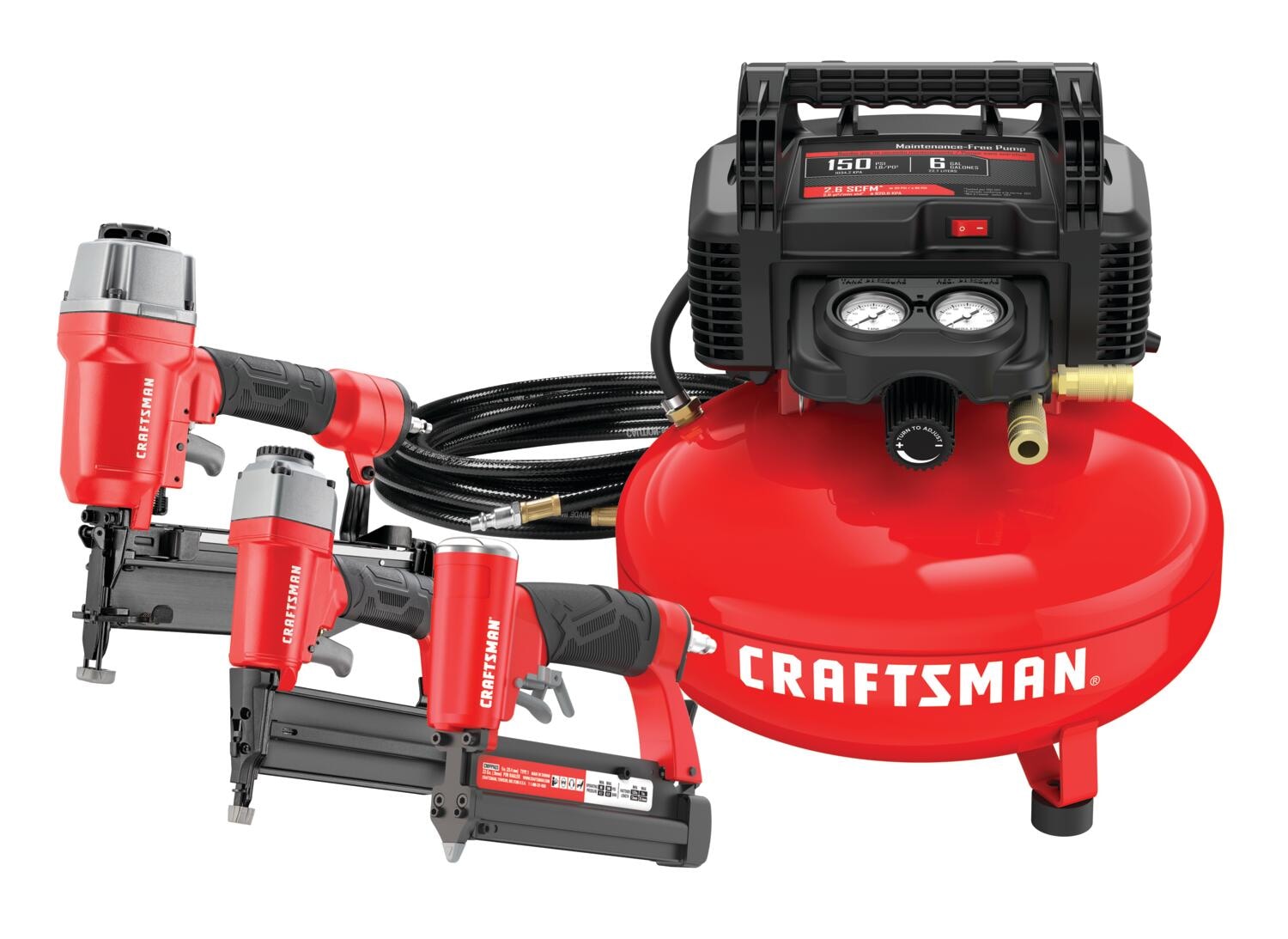
Custom furniture adds a personal touch to your space. With your air compressor and nail gun, you can build:
- Tables
- Chairs
- Shelves
Steps to create your furniture:
- Choose your design and materials.
- Measure and cut your wood accurately.
- Use the nail gun to assemble pieces.
- Finish with paint or stain for a polished look.
Advantages of this approach:
| Advantage | Description |
|---|---|
| Speed | Assemble furniture in a fraction of the time. |
| Precision | Ensure accurate and secure joints. |
| Durability | Use strong fasteners for long-lasting results. |
Credit: www.lowes.com
Troubleshooting Common Issues
Air compressors and nail guns can face problems during use. Knowing how to troubleshoot can save time and frustration. Here, we focus on two common issues: jams and air leaks.
Dealing With Jams
Nail guns may jam for various reasons. Understanding how to fix jams is essential.
- Check for the correct nail size.
- Inspect the magazine for dirt or debris.
- Ensure nails are loaded properly.
Follow these steps to clear a jam:
- Turn off the nail gun.
- Disconnect the air supply.
- Remove the jammed nail carefully.
- Reassemble the magazine.
- Reconnect the air supply.
Test the nail gun to ensure it works smoothly.
Addressing Air Leaks
Air leaks can hinder performance. Identifying and fixing leaks is crucial for efficiency.
Common signs of air leaks include:
- Reduced power in the nail gun.
- Unusual hissing sounds.
- Increased air compressor cycling.
To locate and fix air leaks:
- Inspect all hoses and connections.
- Check for cracks or wear.
- Use soapy water to find leaks.
- Seal leaks with tape or replace parts.
Regular maintenance prevents air leaks. Keep your equipment in top shape.
Enhancing Your Diy Experience
Using an air compressor and a nail gun can transform your DIY projects. These tools save time and effort. They provide precision and speed, making tasks easier. Whether you’re building furniture or doing repairs, these tools enhance your experience.
Accessorizing Your Setup
Enhance your air compressor and nail gun setup with the right accessories. Accessories improve functionality and comfort. Here are essential accessories:
- Air Hose: Choose a durable hose for better airflow.
- Nail Gun Safety Gear: Use goggles and gloves for protection.
- Compressor Filter: Keeps dust and debris out of your tools.
- Extension Cords: Ensure you have enough reach for your projects.
Consider these benefits of accessorizing:
| Accessory | Benefit |
|---|---|
| Air Hose | Improves airflow for efficiency |
| Nail Gun Safety Gear | Protects from accidents |
| Compressor Filter | Extends tool lifespan |
| Extension Cords | Increases workspace flexibility |
Joining A Community Of Diy Enthusiasts
Becoming part of a DIY community enhances your experience. You gain support, ideas, and motivation. Many platforms exist for sharing your projects:
- Online Forums: Share tips and tricks.
- Social Media Groups: Connect with fellow DIYers.
- Local Workshops: Learn new skills and techniques.
- YouTube Channels: Find tutorials and inspiration.
Benefits of joining a community include:
- Access to expert advice.
- Sharing your creations.
- Learning from others’ experiences.
- Staying updated on trends and tools.
Frequently Asked Questions
What Is An Air Compressor Used For?
An air compressor is a versatile tool. It stores and compresses air, providing power for various equipment. Common uses include inflating tires, powering nail guns, and operating pneumatic tools. It’s essential for DIY projects, woodworking, and construction tasks, making it a valuable addition to any toolkit.
How Does A Nail Gun Work?
A nail gun uses compressed air to drive nails. It features a mechanism that releases a burst of air, pushing the nail into the material. This process is faster and more efficient than manual nailing. Nail guns are often used in construction and carpentry for quick fastening.
Can I Use Any Air Compressor With A Nail Gun?
Not all air compressors are compatible with nail guns. You need a compressor that meets the nail gun’s specific pressure and flow requirements. Most nail guns require at least 70-100 PSI. Always check the manufacturer’s specifications to ensure proper compatibility and avoid damaging your tools.
What Size Air Compressor Do I Need For A Nail Gun?
The size of the air compressor depends on your nail gun’s requirements. Typically, a compressor with a 2-6 gallon tank is sufficient for most nail guns. Look for one that delivers at least 2. 0 CFM at 90 PSI. This ensures you have enough power for continuous use without interruptions.
Conclusion
Using an air compressor and nail gun together can significantly boost your efficiency. They streamline tasks, making projects quicker and easier. Understanding their compatibility is key for optimal performance. Invest in quality tools to ensure durability and effectiveness. Embrace these innovations for a professional finish in your woodworking or construction endeavors.